
Image source: blogger.googleusercontent.com
NetNut Proxy Network Disrupted
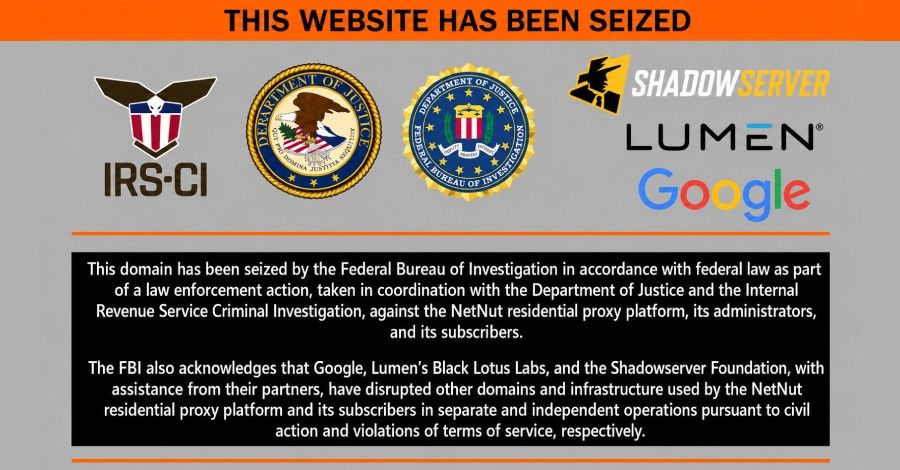
Google, in collaboration with the FBI, Lumen, and others, has successfully disrupted NetNut, a significant residential proxy network that leverages home devices as rented relays for third-party traffic. The network, also known as Popa, spans across various home devices globally, including smart TVs and streaming boxes, with an estimated 2 million devices under its control.
Threat Posed by Residential Proxy Networks
Residential proxy networks like NetNut enable attackers to route their traffic through unsuspecting users' internet connections, masking their activities as ordinary home browsing. This tactic allows them to bypass security tools that typically block datacenter traffic. Once a device is compromised, it becomes an 'exit node,' providing attackers access to other devices on the same network.
Risks and Impact on Cybersecurity
The disruption of NetNut sheds light on the dangers posed by proxy networks, as they have been utilized by cybercriminal and espionage groups to conceal their origins and execute malicious activities, including password-guessing attacks. Additionally, compromised devices can unknowingly become part of large-scale botnets, amplifying the threat landscape.
Challenges in Addressing Proxy Networks
Google's efforts to dismantle NetNut highlight the complexities involved in combating such networks. NetNut's reseller program, where multiple brands sell its network under different names, adds layers of difficulty to takedown operations. While disrupting individual networks is a step forward, sustained impact requires coordinated actions against interlinked providers to prevent resurfacing under new guises.
Future Strategies and Vigilance
As the battle against proxy networks continues, vigilance is crucial for identifying emerging threats and ensuring that dismantled networks do not reappear under different disguises. Stakeholders must remain proactive in implementing robust cybersecurity measures to safeguard against the evolving tactics of threat actors exploiting home devices and networks.
Based on reporting from thehackernews.com