

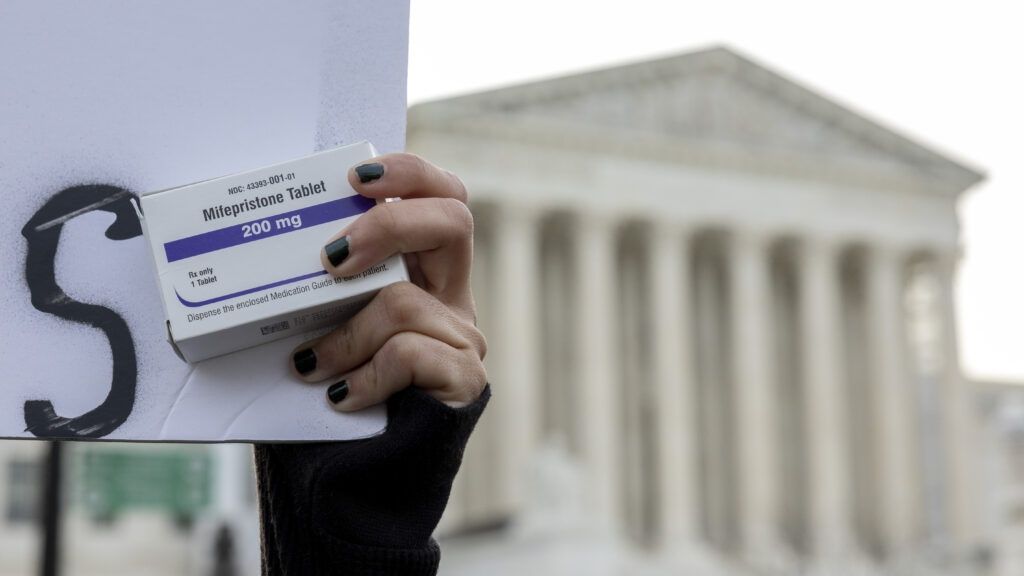
Mifepristone at 25: How a Controversial Pill Transformed Reproductive Healthcare

📷 Image source: statnews.com
The Quiet Revolution in Women's Healthcare
Twenty-five years after FDA approval, mifepristone's impact continues to reshape reproductive rights
When the U.S. Food and Drug Administration approved mifepristone on September 28, 2000, few could have predicted how profoundly this single medication would alter the landscape of reproductive healthcare. According to statnews.com, this approval marked the first time American women could legally terminate early pregnancies using medication rather than surgical procedures. The drug's 25th anniversary arrives amid ongoing legal battles and political controversies, yet its medical significance remains undeniable.
What makes mifepristone so revolutionary? Unlike surgical abortions that require clinic visits and medical procedures, this medication offers privacy and autonomy. Patients can complete the process in their homes, supported by telehealth consultations and mail-order pharmacies. This fundamental shift in delivery method has proven particularly crucial during pandemic lockdowns and for women in rural areas with limited access to clinics.
The Science Behind Medication Abortion
Understanding how mifepristone works with misoprostol to terminate early pregnancies
Mifepristone operates through a sophisticated biological mechanism. The drug blocks progesterone, a hormone essential for maintaining pregnancy. Without progesterone, the uterine lining breaks down, and the pregnancy cannot continue. According to medical experts cited by statnews.com, patients typically take mifepristone first, followed by misoprostol 24 to 48 hours later.
Misoprostol causes uterine contractions that expel pregnancy tissue. This two-drug regimen has demonstrated remarkable effectiveness, with success rates exceeding 95% for pregnancies up to 10 weeks gestation. The treatment's safety profile is equally impressive—serious complications occur in less than 0.5% of cases, making it statistically safer than many common medications and certainly safer than continuing a pregnancy to term.
Evolution of Access and Regulations
From strict controls to expanded telehealth options
The regulatory journey of mifepristone reflects America's complex relationship with reproductive rights. Initially, the FDA imposed strict Risk Evaluation and Mitigation Strategy (REMS) requirements that mandated in-person dispensing and multiple clinic visits. These restrictions created significant barriers, particularly for low-income women and those in healthcare deserts.
Over time, evidence accumulated showing these restrictions were medically unnecessary. During the COVID-19 pandemic, temporary suspensions of in-person requirements demonstrated that telehealth provision was equally safe and effective. According to statnews.com reporting, the FDA permanently lifted the in-person dispensing requirement in 2021, though some state-level restrictions remain in place. This regulatory evolution has expanded access while maintaining safety standards.
Political and Legal Battles
Court challenges and state restrictions continue despite medical consensus
Mifepristone's history is inextricably linked with America's political divisions. Anti-abortion groups have filed numerous lawsuits challenging the drug's approval and accessibility. The most significant recent case reached the Supreme Court, which ultimately preserved access but left room for future challenges.
State-level restrictions create a patchwork of accessibility. According to statnews.com, nineteen states have implemented laws specifically limiting medication abortion beyond FDA requirements. Some mandate unnecessary ultrasounds, forced waiting periods, or prohibit telehealth prescriptions entirely. These regulations often contradict medical evidence and expert recommendations, creating confusion for patients and providers alike.
How do these legal battles affect real people? Women in restrictive states face longer travel times, higher costs, and delayed care that can push them beyond the gestational limits for medication abortion. Some turn to international telehealth providers or mail-forwarding services, while others cannot access care at all.
Global Context and International Impact
Mifepristone's approval paved the way for worldwide reproductive healthcare advances
While the United States debated mifepristone's approval, the drug had already been available in France for over a decade. According to statnews.com reporting, the French company Roussel Uclaf developed mifepristone in the 1980s, with France approving it in 1988. The lengthy delay in U.S. approval highlights how political considerations can override medical evidence.
Globally, medication abortion has become the standard of care in most developed nations. The World Health Organization includes mifepristone and misoprostol on its Essential Medicines List, recognizing their critical role in reproductive healthcare. In countries where abortion remains illegal, these medications have still found their way to women through underground networks and international aid organizations.
The global experience demonstrates what U.S. data confirms: when available, medication abortion becomes the preferred method for early pregnancy termination. Its privacy, convenience, and non-invasive nature appeal to patients across cultural and geographic boundaries.
Safety Record and Medical Evidence
Twenty-five years of data confirm mifepristone's exceptional safety profile
The statistical evidence supporting mifepristone's safety is overwhelming. According to FDA data analyzed by statnews.com, more than 5 million women have used medication abortion in the United States since its approval. Serious complications occur in approximately 0.3% of cases, primarily heavy bleeding requiring medical attention.
How does this compare to other medical procedures? The risk of death from medication abortion is about 0.0006%, significantly lower than the risk of death from childbirth (0.02%) or from tonsillectomy (0.003%). These statistics contradict claims by opponents who argue the drug poses unusual dangers. The data consistently shows that early medication abortion is one of the safest medical interventions available.
Major medical organizations including the American College of Obstetricians and Gynecologists, the American Medical Association, and the World Health Organization all endorse medication abortion as safe and effective. This consensus among medical professionals stands in stark contrast to the political controversy surrounding the treatment.
The Future of Medication Abortion
Telehealth expansion and ongoing legal challenges shape what comes next
As mifepristone enters its second quarter-century, several trends will likely define its future. Telehealth abortion services have expanded dramatically since the pandemic, with several states now allowing fully remote consultations and mail delivery. According to statnews.com reporting, studies show telehealth abortion is equally safe and effective as in-person care.
Research continues into new applications for mifepristone. The drug shows promise for treating Cushing's syndrome, uterine fibroids, and certain cancers. These potential uses could create additional patient populations advocating for the drug's availability, potentially changing the political calculus around restrictions.
Legal challenges will undoubtedly continue. Anti-abortion groups have signaled they will pursue new strategies to limit access, while reproductive rights organizations work to expand availability. The outcome of these battles will determine whether mifepristone becomes more accessible or faces new restrictions in its next 25 years.
Patient Perspectives and Real-World Impact
How medication abortion has changed individual experiences of reproductive care
Beyond statistics and legal arguments, mifepristone's true impact lies in individual stories. Patients report appreciating the privacy and control medication abortion provides. Being able to complete the process at home, with support from loved ones, reduces the stigma and stress associated with clinic visits.
For women in abusive relationships, medication abortion offers discretion that surgical options cannot. For those in rural areas, it eliminates hours of travel to distant clinics. For parents with young children, it means not arranging childcare for multiple appointments. These practical considerations often get lost in political debates but represent real improvements in patient-centered care.
According to statnews.com reporting, studies consistently show high patient satisfaction with medication abortion. The ability to control the timing and location of the process, to experience it in a familiar environment, and to avoid medical instrumentation all contribute to positive experiences even in difficult circumstances. This human element—the preservation of dignity and autonomy—may be mifepristone's most significant legacy.
Economic and Healthcare System Implications
How medication abortion has reduced costs and increased efficiency
The economic impact of medication abortion extends beyond individual patients to the entire healthcare system. According to analyses cited by statnews.com, medication abortion costs significantly less than surgical procedures, reducing financial barriers for low-income patients. The average medication abortion costs between $300 and $800, while surgical abortions typically range from $500 to $2,000 depending on gestational age and location.
Healthcare providers benefit from reduced need for specialized equipment and procedure rooms. Primary care physicians and general practitioners can provide medication abortion, expanding the network of available providers beyond specialized clinics. This decentralization makes reproductive care more resilient to clinic closures and political targeting.
Insurance coverage has expanded gradually over 25 years, though significant gaps remain. The Affordable Care Act required many insurance plans to cover contraception, but abortion coverage varies widely by state and plan. Medicaid coverage for abortion is restricted in most states except cases of rape, incest, or life endangerment. These coverage limitations mean out-of-pocket costs still prevent some patients from accessing care.
#ReproductiveHealth #Mifepristone #AbortionRights #Healthcare #FDA


