

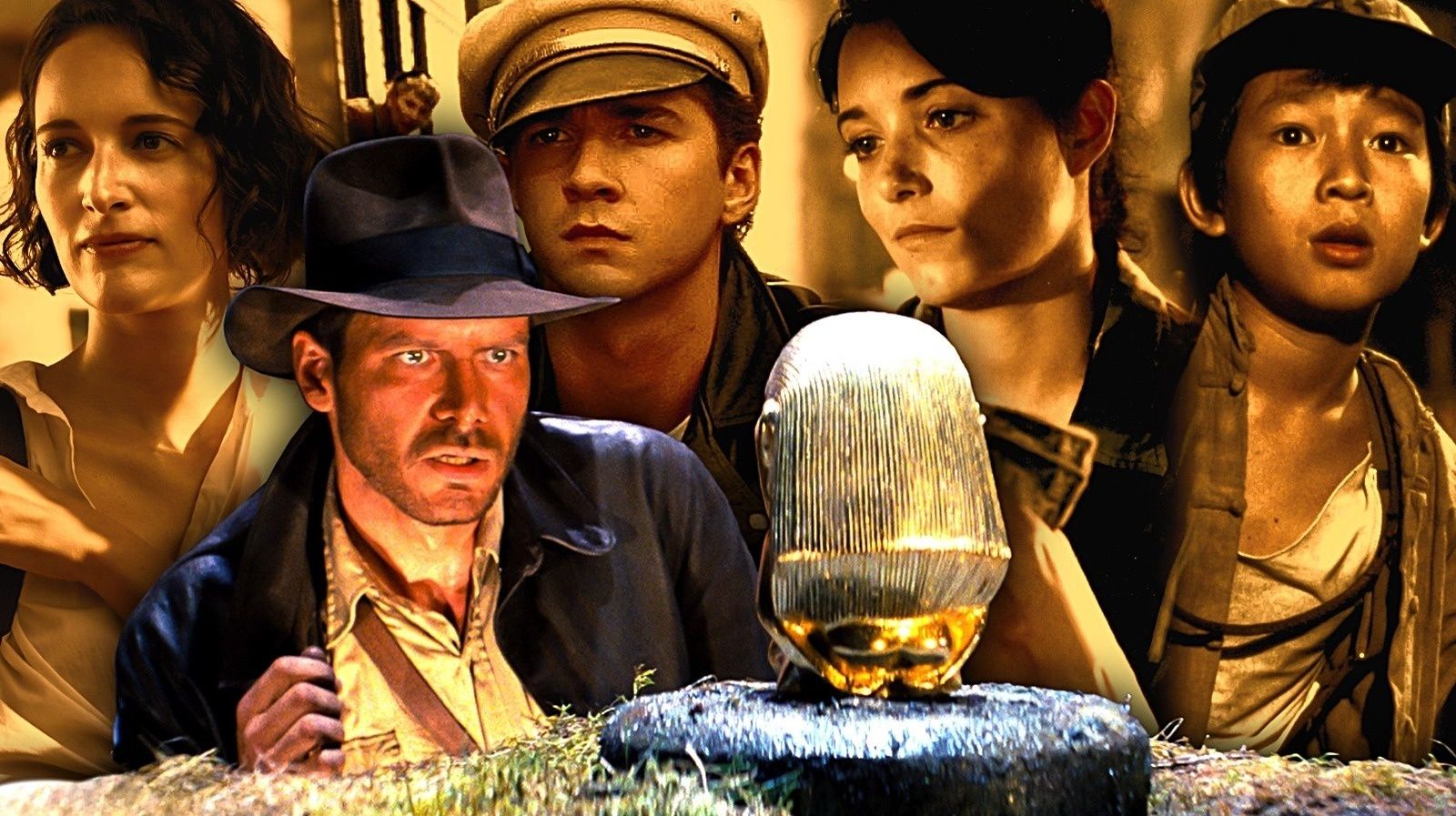
Navigating the Decades: A Global Guide to the Indiana Jones Timeline

📷 Image source: slashfilm.com
Introduction to the Adventurer's Journey
Mapping the Legacy of Indiana Jones
The Indiana Jones film series, created by George Lucas and Steven Spielberg, spans over four decades of cinematic history. Its timeline weaves through pivotal moments of the 20th century, blending historical events with fictional archaeology.
This chronology isn't just a sequence of adventures—it reflects evolving global attitudes toward exploration, cultural preservation, and mythology. The series' enduring popularity makes understanding its temporal structure relevant to audiences worldwide.
The Chronological Starting Point: 1912
Young Indiana's First Adventure
The timeline begins with The Young Indiana Jones Chronicles, showing a 9-year-old Indy in 1912. His early exposure to global travel and historical figures like Leo Tolstoy sets the foundation for his lifelong passion for adventure and artifacts.
This period introduces themes of cultural curiosity that resonate internationally. Young Indy's experiences during his family's world tour highlight how childhood exposures shape adult perspectives on global heritage.
War Years: 1916-1918
Coming of Age During Global Conflict
Indiana Jones serves in World War I, beginning as a Belgian army messenger at age 16. His wartime experiences across European battlefields expose him to the realities of global conflict and the preservation of cultural treasures during chaos.
These years demonstrate how war both destroys and reveals historical artifacts. Indy's transition from soldier to scholar mirrors the journey of many who lived through the Great War's global impact.
The Academic Years: 1920s
Formal Education and Early Expeditions
Jones attends the University of Chicago, earning degrees in archaeology and linguistics. His academic training coincides with real-world historical developments in archaeological methodology and museum curation practices during the 1920s.
This period reflects growing international recognition of archaeology as a scientific discipline. Jones' university experiences show the tension between academic theory and hands-on fieldwork that defines global archaeological practice.
Temple of Doom: 1935
The Darkest Adventure
Set before Raiders of the Lost Ark, this 1935 adventure takes Jones to India during British colonial rule. The film's depiction of ancient temples and mystical stones engages with South Asian cultural and religious traditions.
This chapter raises questions about Western representation of Eastern cultures in global cinema. The adventure occurs during India's independence movement, adding historical context to the fictional narrative.
Raiders of the Lost Ark: 1936
Nazis, Arks, and Global Politics
The iconic first film occurs in 1936, as Nazi Germany seeks religious artifacts for occult power. Jones races against Nazi agents to locate the Biblical Ark of the Covenant before it falls into Hitler's hands.
This story intersects with actual historical efforts by Nazi organizations to collect religious and occult objects. The global stakes—preventing ultimate power from falling to fascists—resonate across international audiences.
The Last Crusade: 1938
Fathers, Sons, and Holy Grails
Set two years after Raiders, this adventure involves both Jones' father and continued Nazi pursuit of religious relics. The search for the Holy Grail occurs against the backdrop of escalating tensions preceding World War II.
The father-son dynamic adds personal stakes to global historical events. The Grail legend itself represents one of the most universally recognized mythological quests across Western and Eastern traditions.
World War II Era: 1939-1945
Off-Screen but Historically Present
While no films directly cover these years, according to slashfilm.com, Indiana Jones served with Office of Strategic Services (OSS), the precursor to the CIA. This period represents the archaeologist's contribution to Allied intelligence efforts during global conflict.
These missing years highlight how even fictional characters exist within historical gaps. The war years represent a maturation from treasure hunter to someone applying his skills toward larger global causes.
Kingdom of the Crystal Skull: 1957
Cold War Archaeology
Set during the Cold War's height, this adventure introduces Soviet agents as antagonists seeking psychic warfare advantages. The shift from Nazis to Communists reflects changing global geopolitical tensions in the mid-20th century.
The incorporation of nuclear age anxieties and extraterrestrial theories connects to international Cold War cultural phenomena. Jones must navigate not just ancient traps but contemporary political ideologies.
Dial of Destiny: 1969
Aging Hero in Changing Times
The final chapter occurs during the Apollo 11 moon landing, symbolizing humanity's new frontiers while Jones faces retirement. The story involves time travel concepts through Archimedes' Antikythera mechanism, blending ancient Greek technology with scientific speculation.
This temporal bookending—from young adventurer to aging professor—completes a character arc that mirrors 20th century technological and social transformations. The moon landing backdrop represents global achievement beyond earthly boundaries.
Timeline Consistency Challenges
Continuity in a Long-Running Series
Maintaining chronological consistency across four decades of filmmaking presents challenges. Character aging, historical accuracy, and technological changes require careful attention to avoid anachronisms that might distract international viewers familiar with different historical periods.
The series occasionally adjusts timelines to serve narrative needs, a common practice in long-running franchises. These adjustments reflect the balance between historical authenticity and storytelling requirements in global entertainment.
Cultural Impact Across Borders
Why the Timeline Matters Globally
The Indiana Jones timeline matters because it uses historical moments as touchstones for global audiences. Whether depicting colonial India, pre-war Nepal, or Cold War America, each setting offers entry points for international viewers to connect with their own historical awareness.
The series' treatment of cultural artifacts—from Chinese villages to Egyptian tombs—sparks conversations about global heritage preservation. Different countries' reception of these depictions varies based on local perspectives on archaeology and cultural representation.
Global Perspectives
How does your country's cinematic tradition portray archaeological discovery and cultural heritage? Do local films approach historical adventure differently than Hollywood productions like Indiana Jones?
Share perspectives on how global audiences might interpret the series' treatment of ancient artifacts and cultural sites. Does the adventure format respect or simplify the complexities of archaeological practice and cultural preservation in different regions?
#IndianaJones #FilmHistory #Archaeology #AdventureFilms #CinematicTimeline


