

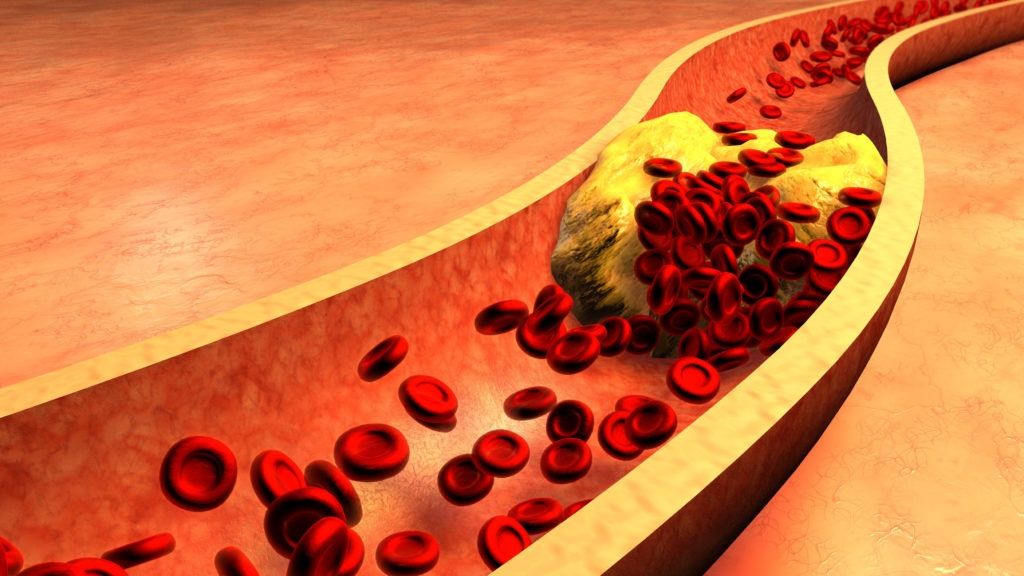
Amgen's Repatha demonstrates significant heart attack reduction in landmark cardiovascular study

📷 Image source: statnews.com
Breakthrough in Cardiovascular Prevention
Cholesterol-lowering injection shows promise for broader patient population
Amgen's revolutionary cholesterol-lowering medication Repatha has demonstrated remarkable success in preventing heart attacks and strokes across a diverse patient population, according to findings released by the pharmaceutical giant. The injectable drug, scientifically known as evolocumab, achieved statistically significant reduction in cardiovascular events that could transform treatment approaches for millions at risk.
The comprehensive study results, reported by statnews.com on October 2, 2025, reveal that Repatha successfully met its primary endpoint in preventing major adverse cardiac events. This development marks a crucial advancement in cardiovascular medicine, particularly for patients who struggle to control their cholesterol through conventional therapies alone.
Study Design and Patient Demographics
Rigorous clinical trial encompasses diverse risk profiles
The clinical trial enrolled thousands of participants across multiple medical centers, representing one of the most extensive investigations into PCSK9 inhibitors to date. Researchers designed the study to evaluate Repatha's effectiveness in what medical professionals describe as a 'broad population' - including patients with varying degrees of cardiovascular risk and cholesterol levels.
According to statnews.com, the trial specifically assessed whether the medication could prevent heart attacks, strokes, and other cardiovascular complications in real-world scenarios. The inclusion criteria allowed participation from patients with established cardiovascular disease as well as those considered at high risk due to multiple factors, creating a comprehensive picture of the drug's potential impact across different patient profiles.
Mechanism of Action Explained
How PCSK9 inhibition transforms cholesterol management
Repatha functions as a PCSK9 inhibitor, a class of drugs that work by targeting a specific protein responsible for regulating cholesterol levels in the bloodstream. The medication binds to PCSK9 proteins, preventing them from degrading LDL receptors in the liver. This mechanism allows more receptors to remain available to remove harmful LDL cholesterol from the blood.
Unlike traditional statin medications that primarily reduce cholesterol production, Repatha enhances the body's natural ability to clear existing cholesterol. This complementary approach proves particularly valuable for patients who cannot achieve adequate cholesterol control with statins alone or those who experience side effects from higher statin doses. The injection-based administration provides sustained cholesterol reduction between doses, offering convenience alongside clinical effectiveness.
Clinical Significance of the Findings
Addressing unmet needs in cardiovascular care
The successful outcome of this trial carries substantial implications for cardiovascular disease management worldwide. Heart disease remains the leading cause of mortality globally, and despite available treatments, many patients continue experiencing cardiovascular events due to inadequately controlled cholesterol levels.
Medical experts consider these results particularly significant because they demonstrate effectiveness across a spectrum of patients rather than just those with extremely high cholesterol. According to the statnews.com report, this broader applicability suggests Repatha could benefit millions of additional patients who currently lack optimal protection against heart attacks and strokes. The findings may prompt revisions to treatment guidelines and insurance coverage policies that have previously restricted PCSK9 inhibitors to narrow patient subgroups.
Safety Profile and Tolerability
Balancing efficacy with patient experience
Throughout the extensive trial period, researchers closely monitored participants for adverse effects and overall tolerability. The safety data collected provides crucial information for physicians considering Repatha for their patients, especially those requiring long-term cholesterol management.
While detailed safety information continues to be analyzed, initial reports indicate the medication maintained a favorable risk-benefit profile consistent with previous studies. The injection-site reactions, typically mild and temporary, represented the most commonly reported side effects. These findings reinforce Repatha's position as a viable option for patients who need additional cholesterol control beyond what lifestyle changes and conventional medications can provide.
Economic and Accessibility Considerations
Navigating cost barriers to widespread adoption
The demonstrated effectiveness in a broader population inevitably raises questions about cost and insurance coverage. PCSK9 inhibitors like Repatha have historically carried substantial price tags that limited their accessibility, though recent years have seen gradual improvements in insurance coverage and patient assistance programs.
According to statnews.com, Amgen's positive results may influence payer decisions regarding which patients qualify for coverage. If the data convinces insurance providers that Repatha prevents costly cardiovascular events across a wider demographic, they might expand coverage criteria accordingly. This potential shift could significantly increase the number of patients who can benefit from the medication while potentially reducing overall healthcare costs associated with treating heart attacks and strokes.
Comparison with Existing Therapies
Where Repatha fits in the cardiovascular prevention landscape
Repatha enters a crowded field of cardiovascular medications, each with distinct mechanisms and target populations. Statins remain the first-line therapy for most patients, offering proven benefits at relatively low cost. However, a substantial number of patients either cannot tolerate adequate statin doses or fail to achieve target cholesterol levels despite maximum statin therapy.
For these challenging cases, Repatha provides a scientifically validated alternative or adjunct treatment. The recent findings strengthen its position alongside other PCSK9 inhibitors and emerging cholesterol-management approaches. Unlike some newer therapies that require complex administration or frequent monitoring, Repatha's injection-based system offers relative simplicity for patients and providers alike. The demonstrated prevention of actual cardiovascular events, rather than just cholesterol reduction, represents a crucial distinction that may influence prescribing patterns.
Future Directions and Ongoing Research
What comes next for cardiovascular prevention
The successful trial results likely mark not an endpoint but a beginning of new investigative pathways. Researchers will undoubtedly explore whether even broader patient populations might benefit from Repatha, including those with specific genetic profiles or unique cardiovascular risk factors.
Additional studies may examine optimal timing for initiating therapy and potential combinations with other preventive medications. The cardiovascular research community continues investigating whether earlier intervention with powerful cholesterol-lowering agents could prevent the development of arterial plaque altogether, rather than just stabilizing existing buildup. As statnews.com reported on October 2, 2025, Amgen's findings contribute valuable data to these ongoing conversations about how to most effectively combat the global burden of heart disease through innovative pharmaceutical approaches.
Patient Implications and Practical Considerations
Translating clinical success to real-world benefit
For individuals at risk of cardiovascular events, these findings offer renewed hope for more effective prevention strategies. Patients who have struggled with uncontrolled cholesterol despite diligent efforts with diet, exercise, and conventional medications now have stronger evidence supporting Repatha as a viable option.
The practical aspects of treatment—including injection frequency, storage requirements, and administration techniques—will factor into individual decisions alongside the compelling efficacy data. Healthcare providers will need to consider each patient's specific risk profile, treatment history, and personal preferences when discussing whether Repatha represents an appropriate choice. The demonstration of benefit across a broad population means more patients can have informed conversations with their doctors about whether this innovative therapy might reduce their personal risk of heart attack and stroke.
#Repatha #HeartHealth #Cardiovascular #Cholesterol #MedicalBreakthrough


