

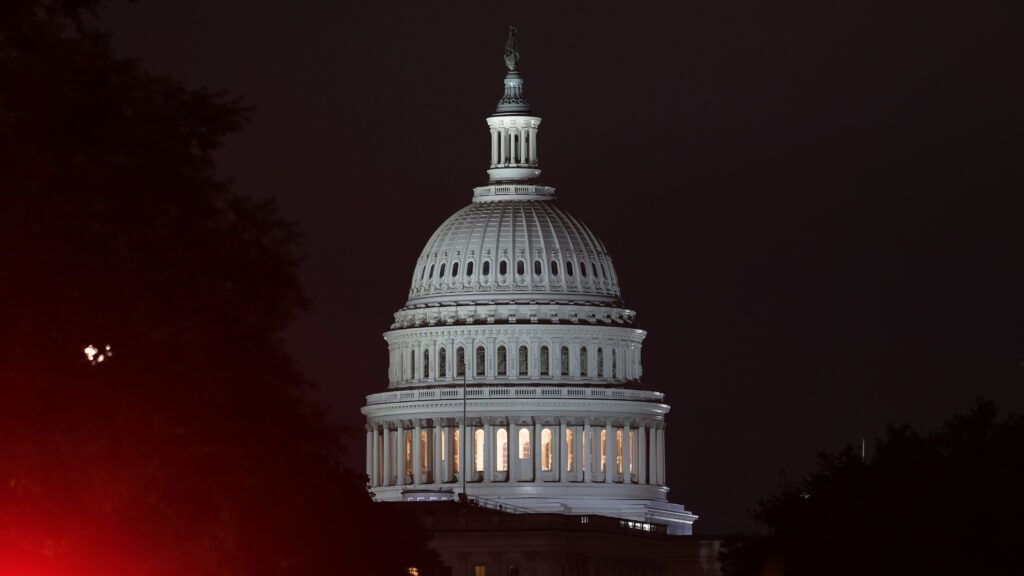
Healthcare in Limbo: How the Government Shutdown Disrupts Medical Services Nationwide

📷 Image source: statnews.com
The Shutdown's Immediate Impact on Federal Health Operations
Furloughs and Funding Gaps Create Healthcare Uncertainty
The federal government shutdown has triggered immediate disruptions across healthcare services, with thousands of Health and Human Services employees being furloughed according to statnews.com. Critical agencies like the Centers for Disease Control and Prevention and the National Institutes of Health are operating with skeleton crews, raising concerns about their ability to respond to public health emergencies. The staffing reductions come at a time when these organizations typically monitor seasonal illness patterns and coordinate national health responses.
Essential personnel continue working without pay, creating financial strain for federal healthcare workers while potentially affecting morale and operational capacity. The Department of Health and Human Services had approximately 42 percent of its staff furloughed as the shutdown began, according to the agency's contingency plan. This reduction in workforce impacts everything from routine monitoring of disease outbreaks to processing of research grants and healthcare facility inspections.
Medicare and Medicaid Services Face Operational Challenges
Beneficiary Services Continue But Long-Term Uncertainty Grows
While Medicare claims processing continues through the shutdown thanks to mandatory funding, new enrollment applications face potential delays according to statnews.com. The Centers for Medicare & Medicaid Services maintains limited staff to handle essential functions, but longer processing times for provider applications and beneficiary inquiries are expected. This comes as the agency typically processes millions of claims daily from hospitals, doctors, and other healthcare providers nationwide.
Medicaid operations face greater uncertainty since states administer the program with federal oversight. State Medicaid directors have expressed concern about the shutdown's impact on federal matching funds and program approvals. Without full federal staffing, states may encounter delays when seeking guidance on waiver requests or program changes, potentially affecting low-income beneficiaries who depend on the program for healthcare coverage.
Hospital-at-Home Program Faces Critical Juncture
Medicare Waiver Extensions Hang in the Balance
The Medicare hospital-at-home program, which allows patients to receive acute-level care in their residences, faces particular uncertainty during the shutdown according to statnews.com. The program operates under waivers that require periodic review and extension by federal officials. With reduced staffing at CMS, decisions about extending these waivers could be delayed, creating operational uncertainty for the hundreds of hospitals participating in the initiative.
Healthcare systems that have invested significantly in hospital-at-home infrastructure now face potential disruption to their care models. The program has demonstrated benefits including reduced healthcare-associated infections and improved patient satisfaction. Any interruption to the waivers supporting this care model could force hospitals to readmit patients to traditional inpatient settings, reversing gains made in expanding access to home-based acute care.
Public Health Surveillance Systems Operating at Reduced Capacity
Disease Monitoring and Outbreak Response Compromised
National public health surveillance systems are operating with reduced staffing, potentially affecting the nation's ability to detect and respond to disease outbreaks according to statnews.com. The CDC's monitoring of seasonal influenza, emerging infectious diseases, and routine public health threats continues but with limited personnel. This reduced capacity comes as the healthcare system typically prepares for winter respiratory illness season and monitors global health threats.
State and local health departments that rely on federal data and expertise may face challenges coordinating responses without full federal partnership. The shutdown also affects laboratory capacity at federal agencies, potentially delaying testing for novel pathogens or analysis of antibiotic-resistant bacteria. Public health officials have expressed concern that prolonged reduced surveillance could create gaps in understanding disease patterns and implementing timely interventions.
Medical Research Grinds Toward a Halt
NIH Clinical Trials and Grant Processing Face Disruption
The National Institutes of Health faces significant research disruptions as the shutdown continues according to statnews.com. New grant awards are suspended during the funding lapse, potentially delaying research projects across the country. The NIH Clinical Center, often called America's research hospital, continues to care for current patients but may delay admitting new participants to clinical trials, affecting patients seeking experimental treatments.
Research institutions nationwide that depend on NIH funding face uncertainty about existing grants and future applications. The disruption comes at a time when medical research was accelerating following pandemic-related delays. Scientists worry that prolonged funding uncertainty could damage research continuity and cause talented researchers to leave the field, with potential long-term consequences for medical innovation and public health advancement.
FDA Operations and Drug Approval Processes
Essential Functions Continue But Reviews May Slow
The Food and Drug Administration continues certain essential functions using carryover funds and user fees, but the shutdown affects non-essential activities according to statnews.com. Drug application reviews funded by industry user fees continue, though some regulatory scientists are furloughed. The complex interplay between mandatory and discretionary funding creates a patchwork of continued operations and suspended activities across the agency's various programs.
Medical device approvals, food safety inspections, and some compliance activities face potential delays depending on their funding sources. The FDA's ability to respond to emerging safety issues with medications or medical products may be hampered by reduced staffing. Pharmaceutical companies and medical device manufacturers face uncertainty about approval timelines, potentially affecting patient access to new treatments and healthcare providers' ability to adopt innovative technologies.
Healthcare Workforce Implications
Training Programs and Provider Support Systems Affected
Medical training programs that rely on federal funding face disruptions during the shutdown according to statnews.com. The National Health Service Corps, which places healthcare providers in underserved communities, may experience delays in processing applications and supporting current participants. Teaching health centers that train medical residents in community-based settings face funding uncertainty that could affect their ability to maintain training programs.
Healthcare workforce development initiatives at multiple federal agencies operate with reduced staffing, potentially affecting programs designed to address provider shortages in rural and underserved areas. The shutdown comes amid ongoing concerns about healthcare workforce burnout and distribution disparities. Prolonged disruption to federal workforce programs could exacerbate existing challenges in ensuring adequate healthcare provider availability across different regions and specialties.
Veterans Health Administration Operations
VA Healthcare Continues But Supporting Services Affected
Veterans health programs face mixed impacts during the shutdown according to statnews.com. Medical care at VA facilities continues since the Veterans Health Administration receives advance appropriations. However, supporting services like claims processing, benefit determinations, and some administrative functions may experience delays. This creates particular challenges for veterans transitioning from military service to civilian life who depend on timely benefit processing.
VA medical research and education programs that don't have protected funding face potential disruptions. The shutdown also affects interagency collaborations between the VA and other health agencies, potentially hampering initiatives addressing veteran-specific health concerns like suicide prevention, traumatic brain injury, and post-traumatic stress disorder. Veterans service organizations have expressed concern about how prolonged shutdown effects might compound existing challenges in the VA system.
Mental Health and Substance Use Services
Treatment Access and Prevention Efforts Compromised
Federal mental health and substance use programs face operational challenges during the shutdown according to statnews.com. The Substance Abuse and Mental Health Services Administration operates with reduced staffing, affecting grant programs, technical assistance, and policy implementation. State and local organizations that depend on SAMHSA funding and guidance face uncertainty about ongoing initiatives addressing the opioid crisis and expanding behavioral healthcare access.
Suicide prevention hotlines and crisis services continue operating, but supporting federal coordination and quality improvement activities may be hampered. The timing is particularly concerning given rising rates of mental health challenges and drug overdose deaths in recent years. Community organizations report confusion about whether federal support will continue uninterrupted during the shutdown, creating anxiety for providers and patients alike in the behavioral health system.
Rural Healthcare Vulnerabilities
Already-Strained Systems Face Additional Pressure
Rural healthcare providers face particular vulnerability during the government shutdown according to statnews.com. Critical access hospitals and rural health clinics that depend on timely Medicare reimbursements may experience cash flow challenges if claim processing slows. Programs specifically designed to support rural healthcare infrastructure, like the Federal Office of Rural Health Policy, operate with reduced capacity to provide technical assistance and distribute resources.
The shutdown compounds existing challenges in rural healthcare, including provider shortages, facility closures, and patient access barriers. Rural communities often have higher rates of chronic conditions and older populations more dependent on federal healthcare programs. Any disruption to rural health initiatives or Medicare operations disproportionately affects these communities, potentially widening existing health disparities between urban and rural areas during the funding lapse.
International Comparison of Government Health System Operations
How Other Countries Manage Healthcare During Political Disruptions
The United States' experience with healthcare disruptions during government shutdowns differs significantly from how other developed countries manage political disruptions according to available information. In parliamentary systems, healthcare typically continues uninterrupted during government transitions or political crises since health services operate under permanent statutory authorities rather than annual appropriations. This structural difference highlights how budget processes can affect healthcare stability.
Countries with national health services generally insulate clinical care from political budget disputes, though some administrative functions may experience delays during government transitions. The U.S. system's reliance on annual appropriations for many health agency functions creates particular vulnerability during funding lapses. This comparison raises questions about how different governance approaches affect healthcare continuity during political disagreements, though comprehensive international data on this specific scenario remains limited.
Historical Context of Shutdown Impacts on Healthcare
Patterns from Previous Funding Lapses Inform Current Concerns
Previous government shutdowns provide context for understanding potential healthcare impacts according to historical records. During the 2018-2019 shutdown, the longest in U.S. history, public health activities were significantly curtailed, including seasonal influenza monitoring and food safety inspections. Research at the NIH was disrupted, with some clinical trials delayed and new grant awards suspended until funding resumed. These historical patterns suggest similar consequences may emerge during the current shutdown.
Previous shutdowns demonstrated that effects compound over time, with initial minimal disruptions becoming more significant as funding lapses continue. Healthcare organizations developed contingency plans based on past experiences, but uncertainty remains about how prolonged disruption might affect complex, interconnected healthcare systems. The unique timing of the current shutdown, occurring amid ongoing healthcare workforce challenges and recovery from pandemic-related disruptions, creates particular concerns about system resilience.
Perspectif Pembaca
Share Your Experience
How has the government shutdown affected your access to healthcare services or your work in the medical field? Have you experienced delays in medical appointments, insurance processing, or research activities due to the funding lapse? Share your perspective on how political disruptions impact day-to-day healthcare operations and patient care.
Healthcare providers, patients, researchers, and administrators each experience shutdown impacts differently. Your insights can help illustrate the real-world consequences of federal funding disruptions on medical care and public health. Whether you've encountered minor inconveniences or significant care disruptions, your experience contributes to understanding how political decisions translate to healthcare realities.
#Healthcare #GovernmentShutdown #Medicare #PublicHealth #HHS


