

Cardiac Calcium CT Scans: A Comprehensive Look at Their Role in Heart Disease Prevention

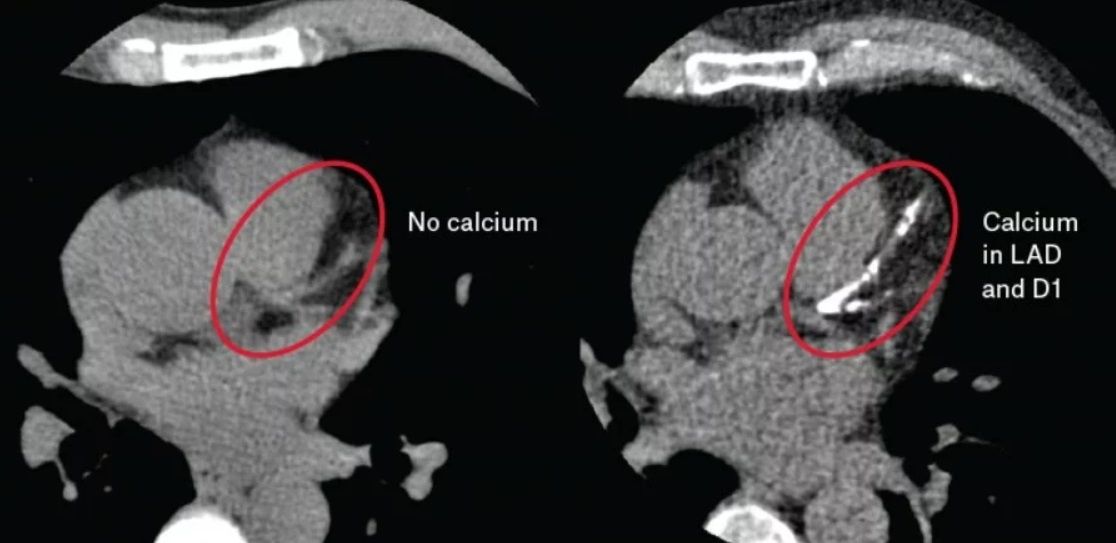
📷 Image source: sciencebasedmedicine.org
Introduction: The Promise of Early Detection
Understanding Cardiac Calcium Scoring
Cardiac calcium CT scans, also known as coronary artery calcium (CAC) scoring, represent a non-invasive imaging technique designed to detect calcium deposits in the coronary arteries. These deposits serve as markers for atherosclerosis, the gradual buildup of plaque that can lead to heart attacks and other cardiovascular events. The procedure uses computed tomography (CT) technology to create detailed images of the heart and its blood vessels, providing physicians with a quantitative assessment of coronary artery disease risk.
According to sciencebasedmedicine.org, the fundamental premise behind cardiac calcium scanning is that the presence and amount of calcium in coronary arteries correlates with the overall burden of atherosclerotic plaque. The scan produces a numerical score that reflects the extent of calcification, with higher scores indicating greater plaque accumulation and consequently higher cardiovascular risk. This approach aims to identify individuals who might benefit from more aggressive preventive measures before they develop symptoms or experience cardiac events.
How Cardiac Calcium CT Scans Work
The Technical Process Explained
The cardiac calcium CT scanning process begins with the patient lying on a movable table that slides into the CT scanner, a large, doughnut-shaped machine. During the procedure, which typically lasts 10-15 minutes, the scanner rotates around the patient's chest area, capturing multiple X-ray images from different angles. These images are then processed by sophisticated computer software to create cross-sectional views of the heart and coronary arteries, specifically targeting calcified areas that appear as bright white spots on the scans.
The resulting calcium score is calculated using specialized algorithms that measure both the area and density of calcium deposits. This scoring system, known as the Agatston score, quantifies the total amount of calcium detected in the coronary arteries. The procedure requires no injections, dyes, or contrast materials, making it less invasive than other cardiac imaging tests. However, it does involve exposure to ionizing radiation, though modern scanners have significantly reduced radiation doses compared to earlier models.
Interpreting Calcium Score Results
What the Numbers Actually Mean
Cardiac calcium scores are typically categorized into several risk levels that help clinicians assess cardiovascular disease probability. A score of zero indicates no detectable calcium and is associated with very low risk of cardiovascular events in the near term. Scores between 1 and 100 suggest mild plaque buildup and moderate risk, while scores from 101 to 400 indicate moderate plaque accumulation and increased risk. Scores exceeding 400 signify extensive atherosclerosis and high cardiovascular risk, according to sciencebasedmedicine.org's analysis of clinical guidelines.
The interpretation of these scores must consider multiple patient factors beyond the numerical value alone. Age, gender, family history, and traditional risk factors like blood pressure, cholesterol levels, and smoking status all influence what constitutes a concerning score for an individual patient. A calcium score that might be normal for a 70-year-old could be alarming for someone decades younger. This contextual interpretation requires medical expertise and cannot be reduced to simple numerical thresholds without considering the complete clinical picture.
Clinical Applications and Guidelines
When Are These Scans Recommended?
Current medical guidelines from major cardiovascular societies provide specific recommendations regarding appropriate use of cardiac calcium CT scans. According to sciencebasedmedicine.org's examination of these guidelines, the test is primarily recommended for intermediate-risk patients—those with a 10-year cardiovascular disease risk between 7.5% and 20% based on traditional risk calculators. For these individuals, the calcium score can help reclassify their risk upward or downward, potentially altering treatment decisions regarding cholesterol-lowering medications or other preventive therapies.
The scan is generally not recommended for low-risk individuals, as a zero score would not change management, nor for high-risk patients who already qualify for aggressive preventive treatment regardless of their calcium score. Additionally, the test is not considered appropriate for symptomatic patients, who typically require more comprehensive diagnostic evaluation. The selective application of cardiac calcium scoring reflects efforts to maximize clinical utility while minimizing unnecessary testing and healthcare costs, though practice patterns sometimes deviate from these evidence-based recommendations.
Benefits of Cardiac Calcium Assessment
Potential Advantages in Risk Stratification
Proponents of cardiac calcium CT scanning highlight several potential benefits that extend beyond traditional risk assessment methods. The visual evidence of coronary artery disease provided by the scan can serve as a powerful motivator for lifestyle changes, particularly for patients who might otherwise dismiss abstract risk calculations. Seeing actual plaque in their arteries often prompts improved medication adherence, dietary modifications, increased physical activity, and smoking cessation efforts that might not have occurred based on statistical risk estimates alone.
Another significant advantage lies in the test's ability to detect subclinical atherosclerosis—the early stages of coronary artery disease that haven't yet produced symptoms. This early detection capability potentially allows for interventions before irreversible damage occurs. Furthermore, for intermediate-risk patients, the calcium score can help resolve uncertainty about treatment intensity, potentially avoiding both undertreatment of individuals with significant hidden disease and overtreatment of those with minimal atherosclerosis despite concerning traditional risk factors.
Limitations and Concerns
Important Considerations and Drawbacks
Despite its potential benefits, cardiac calcium CT scanning carries several important limitations that warrant careful consideration. The test detects only calcified plaque, missing non-calcified or 'soft' plaque that may be equally or more dangerous. This limitation means a zero calcium score doesn't completely rule out significant atherosclerosis, particularly in younger patients or those with early-stage disease where calcification hasn't yet developed. Additionally, the scan involves radiation exposure, albeit at relatively low levels with modern equipment.
Other concerns include the potential for false positives that may lead to unnecessary additional testing, patient anxiety, and increased healthcare costs without clear benefit. The scan also doesn't provide information about whether detected plaques are actually obstructing blood flow or likely to rupture—the events that directly cause heart attacks. According to sciencebasedmedicine.org, there's ongoing debate about whether calcium scoring improves patient outcomes beyond what can be achieved through careful assessment and management of traditional risk factors alone, particularly given the financial costs and potential downsides of the procedure.
Comparison with Other Cardiac Tests
How Calcium Scoring Fits into the Diagnostic Landscape
Cardiac calcium CT scanning occupies a distinct position within the spectrum of available cardiac diagnostic tests, each with different strengths and applications. Unlike stress tests that assess how the heart functions under physical exertion, calcium scoring provides anatomical information about plaque presence without evaluating physiological significance. Coronary CT angiography offers more comprehensive visualization of the coronary arteries, including non-calcified plaque and degree of narrowing, but requires contrast injection and typically involves higher radiation exposure.
Traditional risk assessment tools like the Framingham Risk Score or ASCVD Risk Calculator use clinical factors—age, blood pressure, cholesterol levels, smoking status, and diabetes—to estimate cardiovascular risk statistically. Calcium scoring adds direct anatomical evidence to these statistical predictions. Invasive coronary angiography remains the gold standard for diagnosing significant blockages but carries higher risks and costs, making it unsuitable for routine screening. The appropriate test depends on the specific clinical question, patient characteristics, and how results will influence management decisions.
Cost and Accessibility Considerations
Economic and Practical Aspects
The financial aspects of cardiac calcium CT scanning present significant considerations for healthcare systems and individual patients. Out-of-pocket costs for the procedure typically range from $100 to $400 in the United States, though prices vary considerably by geographic location and healthcare facility. Most insurance plans, including Medicare, don't routinely cover calcium scoring for screening purposes, classifying it as an elective rather than medically necessary test, though coverage policies continue to evolve as evidence accumulates.
Accessibility also varies significantly across different healthcare settings and countries. The technology requires specialized CT equipment and trained radiologists or cardiologists for proper interpretation, resources that may be limited in rural areas or lower-income regions. This uneven distribution raises questions about health equity, as patients with greater financial resources or living in well-served areas may benefit from testing unavailable to others with similar medical needs. These economic and access considerations must be weighed against potential clinical benefits when considering widespread implementation of cardiac calcium screening programs.
International Perspectives and Practices
Global Variations in Approach
The utilization and acceptance of cardiac calcium CT scanning varies considerably across different countries and healthcare systems, reflecting diverse medical cultures, resource availability, and interpretations of the evidence. In the United States, the test has gained relatively widespread acceptance, particularly in preventive cardiology practices, though insurance coverage remains inconsistent. European guidelines have traditionally been more conservative in their recommendations, emphasizing traditional risk factors and expressing concerns about overdiagnosis and unnecessary radiation exposure.
According to sciencebasedmedicine.org's international comparison, some countries with socialized healthcare systems have been particularly cautious about adopting population-based calcium screening due to cost-effectiveness concerns and questions about whether detected early disease would be managed differently. These international variations highlight how identical scientific evidence can lead to different clinical practices based on healthcare system structures, cultural attitudes toward preventive medicine, and economic considerations. This global perspective underscores that cardiac calcium scoring represents just one approach to cardiovascular risk assessment among many valid alternatives.
Future Directions and Research
Evolving Evidence and Technology
Ongoing research continues to refine our understanding of cardiac calcium CT scanning's appropriate role in cardiovascular prevention. Current studies are investigating whether routine calcium scoring in specific populations leads to improved long-term outcomes, including reduced heart attacks and cardiovascular mortality. Researchers are also exploring how to best integrate calcium scores with other biomarkers and imaging techniques to create more comprehensive risk prediction models that might outperform individual assessment methods.
Technological advancements promise continued evolution in this field. Emerging CT technologies aim to further reduce radiation exposure while maintaining or improving image quality. Artificial intelligence applications are being developed to automate score calculation and potentially extract additional prognostic information from scan images beyond simple calcium quantification. The integration of genetic risk scores with calcium imaging represents another frontier, potentially identifying individuals with genetic predispositions who might benefit most from early anatomical assessment. These developments suggest that the role of cardiac calcium CT scanning will continue to evolve as new evidence and technologies emerge.
Patient Decision-Making Considerations
Navigating the Choice to Undergo Scanning
For individuals considering cardiac calcium CT scanning, several factors warrant careful thought before proceeding with the test. Patients should understand what the scan can and cannot reveal—specifically that it detects calcified plaque but doesn't assess blood flow or identify non-calcified plaque that might be equally concerning. They should also consider how they might respond to different possible results, including whether a high score would motivate positive health behavior changes or create excessive anxiety that diminishes quality of life.
The decision should also factor in personal and family history of cardiovascular disease, existing risk factors, and previous cardiac testing. Individuals with strong family histories of premature heart disease or multiple traditional risk factors might derive different benefits from testing than those with minimal risk factors. Ultimately, the choice should involve informed discussion with a healthcare provider who understands the individual's complete medical picture and can help weigh potential benefits against limitations, costs, and alternatives. This shared decision-making approach respects patient autonomy while ensuring medical expertise guides the process.
Perspektif Pembaca
Share Your Views on Cardiac Health Screening
How do you balance the potential benefits of early detection against concerns about overtesting and unnecessary medical interventions in your own healthcare decisions? What factors would most influence your decision to undergo or decline a cardiac calcium CT scan if your doctor recommended it?
Have you or someone you know undergone cardiac calcium scoring? What was the experience like, and how did the results impact subsequent health behaviors or medical decisions? Whether you're a healthcare professional or someone personally concerned about heart health, your perspective adds valuable dimension to this ongoing discussion about optimal approaches to cardiovascular prevention.
#HeartHealth #CardiacCT #PreventiveMedicine #Atherosclerosis #Cardiology


