

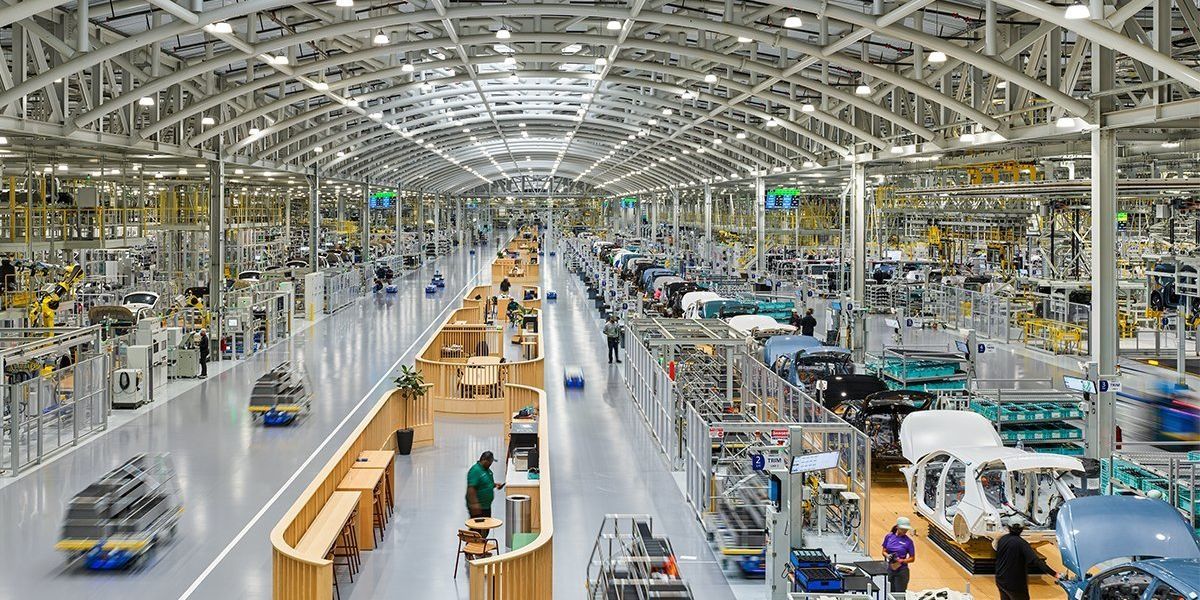
Hyundai's $5.9 Billion Georgia Metaplant Revolutionizes Electric Vehicle Manufacturing

📷 Image source: spectrum.ieee.org
The Dawn of Smart Manufacturing
How Hyundai is redefining automotive production through integrated technology
Nestled in the heart of Georgia's Bryan County, Hyundai's Metaplant America represents a fundamental shift in how vehicles will be manufactured for decades to come. This $5.9 billion facility isn't merely another automotive factory—it's what the company describes as a 'metaplant,' where physical and digital manufacturing processes converge seamlessly. According to spectrum.ieee.org, the facility aims to produce 300,000 electric vehicles annually while serving as a testing ground for advanced production technologies that could transform the entire automotive industry.
The concept of a metaplant represents Hyundai's vision for the future of manufacturing, where every aspect of production is enhanced through digital integration. From the initial stamping of metal components to the final quality checks, digital systems work in tandem with physical machinery to optimize efficiency, reduce waste, and improve quality control. This approach marks a significant departure from traditional automotive manufacturing methods that have dominated the industry for over a century.
Robotic Workforce and Human Collaboration
Over 200 robots working alongside skilled technicians
The Metaplant employs more than 200 robots that handle everything from welding and painting to assembly tasks that require precision beyond human capability. These aren't isolated automated systems but interconnected units that communicate with each other and with human workers. According to spectrum.ieee.org, the facility demonstrates how robotics and human labor can complement rather than replace each other, with robots handling repetitive, dangerous, or precision-critical tasks while human workers focus on quality control, problem-solving, and complex assembly operations.
This collaborative approach extends throughout the 2,900-acre facility, where automated guided vehicles transport components between workstations without human intervention. The integration of robotics allows the plant to operate with remarkable efficiency while maintaining flexibility to adapt to different vehicle models and production requirements. Hyundai's implementation represents one of the most sophisticated examples of human-robot collaboration in modern manufacturing, balancing the strengths of both biological and artificial workers.
Digital Twin Technology Implementation
Virtual replicas enabling real-time optimization
At the core of the metaplant concept lies Hyundai's extensive use of digital twin technology. The company has created virtual replicas of the entire manufacturing process, allowing engineers to simulate production, identify potential bottlenecks, and test modifications before implementing them in the physical factory. According to spectrum.ieee.org, this approach enables continuous optimization of manufacturing workflows and rapid response to production challenges.
The digital twins extend beyond the manufacturing process itself to include individual vehicles as they move through the assembly line. Each vehicle accumulates a comprehensive digital record that tracks every component, assembly step, and quality check. This creates what Hyundai describes as a 'birth certificate' for each vehicle—a complete digital history that can be referenced throughout the vehicle's lifecycle for maintenance, repairs, or recalls. The implementation represents one of the most comprehensive applications of digital twin technology in automotive manufacturing to date.
Sustainable Manufacturing Practices
Environmental considerations integrated into production
Hyundai has incorporated numerous sustainability features into the Metaplant's design and operations. The facility includes a 366,000 square meter rooftop solar installation capable of generating approximately 16% of the plant's electricity needs during peak production. According to spectrum.ieee.org, this represents one of the largest rooftop solar installations in the automotive industry and demonstrates Hyundai's commitment to reducing the environmental impact of its manufacturing operations.
The plant also implements sophisticated water recycling systems and energy-efficient lighting and climate control throughout its facilities. Hyundai has designed the Metaplant to achieve carbon neutrality in its operations, aligning with broader corporate sustainability goals. The approach reflects growing industry recognition that electric vehicle manufacturing must itself be environmentally responsible to deliver meaningful ecological benefits.
Supply Chain Integration and Localization
Building an ecosystem of suppliers around the facility
The Metaplant's location in Georgia represents a strategic decision to establish Hyundai's electric vehicle manufacturing presence in North America. According to spectrum.ieee.org, the company is developing an extensive network of local suppliers to support the facility's operations, reducing reliance on overseas components and minimizing transportation costs and delays. This localization strategy also helps Hyundai qualify for federal electric vehicle incentives under current legislation.
The supplier ecosystem extends beyond traditional automotive components to include technology partners specializing in software, sensors, and connectivity solutions. This reflects the evolving nature of automotive manufacturing, where digital capabilities are becoming as important as mechanical components. Hyundai's approach demonstrates how modern automotive manufacturing requires integration across diverse industries and specialties.
Workforce Development and Training
Preparing workers for advanced manufacturing roles
The Metaplant represents not just a technological transformation but a human capital development opportunity. According to spectrum.ieee.org, Hyundai has established extensive training programs to prepare workers for the sophisticated manufacturing environment. These programs include both technical skills related to robotics and automation and broader understanding of digital manufacturing systems and quality control processes.
The training initiatives extend beyond Hyundai's direct employees to include local educational institutions and workforce development organizations. This approach aims to create a sustainable talent pipeline that can support the facility's long-term operations while providing career opportunities for local residents. The comprehensive workforce development strategy acknowledges that advanced manufacturing facilities require workers with skills that differ significantly from traditional automotive assembly roles.
Production Flexibility and Scalability
Adapting to evolving market demands
The Metaplant's design incorporates remarkable flexibility to accommodate different vehicle models and adapt to changing market conditions. According to spectrum.ieee.org, the facility can simultaneously produce multiple electric vehicle models on the same assembly lines, allowing Hyundai to respond quickly to shifts in consumer preferences or introduce new models without significant retooling or production interruptions.
This flexibility extends to production volumes, with the ability to scale operations up or down based on demand while maintaining efficiency. The digital infrastructure plays a crucial role in this adaptability, enabling rapid reconfiguration of manufacturing processes and workflows. Hyundai's approach represents a significant advancement beyond traditional automotive manufacturing facilities, which often require extensive modifications to accommodate new models or significant changes in production volumes.
Future Implications for Automotive Manufacturing
Setting new standards for the industry
Hyundai's Metaplant represents more than just a single manufacturing facility—it serves as a prototype for the future of automotive production. According to spectrum.ieee.org, the technologies and processes developed and refined at the Georgia facility will influence Hyundai's global manufacturing strategy and potentially set new standards for the entire automotive industry. The metaplant concept demonstrates how digital technologies can transform traditional manufacturing operations.
The facility's success or challenges will provide valuable lessons for other manufacturers considering similar transformations. As the automotive industry continues its transition toward electrification and increased connectivity, manufacturing approaches must evolve accordingly. Hyundai's Metaplant represents one of the most comprehensive attempts to reimagine automotive manufacturing for the digital age, blending physical production with digital capabilities in ways that could redefine industry standards for decades to come.
Economic Impact and Community Integration
Beyond manufacturing to regional development
The Metaplant's establishment in Georgia represents a significant economic development achievement for the region. According to spectrum.ieee.org, the facility is expected to create approximately 8,100 direct jobs while generating thousands more indirect employment opportunities through suppliers and supporting services. The project represents one of the largest economic development initiatives in Georgia's history and demonstrates the state's successful positioning as a hub for advanced manufacturing.
Beyond employment, the facility contributes to local tax bases and supports community development through various initiatives and partnerships. Hyundai has engaged with local educational institutions, infrastructure projects, and community organizations to ensure the Metaplant integrates effectively with the surrounding region. This comprehensive approach to community integration reflects modern corporate understanding that large manufacturing facilities must function as positive contributors to their host communities rather than isolated industrial operations.
Quality Assurance Through Technology
Advanced systems ensuring product excellence
The Metaplant implements sophisticated quality control systems that leverage both advanced sensors and artificial intelligence. According to spectrum.ieee.org, these systems continuously monitor production processes and component quality, identifying potential issues before they affect finished vehicles. The approach represents a significant advancement beyond traditional quality control methods that rely heavily on manual inspections and sampling.
Digital records maintained throughout the manufacturing process enable comprehensive traceability, allowing Hyundai to identify the origin of any component or the specific conditions under which each assembly step was performed. This level of detail supports rapid identification and resolution of quality issues while providing valuable data for continuous improvement of manufacturing processes. The quality assurance systems demonstrate how digital technologies can enhance traditional manufacturing objectives like reliability and consistency.
#Hyundai #EVManufacturing #Metaplant #DigitalTwin #Robotics #AutomotiveInnovation


