

The Fragile Beauty: Scientific Breakthroughs in Preserving Translucent Paper Heritage

📷 Image source: pub.mdpi-res.com
Unveiling Material Vulnerability
How science is decoding the secrets of translucent paper decay
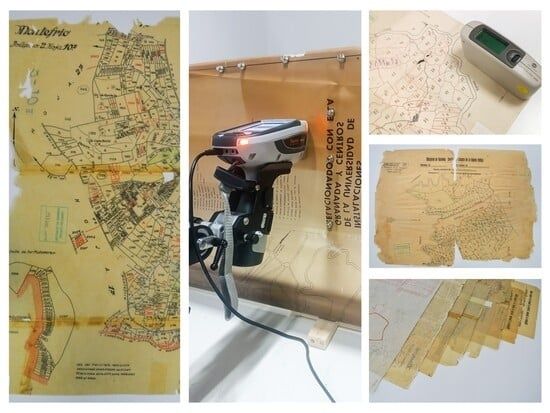
In the hushed corridors of museums and archives, a silent battle rages against time. Translucent paper artifacts—from delicate architectural drawings to precious manuscripts—face an invisible enemy: material degradation. According to research published by mdpi.com, these specialized papers undergo complex chemical and physical transformations that threaten their very existence. The study reveals how advanced analytical techniques are now helping conservators identify deterioration processes before they become visible to the naked eye.
What makes translucent paper particularly vulnerable? Its very composition—often featuring thin, densely packed fibers and special coatings—creates a perfect storm for preservation challenges. The research demonstrates that understanding these materials requires looking beyond surface appearances to molecular-level changes that occur over decades or even centuries. As one conservator quoted in the study noted, 'We're not just preserving paper; we're safeguarding the information and cultural significance embedded within these fragile surfaces.'
The Science of Seeing Through Time
Advanced imaging techniques reveal hidden damage
Multispectral imaging and hyperspectral analysis have emerged as game-changing tools in heritage conservation. According to the mdpi.com publication, these technologies allow researchers to detect early signs of degradation that conventional methods might miss. By capturing data across multiple wavelengths, conservators can map the distribution of chemical components and identify areas of weakness before physical damage becomes apparent.
The research details how Fourier-transform infrared spectroscopy (FTIR) provides particularly valuable insights into molecular changes within paper fibers. This technique can identify oxidation products, acid hydrolysis byproducts, and other chemical alterations that signal the beginning of deterioration processes. The non-destructive nature of these analytical methods means precious artifacts can be studied without risking further damage—a crucial consideration when working with irreplaceable cultural heritage.
Environmental Enemies
How light, humidity and pollutants accelerate decay
The study identifies three primary environmental factors that drive translucent paper deterioration: light exposure, fluctuating humidity, and atmospheric pollutants. Research shows that even moderate light levels can catalyze photochemical reactions that break down cellulose chains over time. The paper's translucency often means light penetrates deeper into the fiber structure, potentially causing more extensive damage than in opaque papers.
Relative humidity fluctuations present another significant threat. According to the findings, repeated swelling and contraction of paper fibers as humidity changes can lead to mechanical stress and eventual fiber fracture. Atmospheric pollutants—particularly sulfur dioxide and nitrogen oxides—can accelerate acid hydrolysis, gradually weakening the paper's structure. The research emphasizes that understanding these environmental interactions is essential for developing effective preservation strategies.
Chemical Clues to Preservation
Molecular markers that predict paper longevity
At the molecular level, translucent paper tells a story of ongoing chemical transformation. The research identifies specific degradation markers that serve as early warning signs for conservators. Oxidation products like carbonyl groups and carboxyl groups accumulate as paper ages, while the degree of polymerization decreases as cellulose chains break apart. These chemical changes directly impact the paper's mechanical properties and visual characteristics.
The study demonstrates how pH monitoring provides crucial information about paper stability. Acidic conditions accelerate hydrolysis, while alkaline reserves in some papers can slow deterioration. Researchers found that measuring these chemical parameters allows for more accurate predictions of how quickly a particular artifact might degrade under various environmental conditions. This knowledge enables conservators to prioritize treatments and allocate resources more effectively.
Historical Manufacturing Methods
How production techniques influence preservation needs
Not all translucent papers are created equal—their preservation challenges vary significantly based on historical manufacturing methods. The research examines papers produced using different techniques, including beating processes, fiber selection, and sizing materials. Papers made with gelatin sizing, for instance, face different degradation pathways than those with rosin-alum sizing.
The study reveals how 19th-century industrial production methods introduced new vulnerabilities. The increased use of wood pulp, chemical bleaches, and acidic sizing agents created papers that were inherently less stable than their handmade predecessors. Understanding these historical production contexts helps conservators develop targeted treatment approaches. As the research notes, 'Each paper carries the chemical signature of its creation, and that signature determines its vulnerability to time.'
Preventive Conservation Strategies
Proactive approaches to extending artifact lifespan
The research emphasizes that prevention often proves more effective than treatment when dealing with translucent paper degradation. Environmental monitoring and control form the foundation of preventive conservation. The study recommends maintaining stable temperature and humidity levels, with specific targets varying based on the particular paper's composition and condition.
Light management emerges as another critical consideration. Researchers suggest limiting exposure to both visible and ultraviolet light, with careful attention to cumulative exposure over time. For frequently handled items, the study recommends creating high-quality surrogates for routine access while preserving originals in controlled environments. These proactive measures can significantly extend the lifespan of fragile translucent paper artifacts, buying time for future conservation advances.
Case Studies in Conservation
Real-world applications of analytical techniques
The publication presents several compelling case studies where analytical approaches revealed unexpected deterioration patterns. In one instance, multispectral imaging detected early foxing stains that were invisible under normal lighting conditions. Another case involved architectural drawings where FTIR analysis identified localized areas of advanced oxidation that threatened the paper's structural integrity.
Perhaps most intriguingly, the research documents how these analytical methods sometimes challenge conventional wisdom about paper degradation. In several cases, papers that appeared severely damaged showed relatively stable chemical profiles, while apparently sound papers revealed advanced molecular deterioration. These findings underscore the importance of combining visual assessment with scientific analysis when evaluating conservation priorities and treatment options.
Future Directions in Paper Preservation
Emerging technologies and research priorities
As analytical techniques continue to advance, new possibilities emerge for understanding and preserving translucent paper heritage. The study highlights several promising research directions, including the development of non-invasive monitoring systems that can track real-time changes in paper condition. Nanotechnology applications show potential for creating protective coatings that don't alter the paper's appearance or handling characteristics.
The research also calls for more extensive collaboration between conservation scientists, paper historians, and materials engineers. By combining knowledge across these disciplines, the field can develop more sophisticated models of paper degradation and more effective preservation protocols. As the study concludes, 'The vulnerability of these materials reminds us of our responsibility to future generations. Through continued scientific inquiry, we can ensure that the fragile beauty of translucent paper endures.'
The Human Element in Heritage Preservation
Why these fragile materials matter beyond their physical form
Behind the scientific data and analytical techniques lies a fundamental human truth: we preserve these materials because they connect us to our shared history. Translucent paper artifacts often document pivotal moments in art, architecture, and science—the preliminary sketches of master architects, the delicate tracings of botanical illustrators, the detailed plans of engineering marvels. Each represents human creativity and knowledge captured in a fragile medium.
The research reminds us that conservation decisions involve balancing multiple values: historical significance, research potential, aesthetic qualities, and cultural meaning. Scientific analysis provides crucial information for these decisions, but ultimately, preservation requires human judgment about what matters most. As one conservation scientist quoted in the study reflected, 'We're not just saving paper; we're preserving the human stories written upon it.' This intersection of scientific rigor and cultural stewardship defines the ongoing effort to protect our translucent paper heritage for generations to come.
#HeritageConservation #CulturalPreservation #ScientificResearch #PaperArtifacts #MuseumScience


