

Beyond the Haze: Unpacking the Direct and Systemic Health Impacts of Air Pollution

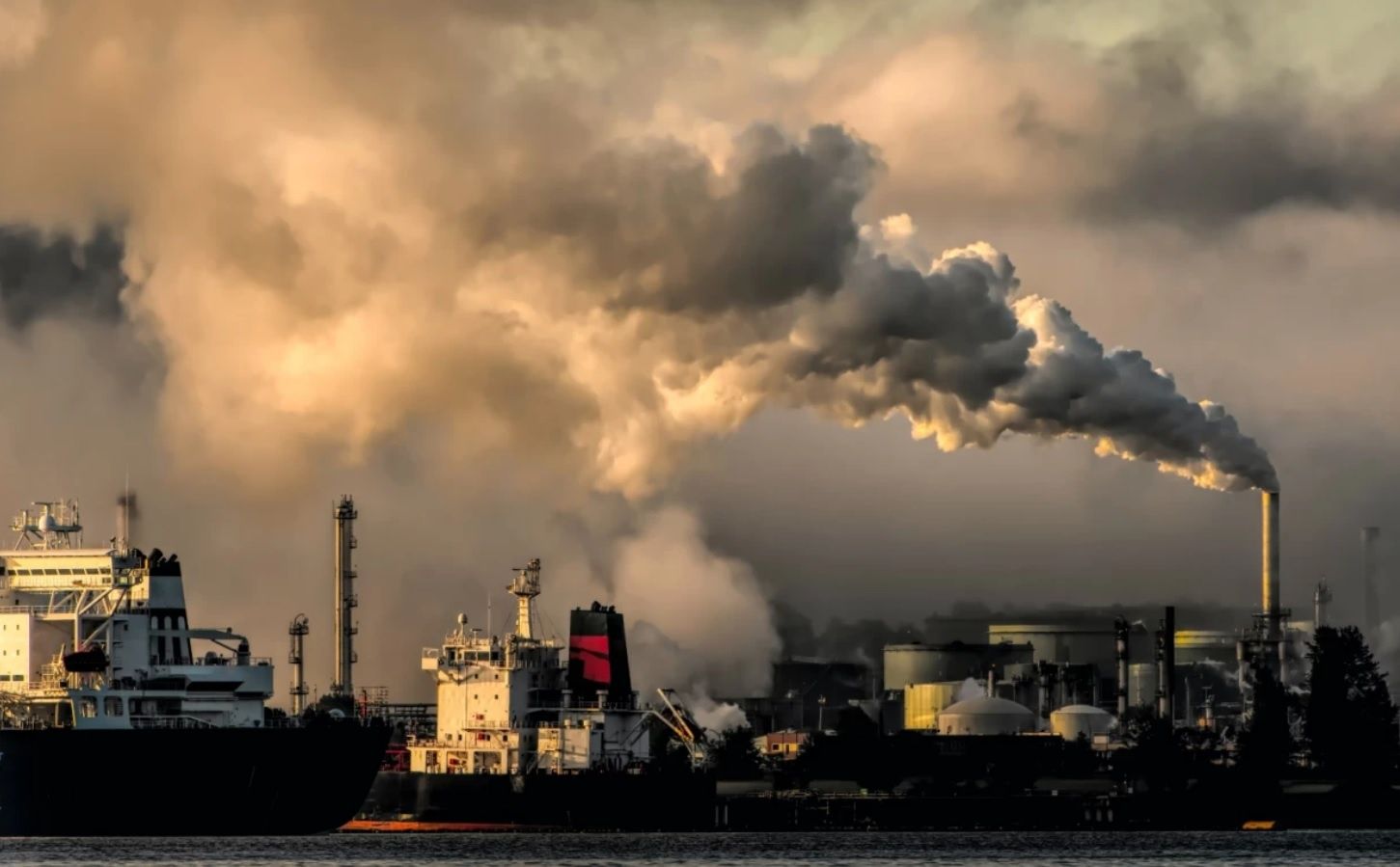
📷 Image source: sciencebasedmedicine.org
Introduction: An Invisible Public Health Emergency
Air pollution is not merely an environmental issue; it is a pervasive and silent public health crisis. While often visualized as smog over city skylines, its most dangerous components are frequently invisible to the naked eye. These microscopic particles and gases penetrate our bodies with every breath, initiating a cascade of biological effects far beyond the lungs.
According to sciencebasedmedicine.org, the health burden of polluted air is both vast and granular, affecting populations globally while striking at the most fundamental cellular levels. The source material, published on sciencebasedmedicine.org, 2026-01-28T13:23:57+00:00, synthesizes a wide body of evidence to map this complex threat. This analysis moves past simple cause-and-effect to explore the systemic nature of the damage.
The Offending Agents: What Exactly Are We Breathing?
Defining PM2.5 and Other Key Pollutants
To understand the health effects, one must first identify the culprits. Air pollution is a mixture of various components, but a few are particularly harmful. Particulate Matter (PM) is a primary concern, especially fine particles with a diameter of 2.5 micrometers or smaller, known as PM2.5. For scale, a single strand of human hair is about 70 micrometers wide. These particles are small enough to bypass the body's natural respiratory defenses.
Other major pollutants include ground-level ozone (O3), nitrogen dioxide (NO2), sulfur dioxide (SO2), and carbon monoxide (CO). Each has distinct sources, from vehicle exhaust and industrial emissions to chemical reactions in the atmosphere. The sciencebasedmedicine.org analysis indicates that it is often the chronic, low-level exposure to this cocktail of pollutants, rather than acute incidents, that drives the greatest long-term disease burden.
Gateway to Harm: The Pulmonary System Under Assault
From Irritation to Chronic Disease
The most direct impact of air pollution is on the respiratory system. Inhaled particles and gases cause inflammation and irritation in the airways. This can manifest immediately as coughing, wheezing, and shortness of breath, particularly in individuals with pre-existing conditions like asthma. According to the source, evidence strongly links pollution exposure to increased asthma attacks and emergency room visits.
Over the long term, this sustained inflammatory state can lead to the development and progression of chronic obstructive pulmonary disease (COPD). The damage is not limited to exacerbating existing problems; pollution is implicated in initiating new disease. The mechanisms involve oxidative stress and direct damage to lung tissue, gradually reducing lung function and resilience over a lifetime of exposure.
A Cardiovascular Storm: When Pollution Hits the Heart
The Systemic Journey of Inhaled Particles
Perhaps the most significant revelation in modern environmental health is pollution's profound effect on the cardiovascular system. Fine PM2.5 particles do not remain in the lungs. They can cross into the bloodstream, triggering widespread inflammation. This, according to sciencebasedmedicine.org, promotes atherosclerosis—the hardening and narrowing of arteries—which is a root cause of heart attacks and strokes.
Furthermore, pollutants can disrupt the autonomic nervous system, which regulates heart rate and blood pressure. This disruption can lead to arrhythmias (irregular heartbeats) and hypertension. The risk is not theoretical; population studies consistently show higher rates of heart attacks, strokes, and heart failure in areas with elevated PM2.5 levels, even after accounting for other lifestyle factors. The cardiovascular toll represents a major portion of pollution's global health impact.
The Neurological Connection: Pollution and the Brain
Cognitive Decline and Neurodevelopmental Risks
Emerging research points to a disturbing link between air quality and brain health. The same inflammatory and oxidative pathways that harm the heart also appear to damage neural tissue. Ultrafine particles may even travel directly to the brain via the olfactory nerve. According to the reviewed evidence, long-term exposure to high pollution is associated with an accelerated rate of cognitive decline in older adults and may increase the risk of neurodegenerative diseases like Alzheimer's.
For the developing brain, the risks are particularly acute. Exposure in utero and during early childhood has been correlated with neurodevelopmental issues, including increased risk of attention-deficit/hyperactivity disorder (ADHD) and potentially autism spectrum disorders, though the source notes the exact nature of this relationship requires further study. This underscores pollution as a threat to cognitive capital across the entire lifespan.
Beyond the Lungs and Heart: Systemic and Oncological Effects
Diabetes, Cancer, and Broader Metabolic Disruption
The systemic inflammation driven by pollution has ripple effects across multiple organ systems. A robust body of evidence now links exposure to an increased risk of developing type 2 diabetes. Pollutants are thought to interfere with insulin sensitivity and pancreatic function, contributing to the global diabetes epidemic. This connection highlights how an environmental factor can directly influence a major metabolic disorder.
Furthermore, several components of air pollution are established carcinogens. The International Agency for Research on Cancer (IARC) classifies outdoor air pollution and particulate matter as Group 1 carcinogens, meaning there is sufficient evidence they cause cancer in humans. Lung cancer is the most strongly associated, but links to bladder cancer have also been observed. The mechanisms involve direct DNA damage from particles and chronic inflammation creating a pro-cancer environment in tissues.
Vulnerable Populations: The Unequal Burden of Bad Air
Why Risk Is Not Distributed Equally
The health impacts of air pollution are not borne equally. Certain groups face disproportionately higher risks. Children are vulnerable due to their developing organs, higher breathing rates relative to body size, and more time spent outdoors. The elderly often have pre-existing health conditions that pollution exacerbates. Individuals with chronic heart or lung diseases form a sensitive subgroup for whom poor air quality can be immediately dangerous.
Socioeconomic status is a major determinant of exposure and resilience. Lower-income communities are more likely to be located near highways, industrial zones, and other pollution sources, a pattern of environmental injustice observed globally. Furthermore, access to healthcare, nutrition, and clean indoor air (via filtration systems) can mediate the effects, creating a stark health equity issue where the most disadvantaged suffer the most from a hazard they did the least to create.
The Global Landscape: A Problem Without Borders
Contrasting Challenges in Developed and Developing Nations
While air pollution is a universal challenge, its sources and severity vary dramatically by region. In many high-income countries, regulatory successes have significantly reduced pollutants like sulfur dioxide and lead. The remaining challenge often centers on PM2.5 and ozone from traffic and agriculture. In contrast, many low- and middle-income nations face a double burden: legacy pollution from industrialization and household air pollution from the burning of solid fuels (like wood or dung) for cooking and heating.
This household air pollution, primarily affecting women and children, is a massive but often overlooked contributor to global disease. The World Health Organization (WHO) estimates it causes millions of premature deaths annually from pneumonia, stroke, and heart disease. Thus, the global fight against air pollution requires tailored strategies that address both the modern urban smog of megacities and the traditional smoke inside rural homes.
Measuring the Impact: From Personal Risk to Planetary Burden
Understanding DALYs and Population-Level Assessments
Quantifying the health impact of pollution requires specific metrics. Epidemiologists often use measures like Disability-Adjusted Life Years (DALYs). One DALY represents the loss of one year of full health. This metric combines the years of life lost to premature death with years lived with disability. According to the synthesis on sciencebasedmedicine.org, air pollution consistently ranks among the top global risk factors for total DALYs lost, alongside high blood pressure, smoking, and dietary risks.
This population-level assessment is crucial for policymakers. It moves the discussion beyond individual case studies to a measurable burden on healthcare systems and societal productivity. The data makes clear that improving air quality is not just an environmental goal but a highly effective public health intervention with quantifiable returns in longer, healthier lives and reduced medical costs.
Mitigation and Adaptation: Pathways to Cleaner Air and Health
Policy, Technology, and Personal Protection
Addressing the health effects requires a two-pronged approach: mitigation (reducing pollution at the source) and adaptation (protecting health despite existing pollution). Effective mitigation involves stringent regulations on industrial emissions, a transition to clean energy and electric transportation, and urban planning that promotes public transit and green spaces. The success of such policies in improving health outcomes has been documented in cities that have hosted major events like the Olympics, where temporary traffic restrictions led to measurable drops in cardiovascular hospitalizations.
On a personal level, adaptation strategies can reduce exposure. Monitoring local air quality indices (AQI) and avoiding strenuous outdoor activity on poor air days is advised. Using high-efficiency particulate air (HEPA) filters indoors can create clean air sanctuaries, especially important for vulnerable individuals. However, the source notes that personal measures are a supplement to, not a replacement for, systemic pollution control, which is the only way to protect entire populations.
Uncertainties and Research Frontiers
What We Still Need to Learn
Despite the strong established links, key uncertainties remain. The exact biological mechanisms for some associations, like those with neurodegenerative diseases, are still being unraveled. The health impact of newer pollutant mixtures, including nanoparticles and specific industrial chemicals, is an active area of research. Furthermore, understanding potential synergistic effects—where pollution combined with other risks like heat stress or viral infections creates worse outcomes—is critical in a changing climate.
The source from sciencebasedmedicine.org explicitly notes these gaps, emphasizing that the science is evolving. There is also a need for more longitudinal studies that track individual exposure and health outcomes over decades to solidify causal inferences. This ongoing research is vital to refine regulatory standards and target interventions for maximum health benefit.
Perspektif Pembaca
The health implications of air pollution connect global policy to the air in our own neighborhoods. Its effects touch on issues of equity, urban design, energy policy, and personal health.
We invite your perspective based on your own context and observations. Have you noticed local changes in air quality over time, and what do you believe has been the primary driver—changes in traffic, industry, or green spaces? From your viewpoint, what is the single most important barrier or leverage point for achieving meaningful, long-term improvements in air quality where you live?
#AirPollution #PublicHealth #PM2_5 #EnvironmentalHealth #CardiovascularDisease


