

Backdraft's Unlikely Return: The Untold Story of a Direct-to-Video Sequel and a Legacy Rekindled

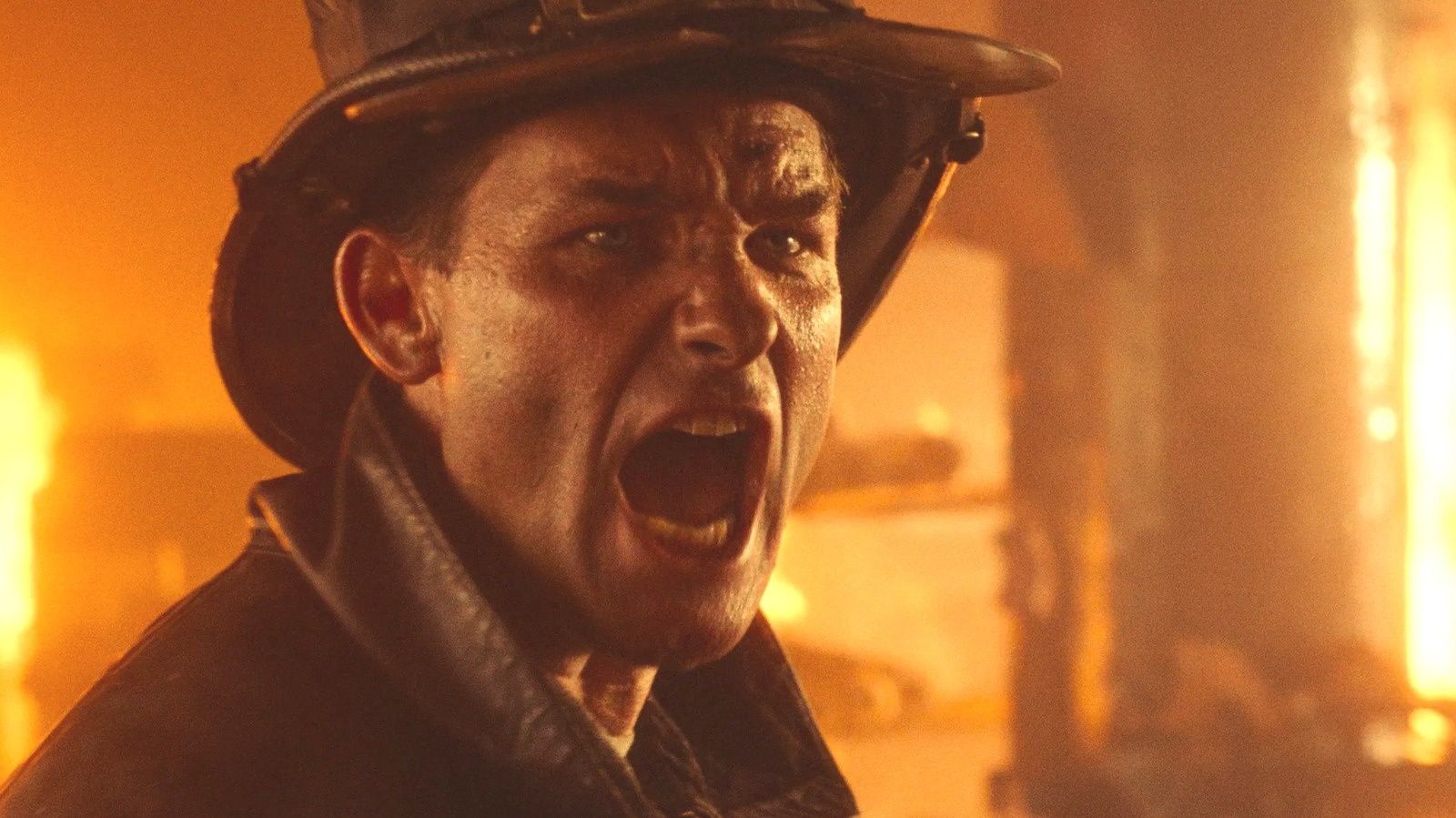
📷 Image source: slashfilm.com
A Blast from the Past
The Original Inferno
In 1991, director Ron Howard unleashed 'Backdraft' into theaters, a film that would become the definitive firefighter movie for a generation. Starring Kurt Russell, William Baldwin, Robert De Niro, and Donald Sutherland, it blended high-stakes action with a gritty family drama set within the Chicago Fire Department. The film was celebrated for its then-groundbreaking practical fire effects and its intense portrayal of the brotherhood and dangers of firefighting.
According to slashfilm.com, the movie was a substantial hit, grossing over $152 million worldwide against a $40 million budget. Its legacy extended beyond the box office, embedding phrases like 'backdraft'—a deadly fire phenomenon where a sudden influx of oxygen causes an explosion—into popular culture. For over three decades, it remained a standalone classic, with no major studio sequel ever materializing despite the original's enduring popularity on cable and home video.
The Unexpected Spark
A Sequel from the Shadows
The narrative, as reported by slashfilm.com on 2026-02-22T18:00:00+00:00, takes a surprising turn. In 2019, a direct-to-video sequel titled 'Backdraft 2' was quietly released. This follow-up arrived with no fanfare, major marketing campaign, or theatrical release, bypassing the traditional Hollywood sequel pipeline entirely. Its existence became a point of curiosity and confusion for fans of the original film.
This production model is distinct from the standard studio sequel. Direct-to-video films, sometimes called straight-to-video or made-for-video, are produced for initial release on home media formats like DVD, Blu-ray, or digital platforms, rather than for a cinematic run. The budget, scale, and promotional efforts for such projects are typically far more modest than their theatrical counterparts, which immediately sets different expectations for the audience.
A New Generation in the Hot Zone
Shifting the Focus
'Backdraft 2' does not center on the original McCaffrey brothers, played by Kurt Russell and William Baldwin. Instead, the sequel follows Sean McCaffrey, the son of Russell's character Stephen 'Bull' McCaffrey. Sean, portrayed by actor Joe Anderson, is an investigator for the Office of the Fire Marshal (OFM) in Chicago, delving into a case involving a deadly arsonist.
The torch, so to speak, is passed to a new character, with the original stars making only minimal appearances. According to the source material, Kurt Russell's involvement was limited to a brief cameo. William Baldwin did not return, and Donald Sutherland's character, Ronald Bartel, is reported to have been killed off-screen. This represents a significant creative pivot, choosing to build on the franchise's name and setting rather than its original cast.
The Creative Engine
Who Steered the Sequel?
The sequel was directed by Gonzalo López-Gallego, a Spanish filmmaker known for thrillers and genre pieces, rather than a household name in major American studio filmmaking. The screenplay was written by Gregory Widen, who holds a unique position in this story. Widen was the original creator, having written the screenplay for the 1991 'Backdraft'.
His return to write the sequel, nearly three decades later, provides a thread of continuity. However, the absence of director Ron Howard and producers like Brian Grazer and Raffaella De Laurentiis from the 2019 project indicates a fundamentally different production entity and creative vision. The sequel was produced by Universal 1440 Entertainment, a division of Universal Pictures Home Entertainment focused specifically on direct-to-video content.
Five Key Numbers: Understanding the 'Backdraft' Journey
A Frame of Analysis
This article employs the 'Five Key Numbers' framework to dissect the unusual trajectory from blockbuster to low-profile sequel. This structure helps quantify and clarify the scale, gap, and context of the 'Backdraft' phenomenon, moving beyond subjective critique to highlight factual milestones.
The first key number is 28. This represents the years between the original film's release in 1991 and the sequel's debut in 2019. Such a lengthy hiatus is uncommon in an industry that often capitalizes on brand recognition quickly. Most legacy sequels or reboots arrive within 10 to 20 years of the original, aiming to capture both nostalgic older audiences and new viewers. A 28-year gap suggests a dormant property, making the sequel's emergence more unexpected.
The Budget Divide
Second Key Number
The second pivotal figure is 40, as in $40 million. This was the reported production budget for Ron Howard's 1991 'Backdraft,' a substantial sum for its time that funded extensive practical effects, star salaries, and location shooting in Chicago. This investment was visible on screen in the film's large-scale fire sequences and production value.
In stark contrast, the budget for 'Backdraft 2' was not publicly disclosed by the studio, but the direct-to-video model and its production scale strongly suggest it was a fraction of the original's. This financial reality directly impacts the sequel's scope, effects work (which relied more on computer-generated imagery), and ability to secure A-list cast members, creating a different tier of filmmaking from the outset.
The Casting Chasm
Third and Fourth Key Numbers
The third number is 1. This refers to the number of original main cast members from the 1991 film who returned for a substantive role in the sequel. According to slashfilm.com, only Kurt Russell returned, and his participation was confined to a cameo appearance. William Baldwin, Robert De Niro, and Donald Sutherland did not reprise their roles.
The fourth number is 0. This represents the number of theatrical screens 'Backdraft 2' opened on in major markets like the United States. Its release was exclusively through home entertainment channels—digital rental, purchase, and physical media like DVD and Blu-ray. This distribution strategy automatically limited its potential audience reach and cultural footprint compared to a wide theatrical release, placing it in a different category of film consumption.
The Legacy Metric
Fifth Key Number
The fifth and final key number is 152. This is the global box office gross, in millions of U.S. dollars, for the original 'Backdraft.' This commercial success cemented its place as a hit and contributed to its long-term viability as a recognizable brand. The sequel had no comparable box office metric, as its success would be measured by home video sales figures and streaming performance, metrics that are rarely published with the same prominence as theatrical earnings.
This disparity in success measurement underscores the different economic models at play. The original was a tentpole theatrical event, while the sequel operates in the ecosystem of library content and direct consumer sales, where profitability thresholds are lower but visibility is significantly reduced.
The Direct-to-Video Ecosystem
A Parallel Hollywood
The existence of 'Backdraft 2' is less bizarre when viewed within the context of the direct-to-video industry. For decades, major studios have operated divisions like Universal 1440 Entertainment to produce sequels, prequels, and spin-offs of their well-known properties specifically for the home market. Titles like 'The Lion King 1½,' 'American Pie Presents: Band Camp,' and numerous Marvel animated features followed this path.
This model serves multiple purposes: it monetizes intellectual property with lower financial risk, satisfies niche fan demand, and provides a steady stream of content for retail shelves and digital storefronts. The strategy is global, with these titles often performing well in international markets where specific genres or brands have strong followings, regardless of critical reception in the original film's home country.
Audience and Critical Reception
A Muted Response
Without a theatrical release to generate widespread reviews, critical reception to 'Backdraft 2' was limited to niche film websites and user reviews on platforms like IMDb. The consensus, where one formed, typically noted the film's clear lower budget and lack of star power compared to the original, while sometimes crediting its attempt to continue the story in a procedural crime format.
Audience discovery was primarily through algorithm-driven recommendations on digital storefronts or physical media browsing. For every fan who sought it out due to nostalgia for the 1991 film, many others likely encountered it by accident. This passive discovery process is a hallmark of the direct-to-video market, where marketing is minimal and the title must often sell itself based on brand name alone once a potential viewer sees its cover art or listing.
The Broader Impact on Film Legacy
Dilution or Expansion?
The release of such sequels raises questions about the stewardship of film legacies. Does a lower-budget, lower-profile sequel dilute the power of the original classic, potentially confusing newer audiences about the brand's quality? Or does it simply expand the universe for dedicated fans who desire more stories within that world, however modestly produced?
There is no universal answer. The impact varies by property and execution. For some franchises, direct-to-video entries have become cherished cult items. For others, they are forgotten footnotes. The risk for the original film's reputation is generally low, as the cultural memory of the landmark original remains distinct. The sequel exists in its own separate lane, appealing to a different set of commercial and creative parameters.
Technical and Practical Shifts
From Practical to Digital
A key difference between the two films lies in their approach to fire. The original 'Backdraft' was renowned for its use of practical effects—real, controlled fire shot on set or on location. This methodology contributed to the film's visceral, dangerous feel and was a major point of praise. The techniques involved careful coordination with real firefighting experts and stunt teams.
While specific details on the effects of 'Backdraft 2' are not extensively documented in the source material, the direct-to-video budget and modern filmmaking norms strongly suggest a greater reliance on computer-generated imagery (CGI) for its fire sequences. This shift from practical to digital is a common trade-off in lower-budget filmmaking, affecting the texture and perceived authenticity of the action, even if it allows for more complex shots at a lower physical risk.
Reader Perspective
Your Take on Legacy Sequels
The story of 'Backdraft 2' is a case study in how Hollywood manages its older properties. It reflects a business decision to leverage a known title within a specific, lower-risk market segment. Its existence is a footnote for most, but a curious artifact for fans of the original.
What is your perspective on this model? When a beloved film from your past receives a direct-to-video sequel made decades later, does it affect your view of the original? Do you seek out these legacy sequels out of curiosity, actively avoid them to preserve your memory of the classic, or find that they simply exist in a separate space that doesn't intersect with your fandom? Share your experiences and thoughts on how film legacies are extended in the modern content landscape.
#Backdraft #MovieSequel #DirectToVideo #FilmHistory #Hollywood


