

The Unregulated Rush for Peptides: How a Dubious Wellness Trend Found a Political Champion

📷 Image source: sciencebasedmedicine.org
From Niche Biohacking to Mainstream Craze
The Unproven Promises Fueling a Multi-Billion Dollar Market
Across the United States, a new class of substances has vaulted from the shadows of specialized clinics and online forums into the bright lights of mainstream wellness culture. These are peptides, short chains of amino acids that are being aggressively marketed for everything from reversing aging and melting fat to boosting libido and sharpening cognition. The frenzy, largely unfolding in a regulatory gray area, has now found a prominent and unexpected advocate in independent presidential candidate Robert F. Kennedy Jr.
According to a report from sciencebasedmedicine.org, Kennedy has not only endorsed their use but has directly profited from the peptide industry, serving as a paid promoter for a Nevada-based telehealth company. This intersection of political influence and an under-regulated health trend raises significant questions about safety, evidence, and the powerful allure of simple solutions to complex human desires.
RFK Jr.'s Financial Stake in the Peptide Boom
Promoting Unapproved Drugs While Campaigning for Office
The report details a direct financial link between the candidate and the peptide market. In 2023, Robert F. Kennedy Jr. was paid $150,000 by The Wellness Company, a firm that operates a telehealth service specifically for prescribing peptides and other compounded medications. His role involved starring in promotional videos where he touted peptides as part of a 'regimen' for recovering from a previously undisclosed health issue.
This arrangement continued even after he announced his presidential run. The connection underscores how the peptide craze is not merely a cultural phenomenon but a commercial enterprise with influential backers. Kennedy's advocacy lends a veneer of credibility to treatments that largely lack the rigorous safety and efficacy testing required for FDA-approved pharmaceuticals.
What Are Peptides, Really?
Separating Biochemical Fact from Marketing Fiction
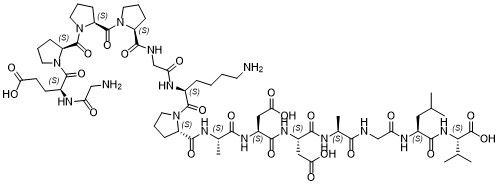
To understand the controversy, one must first understand what peptides are. Scientifically, they are small proteins, molecules made of short chains of amino acids. The body naturally produces countless peptides that perform vital signaling functions, telling cells to grow, communicate, or repair. Several peptide-based drugs, developed through rigorous clinical trials, are legitimate FDA-approved medicines for conditions like diabetes and multiple sclerosis.
The issue lies with the flood of non-FDA-approved peptides sold directly to consumers for off-label and often unproven uses. These are frequently marketed as 'research chemicals' or compounded for individual patients, loopholes that allow them to bypass the conventional drug approval pathway. The claims made for these versions—rapid weight loss, muscle growth, cognitive enhancement—are typically based on preliminary animal studies, anecdotal reports, or the substance's theoretical mechanism, not conclusive human trials.
The Regulatory Black Hole of Compounding and 'Research'
How a Legal Gray Area Enables Widespread Use
The peptide market thrives in a regulatory gap. While the FDA approves specific peptide drugs for specific uses, it exercises enforcement discretion over pharmacy compounding. This allows specialized pharmacies to create custom peptide formulations for individual patients based on a prescription. However, as the sciencebasedmedicine.org report notes, many telehealth operations essentially rubber-stamp prescriptions after cursory online consultations, turning this medical exception into a direct-to-consumer sales pipeline.
Another common avenue is the sale of peptides labeled 'for research use only' (RUO) or 'not for human consumption.' These products are legally intended for laboratory studies, but they are openly marketed and sold online to individuals who clearly intend to inject them. This creates a dangerous scenario where consumers self-administer substances of unknown purity, potency, and sterility, with little to no medical supervision.
Documented Risks and Side Effects
Beyond the Hype Lies Potential for Harm
The safety profile of these widely available, non-approved peptides is poorly understood. Medical literature and adverse event reports, however, highlight tangible risks. Patients have reported severe skin reactions, worsened autoimmune conditions, hormonal imbalances, and cardiovascular issues. One of the most significant dangers is the risk of infection from non-sterile preparation or injection.
Furthermore, because these peptides are potent biological signaling molecules, their long-term effects are unknown. Tampering with complex systems like growth hormone secretion or immune function without understanding the full consequences can have downstream health impacts that are not immediately apparent. The lack of large-scale, controlled studies means users are essentially participating in an uncontrolled, population-wide experiment.
The Allure of the 'Biohacking' Narrative
Why the Message Resonates in Modern Wellness Culture
The peptide craze taps into powerful cultural currents: the desire to optimize the human body, distrust of large pharmaceutical companies and regulatory bodies, and the appeal of taking health 'into your own hands.' Proponents often frame their use as cutting-edge 'biohacking'—a rational, science-adjacent pursuit of enhancement. This narrative is compelling, especially when paired with personal testimonials and the endorsement of figures like RFK Jr., who has built a brand on challenging established institutions.
This creates an echo chamber where anecdote is valued over evidence, and regulatory oversight is framed not as a protective measure but as an oppressive barrier to access. The complexity of real medical science is replaced by a seductive story of simple biochemical levers that anyone can pull, given the right supplier and a willingness to bypass traditional medicine.
A Political Endorsement's Amplifying Effect
When Campaign Trail Rhetoric Meets Health Claims
Kennedy's promotion moves the issue from the realm of lifestyle influencers into the political sphere. His platform, which includes significant anti-vaccine and anti-establishment rhetoric, dovetails with the peptide industry's framing of itself as an alternative to mainstream medicine. By lending his voice, he amplifies the trend's visibility and legitimacy for his supporters, potentially encouraging experimentation without a balanced discussion of the risks.
The report from sciencebasedmedicine.org points out the ethical tension in a presidential candidate profiting from and promoting poorly regulated medical products. It raises questions about how such endorsements could influence public health behavior and whether they might foreshadow policy positions that favor further deregulation of drug safety frameworks.
The Path Forward: Demanding Evidence and Transparency
Navigating Between Innovation and Consumer Protection
The solution to the peptide dilemma is not to stifle legitimate scientific research, which holds real promise. The path forward requires clear distinctions. First, robust, transparent clinical trials are needed to separate potentially beneficial peptide therapies from worthless or dangerous ones. Second, regulatory agencies like the FDA must receive the resources and public support to effectively police the illegal sale of non-approved peptides masquerading as research chemicals.
For consumers, extreme caution is warranted. Any medical treatment, especially one involving injection, should be undertaken with a trusted healthcare provider based on a legitimate diagnosis, not a marketing video. The core principle of evidence-based medicine—that claims must be backed by rigorous, reproducible data—remains the best defense against the siren song of quick fixes and uncharted biochemical adventures. As this trend shows, when that principle is abandoned, a vacuum is created, one all too easily filled by profit-driven promotion, even from the highest levels of public life.
#Peptides #RFKJr #Wellness #FDA #HealthTrends


