

Bitcoin Mining's Surprising Potential to Cut Electricity Costs Faces Grid Integration Hurdles

📷 Image source: cryptoslate.com
The Unlikely Power Bill Solution
How Bitcoin miners could reshape energy economics
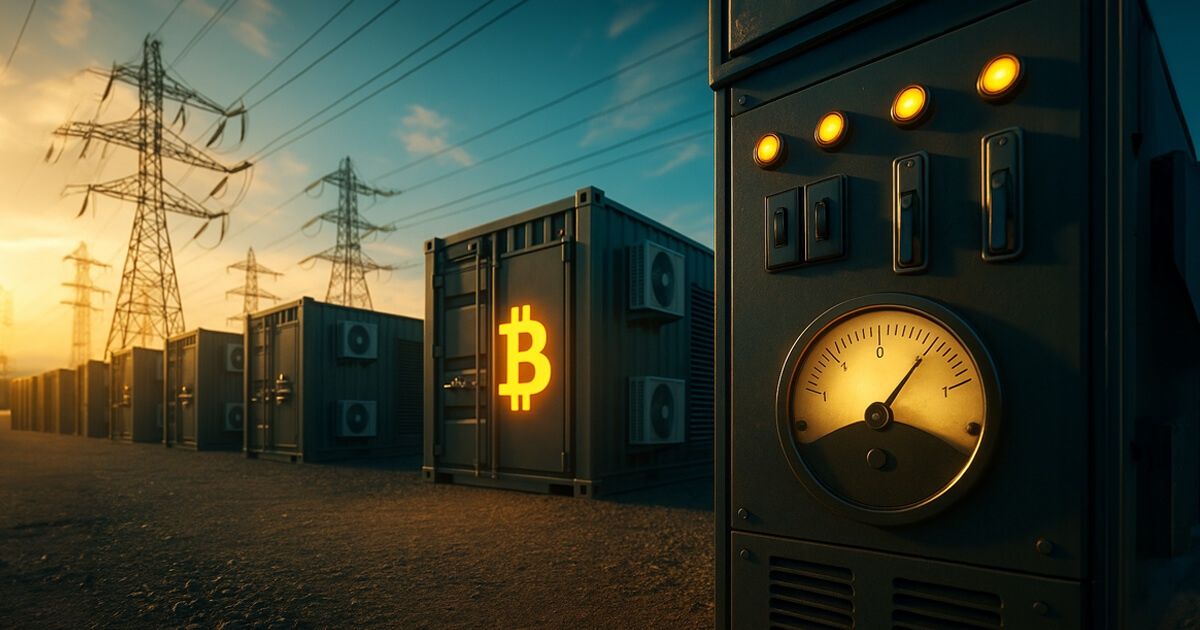
Imagine opening your electricity bill to find lower charges than expected, with Bitcoin miners partially responsible for the savings. According to cryptoslate.com, this counterintuitive scenario represents a genuine possibility that could transform how we think about energy consumption and digital asset mining. The concept hinges on Bitcoin mining operations serving as flexible energy consumers that can rapidly adjust their power usage based on grid demands.
Published on November 17, 2025, the report suggests these mining facilities could effectively act as 'shock absorbers' for electrical grids, reducing strain during peak hours and potentially lowering costs for all consumers. This approach challenges the common perception of cryptocurrency mining as purely energy-intensive, instead positioning it as a potential grid stabilization tool. The key question remains: will energy infrastructure providers embrace this unconventional partnership?
The Grid Flexibility Mechanism
Understanding the demand-response dynamics
The core mechanism involves Bitcoin miners voluntarily reducing their energy consumption during periods of high grid demand, then ramping back up when excess power becomes available. According to cryptoslate.com, this flexibility creates what energy experts call 'demand response' capabilities that can prevent blackouts and reduce the need for expensive peak-power generation plants. Traditional industries often cannot quickly scale their energy usage up or down without disrupting operations, but Bitcoin mining facilities can theoretically power down within minutes.
This rapid response capability positions cryptocurrency mining operations as ideal candidates for grid stabilization services. When electricity demand spikes during heatwaves or cold snaps, miners could temporarily reduce operations, freeing up power for residential and essential services. During periods of low demand, they could consume surplus energy that might otherwise go to waste, particularly from intermittent renewable sources like solar and wind farms.
Current Grid Limitations
Infrastructure barriers preventing implementation
Despite the theoretical benefits, significant infrastructure limitations currently prevent widespread adoption of this approach. The cryptoslate.com report indicates that many electrical grids lack the sophisticated communication systems and incentive structures needed to coordinate with Bitcoin mining operations effectively. Most grids were designed for predictable, steady consumption patterns rather than the dynamic load management that mining facilities could provide.
Another critical barrier involves regulatory frameworks that haven't evolved to accommodate this type of energy partnership. Utilities often operate under strict rules that don't recognize Bitcoin mining as a grid service provider, creating legal and operational hurdles. Without updated regulations and technical standards, the potential for miners to contribute to grid stability remains largely untapped across most regions.
Renewable Energy Integration
Harnessing excess green power production
Bitcoin mining could play a particularly valuable role in optimizing renewable energy utilization. Solar and wind farms frequently generate more electricity than grids can immediately use, especially during midday sun peaks or windy nights. According to cryptoslate.com, this surplus renewable energy often gets curtailed—essentially wasted—because storage solutions like batteries remain expensive and limited in capacity.
Cryptocurrency mining operations could absorb this excess renewable generation, providing revenue to clean energy producers while ensuring less green power goes unused. This symbiotic relationship could improve the economics of renewable energy projects, potentially accelerating the transition away from fossil fuels. The report suggests that strategically located mining facilities near solar and wind farms could create more stable revenue streams for renewable developers while supporting grid reliability.
Economic Benefits for Consumers
How households could see direct savings
The potential consumer savings stem from reduced need for what energy economists call 'peaker plants'—expensive power generation facilities that operate only during periods of highest demand. These plants typically use costly fuels and require significant infrastructure investments, costs that ultimately get passed to consumers through higher electricity rates. If Bitcoin miners can reduce peak demand through flexible consumption, utilities might avoid activating these expensive resources.
According to the analysis from cryptoslate.com, the resulting savings could translate to lower overall electricity costs for residential customers. Additionally, by providing a reliable demand source for excess energy, miners could help stabilize wholesale power prices that influence retail rates. This economic benefit would be most pronounced in regions with volatile energy markets or frequent supply constraints during extreme weather events.
Technical Implementation Challenges
The practical hurdles for widespread adoption
Implementing this vision requires solving several technical challenges. Mining operations need sophisticated monitoring and control systems to respond instantly to grid signals without compromising their equipment or profitability. The cryptoslate.com report highlights that not all mining hardware can handle frequent power cycling without reduced lifespan or performance issues, creating technical constraints that must be addressed.
Grid operators similarly require advanced forecasting tools and communication protocols to coordinate with multiple mining facilities simultaneously. The complexity increases when considering different types of mining operations—from large industrial facilities to smaller distributed setups—each with varying capabilities and response times. Developing standardized interfaces and reliability metrics represents a significant engineering challenge that industry participants are only beginning to tackle.
Global Case Studies and Precedents
Where similar concepts have shown promise
While the full vision remains largely theoretical in most regions, early experiments demonstrate the concept's potential. The cryptoslate.com report references instances where mining operations have partnered with energy providers during grid emergencies, though these have typically been ad hoc arrangements rather than systematic programs. In some regions with abundant hydropower, miners have already established operations that consume excess generation during wet seasons.
These limited examples provide valuable data points about the technical and economic feasibility of grid-integrated mining. They suggest that with proper incentives and coordination, the approach could scale significantly. However, the report cautions that successful implementation requires careful planning and location-specific strategies rather than one-size-fits-all solutions that ignore local grid characteristics and regulatory environments.
Future Regulatory Developments
Policy changes needed to enable integration
Realizing Bitcoin mining's potential for reducing power bills will likely require updated energy policies and regulations. The cryptoslate.com analysis suggests that regulators must create clear frameworks that recognize flexible load resources like mining operations as valuable grid assets. This might include establishing compensation mechanisms for demand response services or streamlining interconnection processes for mining facilities seeking to participate in grid management.
Energy markets may need to evolve to properly value the rapid response capabilities that mining operations can provide. Some experts propose creating new product categories specifically for ultra-fast demand response that traditional industrial consumers cannot deliver. Without these regulatory and market innovations, the report concludes that Bitcoin mining's potential to lower electricity costs will remain largely theoretical rather than practically accessible to most consumers.
Broader Implications for Energy Transition
Connecting cryptocurrency mining to climate goals
The intersection of Bitcoin mining and grid management raises broader questions about how digital infrastructure fits into the global energy transition. According to cryptoslate.com, properly integrated mining operations could potentially accelerate renewable energy adoption by improving the economics of clean power projects. This perspective challenges the common narrative that cryptocurrency mining inherently conflicts with environmental objectives.
However, the report emphasizes that positive outcomes depend heavily on implementation details and regulatory oversight. Without proper standards and monitoring, mining could instead exacerbate grid challenges or increase emissions in some regions. The ultimate impact on both electricity bills and carbon emissions will be determined by how thoughtfully energy providers, regulators, and mining operators collaborate to develop mutually beneficial arrangements that serve broader societal interests alongside commercial objectives.
#Bitcoin #Energy #Grid #RenewableEnergy #CryptoMining


