

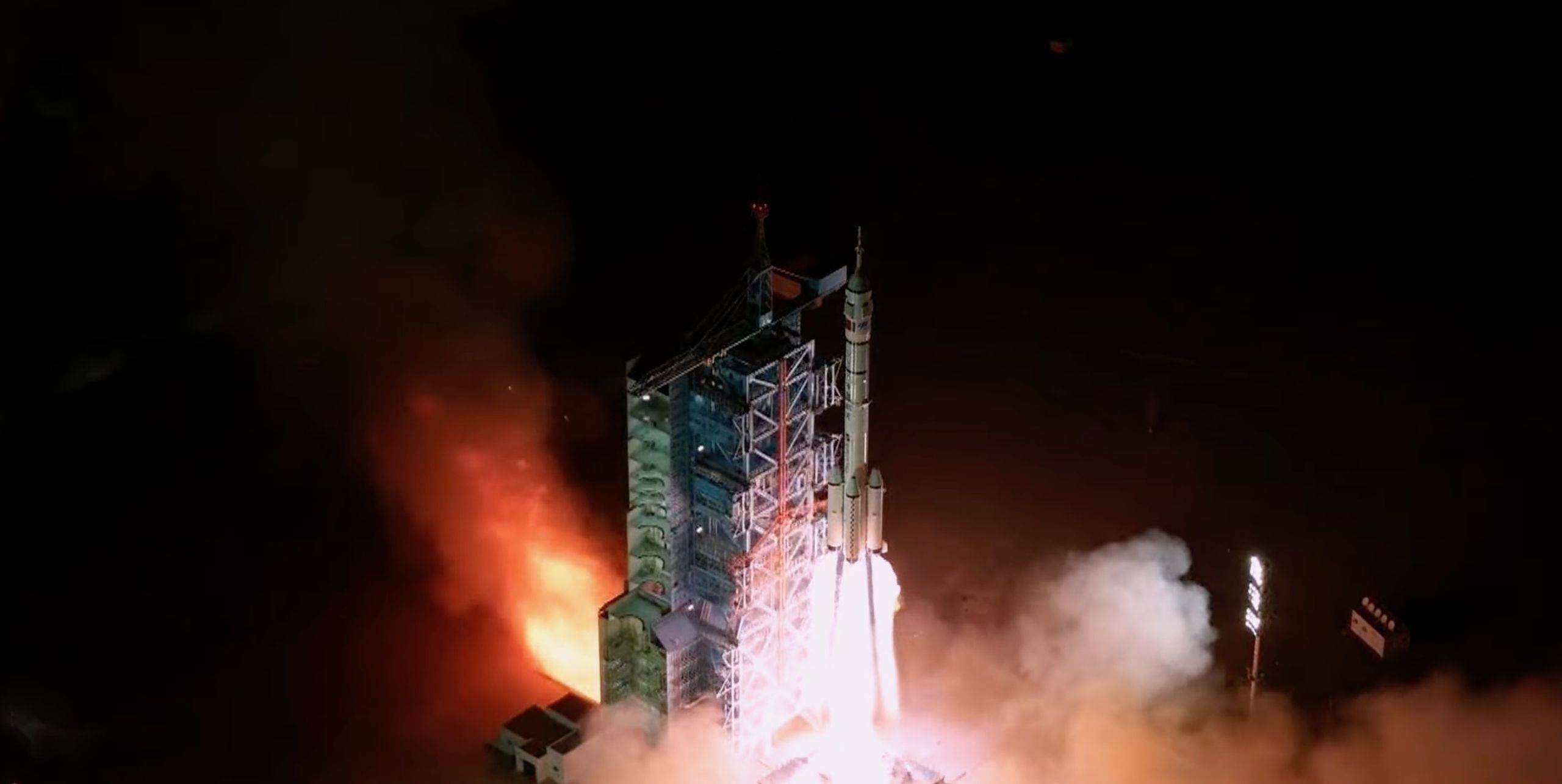
Chinese Astronauts Face Extended Stay on Tiangong Space Station Amid Technical Delay

📷 Image source: cdn.mos.cms.futurecdn.net
Unplanned Extension in Orbit
Shenzhou-21 crew's return postponed indefinitely
Three Chinese astronauts currently aboard the Tiangong space station are facing an unexpected extension of their mission after technical issues delayed their planned return to Earth. According to space.com, the Shenzhou-21 crew members have been effectively stranded aboard the orbital outpost since their scheduled return date passed without the planned landing operation taking place.
The situation represents one of the more significant operational challenges China's space program has encountered during its Tiangong station operations. While the astronauts remain safe and continue their scientific work, the extended stay raises questions about contingency planning for such scenarios in human spaceflight missions. How does a space agency manage an unexpectedly prolonged mission while maintaining crew safety and mission objectives?
The Technical Hurdle
Understanding the return vehicle complication
The core issue preventing the astronauts' return involves their Shenzhou spacecraft, which serves as both their transport to the station and their lifeboat back to Earth. According to space.com reporting, unspecified technical problems with the Shenzhou-21 spacecraft have made mission controllers hesitant to proceed with the deorbit and landing sequence that would bring the crew home.
Spacecraft designed for human transport must meet extremely rigorous safety standards before attempting atmospheric re-entry, where temperatures can reach 1,650 degrees Celsius and G-forces can exceed four times Earth's gravity. The decision to delay return suggests engineers have identified potential issues that could compromise the vehicle's ability to safely navigate this dangerous phase of spaceflight. What specific systems might be causing concern remains unclear from available information.
Life Aboard Tiangong Continues
Astronauts maintain station operations amid uncertainty
Despite the unexpected extension of their mission, the three crew members continue to perform their regular duties aboard the Tiangong space station. According to space.com, the astronauts are maintaining the station's systems and conducting scientific experiments while engineers on the ground work to resolve the technical issues preventing their return.
The psychological aspect of an unexpectedly extended space mission presents its own challenges. Astronauts train extensively for specific mission durations, and sudden changes to the timeline can test even the most prepared spacefarers. The crew's ability to adapt to this new reality speaks to their professionalism and the robustness of China's astronaut selection and training program.
Space Station Logistics Under Strain
Supplies and resources for extended stay
An unplanned extension of a space station mission immediately raises questions about consumables—oxygen, water, food, and power. According to space.com's reporting, the Tiangong space station is designed with redundancy and reserve capacity, but every additional day in orbit consumes resources that were allocated for specific mission timelines.
Space stations typically maintain emergency supplies that can sustain crews beyond planned mission durations, but these reserves are finite. The situation highlights the delicate balance of resource management required for continuous human presence in space. Mission controllers must now calculate whether supplies aboard Tiangong can support the crew through the extended stay or if contingency resupply measures might become necessary.
Historical Context of Space Strandings
Precedents in human spaceflight history
While concerning, extended stays in space due to technical issues have occurred before in the history of space exploration. According to space.com's coverage of space history, both American and Russian programs have experienced similar situations where astronauts remained in orbit longer than planned due to vehicle problems or weather conditions preventing landing.
The most famous example occurred in 1970 when Apollo 13 astronauts famously used their lunar module as a lifeboat after an oxygen tank explosion, extending their mission while engineers developed emergency procedures for their safe return. More recently, various Space Shuttle missions experienced landing delays due to weather, though these typically lasted only days rather than indefinite periods. How does China's current situation compare to these historical precedents in terms of complexity and risk?
China's Space Program at a Crossroads
Testing the maturity of human spaceflight capabilities
This incident represents a significant test for China's human spaceflight program, which has largely proceeded without major public setbacks since its first crewed mission in 2003. According to space.com analysis, how China manages this situation will demonstrate the program's maturity and resilience in dealing with unexpected challenges.
Space programs worldwide learn as much from overcoming difficulties as from smooth operations. The Apollo program's success was built on solving numerous technical problems, while the Space Shuttle program implemented hundreds of improvements following the Challenger and Columbia accidents. For China's space ambitions, successfully navigating this situation could provide valuable experience for future long-duration missions, including potential lunar expeditions.
International Implications
Global space community watches developments
The situation aboard Tiangong has drawn attention from space agencies worldwide, according to space.com's reporting on international reaction. While details remain limited, the incident highlights the interconnected nature of human spaceflight, where any serious problem affects the entire spacefaring community.
Unlike the International Space Station, which has multiple spacecraft capable of serving as emergency return vehicles, Tiangong currently relies exclusively on Shenzhou spacecraft for crew transportation. This structural difference means the station lacks the built-in redundancy of having multiple vehicle types docked simultaneously, a design choice that now faces practical testing under unexpected circumstances.
The Road Ahead
Possible scenarios for resolution
According to space.com reporting, engineers are working to resolve the technical issues with the Shenzhou-21 spacecraft, though no timeline for the astronauts' return has been publicly announced. Several potential solutions likely exist, ranging from repairing the current vehicle to potentially sending a replacement spacecraft.
China has demonstrated rapid response capability in its space program previously, having launched missions on relatively short notice when required. The country's space authorities face the complex task of balancing crew safety with practical constraints of space operations. Their approach to this challenge will undoubtedly influence international perceptions of China as a reliable partner for future collaborative space endeavors.
The ultimate resolution of this situation will provide valuable insights into China's crisis management capabilities in space operations. As the space.com report concludes, the astronauts remain aboard Tiangong for now, their return date uncertain but their safety the paramount concern for mission controllers working to bring them home.
#SpaceMission #Tiangong #ChinaSpace #Astronauts #SpaceSafety


