

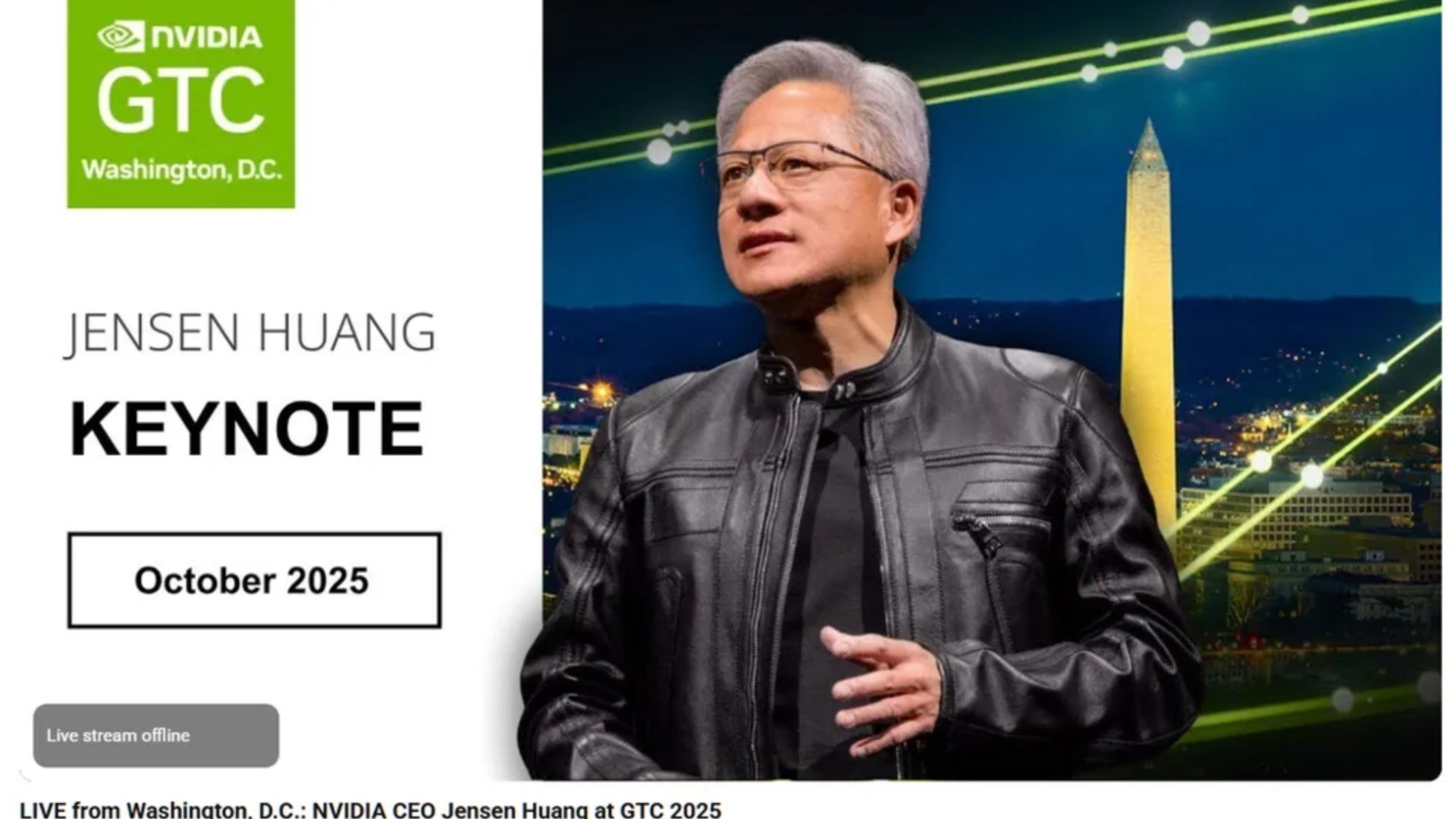
Deepfake Deception: How a Fake Jensen Huang Nvidia Presentation Lured Thousands Into Crypto Scam

📷 Image source: cdn.mos.cms.futurecdn.net
The Elaborate Deepfake Scheme
When AI Turns Against Its Creators
A sophisticated deepfake presentation featuring Nvidia CEO Jensen Huang recently deceived thousands of viewers, according to techradar.com's November 2, 2025 report. The fake keynote presentation used advanced artificial intelligence technology to create a convincing simulation of Huang promoting a fraudulent cryptocurrency scheme. The video presentation accumulated significant viewership before being identified as fraudulent, demonstrating how rapidly AI-generated content can spread across digital platforms.
Security experts note that the deepfake's technical quality made it particularly dangerous. The fake Huang displayed remarkably natural facial expressions, voice patterns, and body language that closely mimicked the real CEO's presentation style. This level of sophistication in AI-generated content represents a significant escalation in digital fraud capabilities, raising concerns about how easily even tech-savvy audiences might be deceived by increasingly convincing synthetic media.
Technical Execution Analysis
How the Scam Operated
The fraudulent presentation replicated Nvidia's typical keynote aesthetics with impressive accuracy. Scammers recreated the company's signature visual design elements, including background graphics, lighting effects, and stage setup that mirrored genuine Nvidia events. The deepfake technology employed facial mapping and voice synthesis that captured Huang's distinctive speaking patterns and mannerisms, creating a convincing illusion for viewers who didn't scrutinize the content carefully.
According to techradar.com's analysis, the scammers used sophisticated AI tools that are becoming increasingly accessible to malicious actors. These tools can generate realistic human representations by training on publicly available video footage and audio recordings. The technology has advanced to the point where it can simulate natural eye movements, facial micro-expressions, and even subtle vocal inflections that make synthetic content difficult to distinguish from genuine recordings without careful technical analysis.
Cryptocurrency Scam Mechanics
The Financial Trap
The deepfake presentation promoted a fraudulent cryptocurrency investment opportunity that promised unrealistic returns. The fake Huang encouraged viewers to invest in what was described as a revolutionary new digital currency backed by Nvidia's technology. The scheme used typical cryptocurrency scam tactics, including time-limited offers and false claims of exclusive access to cutting-edge technology developments.
Investors were directed to a professional-looking website that mimicked Nvidia's official online presence. The site contained fabricated testimonials and falsified performance metrics designed to create a false sense of legitimacy. Security analysts note that such schemes typically require victims to transfer cryptocurrency to digital wallets controlled by the scammers, making recovery of funds nearly impossible once the transaction is completed on the blockchain.
Viewer Response Patterns
Understanding the Deception's Reach
The fake presentation attracted thousands of viewers across multiple platforms before being removed. According to techradar.com's reporting, the video spread through social media channels, messaging apps, and targeted online advertisements. The content was strategically promoted in communities interested in cryptocurrency and technology investments, where enthusiasm about Nvidia's genuine innovations made viewers more susceptible to the fraudulent claims.
Digital literacy experts observe that the scam's success highlights ongoing challenges in media verification. Many viewers apparently accepted the presentation as genuine based on surface-level credibility indicators rather than conducting proper verification. The incident demonstrates how even obvious red flags can be overlooked when content aligns with viewers' existing interests and appears to come from trusted sources, even when those sources are skillfully fabricated.
Industry Security Implications
Corporate Digital Identity Protection
This incident represents a significant escalation in corporate impersonation attacks using AI technology. Security professionals warn that deepfake technology poses unprecedented threats to corporate communications and executive credibility. Companies like Nvidia now face the challenge of protecting their leadership's digital identity while maintaining authentic public engagement through digital channels.
According to techradar.com's security analysis, organizations must develop comprehensive strategies to combat deepfake threats. These include implementing advanced monitoring systems to detect impersonation attempts, establishing clear verification channels for official communications, and educating stakeholders about how to identify synthetic media. The rapid evolution of AI generation tools means that defensive measures must continuously adapt to address emerging threats that could undermine corporate trust and financial security.
Regulatory Landscape
Legal Frameworks for Synthetic Media
Current regulations struggle to address the rapid advancement of deepfake technology used for fraudulent purposes. Legal experts note that existing laws against fraud and impersonation provide some recourse, but the international nature of digital scams and the anonymity of cryptocurrency transactions create significant enforcement challenges. The jurisdictional complexities often allow scammers to operate across borders with limited accountability.
Lawmakers worldwide are considering new legislation specifically targeting malicious synthetic media. Proposed measures include requirements for clear labeling of AI-generated content, enhanced penalties for deepfake-enabled fraud, and improved international cooperation for tracking and prosecuting digital impersonation schemes. However, the pace of technological advancement continues to outpace regulatory responses, creating an ongoing cat-and-mouse game between scammers and authorities.
Technological Countermeasures
Fighting AI with AI
Security companies are developing advanced detection systems specifically designed to identify deepfake content. These systems use machine learning algorithms trained to recognize subtle artifacts and inconsistencies in synthetic media that might escape human detection. The technology analyzes factors like lighting inconsistencies, unnatural eye movements, and audio-visual synchronization patterns that often betray AI-generated content.
According to techradar.com's technical analysis, watermarking and digital authentication technologies offer promising approaches for verifying genuine content. Some proposals involve embedding cryptographic signatures into legitimate corporate communications that can be verified through secure channels. However, these solutions face implementation challenges, including compatibility across platforms and the need for widespread adoption to be effective against sophisticated impersonation attempts.
Psychological Vulnerabilities
Why Even Savvy Viewers Get Fooled
Human psychology plays a crucial role in the success of sophisticated digital deceptions. Cognitive biases like authority bias—where people tend to trust figures perceived as experts—make executive impersonation particularly effective. The scammers leveraged Huang's established credibility in the technology sector to bypass critical scrutiny that viewers might otherwise apply to unsolicited investment opportunities.
Security awareness specialists emphasize that confirmation bias also contributes to these scams' effectiveness. Viewers interested in cryptocurrency investments were predisposed to believe positive information about new opportunities in this space. The presentation's professional production quality and alignment with Nvidia's genuine technological leadership created a powerful combination that overrode many viewers' natural skepticism toward unsolicited financial offers.
Historical Context
Evolution of Digital Impersonation
Digital impersonation schemes have evolved significantly over the past decade. Early attempts involved simple email scams and poorly photoshopped images, but the advent of accessible AI tools has dramatically increased both the sophistication and scale of these operations. The Nvidia deepfake incident represents a new milestone in this evolution, demonstrating how convincingly scammers can now replicate high-profile individuals and corporate communications.
According to techradar.com's historical analysis, the increasing realism of synthetic media follows a predictable pattern of technological democratization. Tools that were once available only to well-funded researchers and special effects studios are now accessible through commercial platforms and open-source projects. This accessibility has enabled malicious actors to produce convincing fake content without requiring extensive technical expertise or significant financial resources.
Global Impact Assessment
International Security Concerns
The implications of advanced deepfake technology extend beyond individual cryptocurrency scams to broader global security concerns. Governments worldwide are increasingly worried about the potential for synthetic media to manipulate public opinion, disrupt financial markets, and undermine diplomatic communications. The relative ease of creating convincing fake content raises questions about how societies will verify information in critical situations.
International security organizations are developing frameworks to address the transnational nature of deepfake threats. These efforts include information-sharing agreements, coordinated response protocols, and joint research initiatives focused on detection technologies. However, the fundamentally decentralized nature of AI development and the global reach of digital platforms make comprehensive solutions challenging to implement effectively across different legal systems and cultural contexts.
Future Projections
The Escalating Arms Race
Security experts predict that deepfake technology will continue to advance rapidly, making detection increasingly challenging. The same AI advancements that enable more convincing synthetic media also power improved detection systems, creating an ongoing technological arms race. Future scams will likely incorporate even more sophisticated social engineering tactics alongside technical deception methods.
According to techradar.com's forward-looking analysis, the next generation of threats may involve real-time deepfake technology that could enable fraudulent video calls or live-streamed presentations. Such capabilities would dramatically shorten the time available for verification and response. The development of preventive measures, including digital authentication standards and public education initiatives, will be crucial for maintaining trust in digital communications as these technologies continue to evolve.
Protective Measures for Consumers
How to Avoid Similar Scams
Consumers can take several practical steps to protect themselves from deepfake-enabled scams. Verification through multiple official channels remains the most reliable defense against synthetic media deception. Before acting on any investment opportunity promoted through digital presentations, viewers should independently verify claims through company websites, official social media accounts, and trusted news sources.
Security experts recommend adopting a skeptical mindset toward unsolicited investment opportunities, regardless of how legitimate they may appear. Key red flags include promises of guaranteed returns, pressure to act quickly, and requests for cryptocurrency payments. Establishing verification habits, such as checking for official announcements through multiple channels and consulting with independent financial advisors, can provide crucial protection against increasingly sophisticated digital deception tactics.
Corporate Response Strategies
How Companies Are Adapting
Major technology companies are developing comprehensive strategies to address the deepfake threat to their brands and executives. These approaches include proactive monitoring for impersonation content, rapid response protocols for confirmed fake material, and public education campaigns about how to identify official communications. Some organizations are implementing digital authentication systems that allow viewers to verify the legitimacy of video content.
According to techradar.com's corporate security analysis, companies are also exploring legal options for holding platforms accountable for hosting deceptive synthetic content. However, the balance between removing harmful material and preserving free expression presents ongoing challenges. The most effective corporate responses combine technological solutions, public awareness efforts, and cooperative relationships with platform providers to quickly identify and remove fraudulent content while minimizing its impact on potential victims.
Perspektif Pembaca
Share Your Experience
Have you encountered suspicious investment presentations online that made impressive claims using executive endorsements? What verification steps do you typically take before considering opportunities promoted through digital media? Share your experiences and strategies for identifying potentially deceptive content in an increasingly sophisticated digital landscape.
Readers who follow technology and investment news may have developed their own approaches to evaluating online opportunities. Your perspective on balancing enthusiasm for innovation with appropriate caution could help others navigate similar situations. Whether you've identified red flags in suspicious content or have questions about verification methods, your insights contribute to broader understanding of how to maintain security in rapidly evolving digital environments.
#Deepfake #CryptocurrencyScam #AI #Cybersecurity #Nvidia #DigitalFraud


