

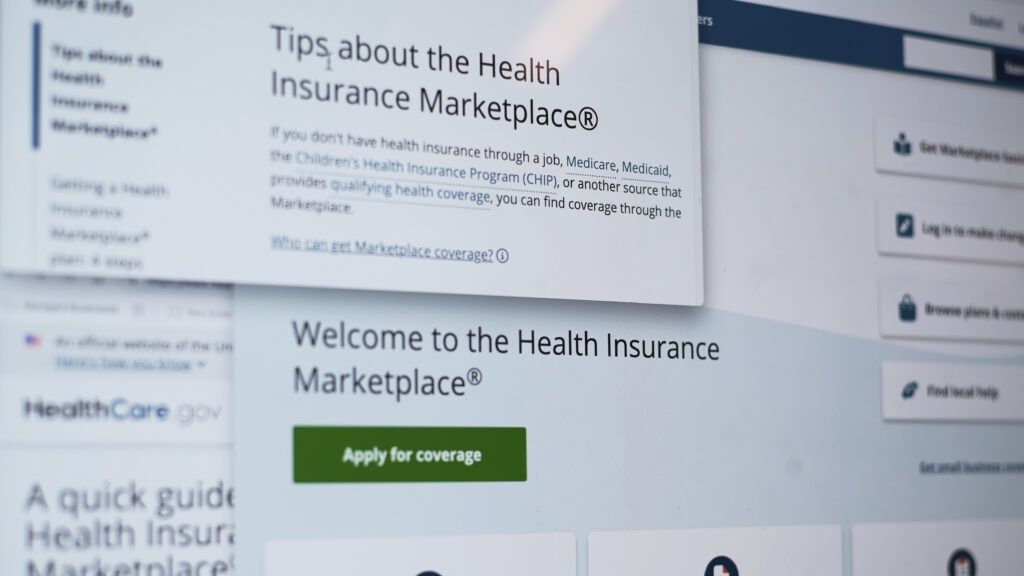
Enhanced ACA Health Insurance Subsidies Face Uncertain Future as Political Deadlock Deepens

📷 Image source: statnews.com
The Looming Crisis in American Healthcare Affordability
Millions Face Potential Premium Hikes as Subsidy Deadline Approaches
The enhanced subsidies that have made health insurance dramatically more affordable for millions of Americans under the Affordable Care Act (ACA) are facing an increasingly uncertain future. According to STAT News reporting from November 19, 2025, the political landscape suggests that extending these temporary subsidies beyond their current expiration date appears increasingly unlikely. This development threatens to reverse years of progress in expanding healthcare coverage and could lead to significant premium increases for families across the United States.
The enhanced subsidies, initially passed as part of the American Rescue Plan Act in 2021 and later extended through 2025, have helped drive ACA marketplace enrollment to record levels. These financial assistance programs have particularly benefited middle-income families who previously earned too much to qualify for substantial help but still struggled with insurance costs. The potential expiration comes at a time when healthcare costs continue to rise, creating what experts describe as a perfect storm for American consumers.
Understanding the Enhanced ACA Subsidy Structure
How Current Subsidies Have Transformed Healthcare Accessibility
The enhanced subsidies represent a significant expansion of the original ACA financial assistance framework. They eliminated the income cap that previously prevented households earning more than 400% of the federal poverty level from receiving premium tax credits. For a family of four, this threshold currently stands at approximately $120,000 annually. The enhanced subsidies also increased the amount of assistance available to lower-income enrollees, ensuring that nobody pays more than 8.5% of their household income toward benchmark silver plans.
These changes have had profound effects on insurance affordability. Before the enhanced subsidies, many middle-class families faced premiums that consumed 15-20% of their income for marketplace coverage. The current structure has brought these costs down to more manageable levels, contributing to the record-breaking enrollment of over 21 million people in ACA marketplace plans during the most recent open enrollment period. The potential loss of this assistance would represent the most significant change to ACA affordability since the law's implementation.
Political Landscape and Legislative Challenges
Why Extension Efforts Face Steep Obstacles in Congress
The political dynamics in Washington have created substantial barriers to extending the enhanced subsidies. With divided government and competing budget priorities, finding consensus on what would essentially be a multi-billion dollar healthcare expenditure has proven challenging. According to STAT News, key Republican lawmakers have expressed concerns about the program's cost and have pushed for more structural reforms to the ACA rather than simply extending temporary subsidies.
Democratic supporters of the subsidies face their own challenges, including limited legislative vehicles for moving the extension forward and competing domestic priorities. The upcoming election cycle further complicates the political calculus, with both parties weighing the electoral consequences of allowing the subsidies to expire versus the fiscal impact of extending them. The current political environment suggests that any potential compromise would need to include significant concessions from both sides, something that appears increasingly difficult to achieve as the expiration deadline approaches.
Projected Impact on Insurance Premiums
What Consumers Can Expect if Subsidies Expire
If the enhanced subsidies are allowed to expire, the consequences for consumers could be severe. Analysis from the Kaiser Family Foundation suggests that premium costs for marketplace plans could increase by hundreds of dollars per month for many families. A 40-year-old earning $55,000 annually could see their monthly premium jump from approximately $340 to over $490 for a benchmark silver plan. For older Americans not yet eligible for Medicare, the increases could be even more dramatic.
The impact would vary significantly by geographic location and individual circumstances. States that have expanded Medicaid would see somewhat different effects than those that haven't, and residents of high-cost insurance markets would feel the pinch more acutely. What remains consistent across scenarios is that millions of Americans would face difficult choices between maintaining health coverage and other essential expenses, potentially leading to increased rates of uninsurance and underinsurance across the country.
Historical Context of ACA Subsidy Battles
Learning from Previous Healthcare Policy Conflicts
This is not the first time ACA subsidies have faced existential threats. The program survived multiple repeal efforts during the Trump administration and a Supreme Court challenge in 2021. What distinguishes the current situation is that the enhanced subsidies were always designed as temporary measures, creating a different political dynamic than previous fights over the ACA's core structure. The temporary nature of these enhancements has created a recurring legislative battle that must be addressed every few years.
The pattern of temporary extensions reflects a broader trend in American health policy, where Congress often resorts to short-term solutions rather than permanent structural reforms. This approach creates uncertainty for insurers, providers, and consumers alike, making long-term planning difficult. The current debate over the enhanced subsidies echoes previous battles over the Children's Health Insurance Program and Medicare physician payment rates, where temporary patches became the norm rather than permanent solutions.
State-Level Responses and Preparations
How Local Governments Are Planning for Potential Changes
In anticipation of possible subsidy expiration, several states have begun exploring their own options to maintain coverage affordability. States like California, Massachusetts, and Washington have initiated studies to assess the feasibility of state-level subsidy programs. These efforts face significant budget constraints but reflect growing recognition of the potential disruption that could occur at the federal level. State-based marketplaces are also developing communication strategies to prepare consumers for potential changes.
The capacity for states to respond varies dramatically based on their financial resources and political will. Wealthier states with Democratic-controlled legislatures appear most likely to attempt some form of replacement program, while states with more limited budgets and different political priorities may have fewer options. This patchwork approach could lead to significant geographic disparities in healthcare affordability, creating what some analysts describe as a two-tier system of insurance accessibility across the United States.
Insurance Industry Perspective and Market Stability
How Carriers Are Preparing for Potential Disruption
Health insurance companies participating in the ACA marketplaces face significant uncertainty as the subsidy expiration deadline approaches. Insurers must finalize their 2026 premium rates and plan offerings in the coming months, creating pressure for congressional action or clear signals about the subsidies' future. Without clarity, carriers may need to assume the worst-case scenario and set premiums accordingly, which could mean significant rate increases even if subsidies are eventually extended.
The stability of the ACA marketplaces has improved dramatically since the early years of the program, but the potential loss of enhanced subsidies represents a major test of this hard-won stability. Insurance commissioners in multiple states have expressed concern about market disruption if large numbers of healthier enrollees drop coverage due to affordability concerns. Such adverse selection could trigger premium spiral effects that would further destabilize markets and reduce competition in many regions.
International Comparisons in Healthcare Subsidy Approaches
How Other Countries Structure Healthcare Financial Assistance
The United States' approach to healthcare subsidies differs significantly from systems in other developed countries. Most comparable nations provide universal coverage through either single-payer systems or tightly regulated private insurance markets with automatic subsidies based on income. The temporary, legislatively precarious nature of the ACA enhanced subsidies represents a uniquely American approach to healthcare financing that creates periodic uncertainty for consumers.
Countries like Germany, the Netherlands, and Switzerland use income-based premium subsidies in their multi-payer systems, but these are permanent features of their healthcare frameworks rather than temporary measures requiring regular renewal. The administrative costs associated with the American system's complexity and uncertainty are substantially higher than in many peer nations. These international comparisons highlight the structural differences that make the U.S. healthcare financing system particularly vulnerable to political fluctuations.
Economic Ripple Effects Beyond Healthcare
Broader Consequences for Household Finances and Businesses
The potential expiration of enhanced subsidies extends beyond immediate healthcare concerns into broader economic impacts. Families facing significant premium increases would likely reduce spending in other areas, potentially affecting local economies. Small businesses could face pressure to offer coverage to employees who lose affordable marketplace options, creating additional financial strain during uncertain economic times. The healthcare sector itself might experience reduced utilization as people skip preventive care and delay treatment due to cost concerns.
Research from previous periods of healthcare uncertainty suggests that coverage instability can have negative effects on worker productivity and mobility. People may be reluctant to change jobs if they fear losing affordable health insurance, creating what economists call 'job lock.' The potential subsidy expiration comes at a time when the American economy faces multiple challenges, adding another layer of complexity to the recovery from recent economic disruptions.
The Path Forward and Potential Compromises
Possible Scenarios for Resolution Before the Deadline
Despite the current pessimism about extension, several potential paths remain for preserving at least some enhanced assistance. One possibility involves a scaled-back extension that would target assistance more narrowly to specific income groups or geographic areas. Another approach might tie extension to other healthcare reforms that could attract bipartisan support, such as measures to address surprise billing or prescription drug costs. The complex legislative calendar creates both challenges and opportunities for creative solutions.
Some policy analysts suggest that a short-term extension remains possible even if a long-term solution proves elusive. This would push the decision into the next Congress but provide temporary relief for consumers. The coming weeks will be critical for determining which, if any, of these paths might materialize. Stakeholders across the healthcare spectrum are intensifying their advocacy efforts as the window for legislative action narrows.
Perspectif Pembaca
Share Your Experience with Healthcare Affordability
How have the enhanced ACA subsidies affected your family's healthcare decisions over the past few years? Have these financial assistance programs made quality health insurance accessible for the first time, or have you continued to face challenges despite the available help?
What trade-offs would you face if your healthcare costs increased significantly due to subsidy reductions? Would you consider dropping coverage entirely, switching to less comprehensive plans, or making sacrifices in other areas of your budget to maintain your current health insurance?
#ACA #HealthInsurance #Healthcare #Subsidies #Politics


