

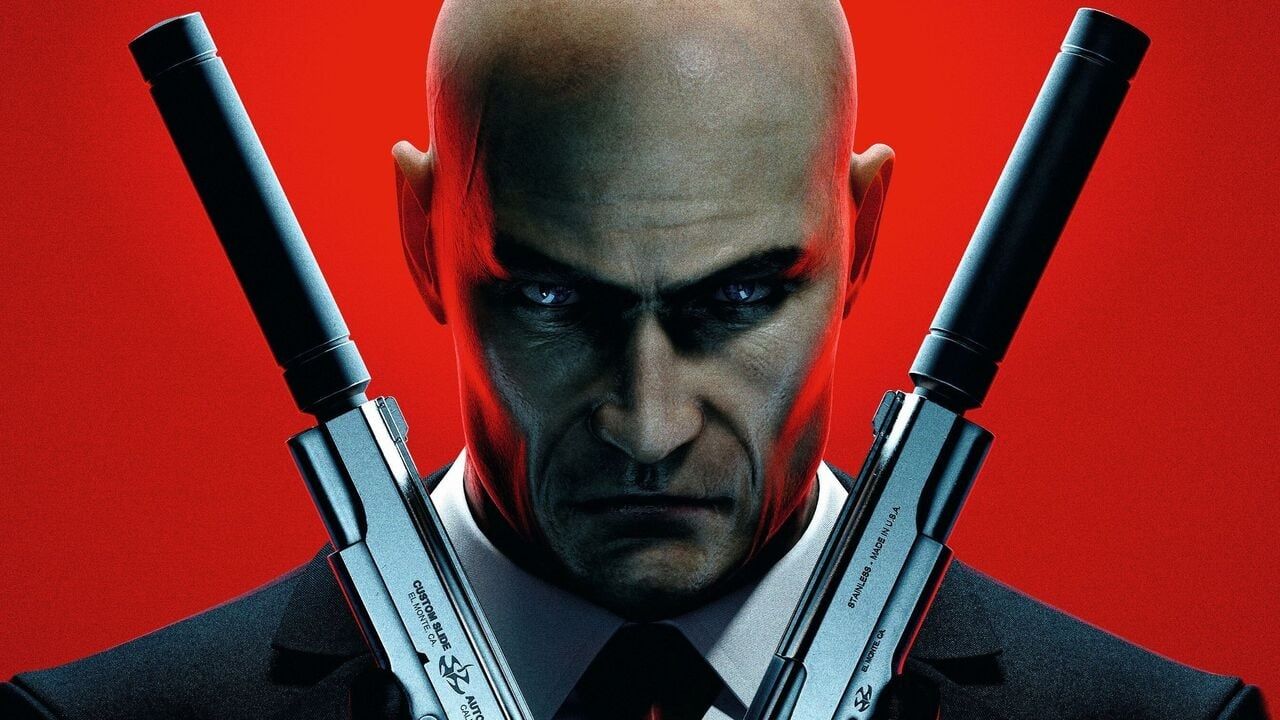
Hitman: Absolution on Switch: A Flawed But Functional Port of the Series' Controversial Entry

📷 Image source: images.nintendolife.com
The Black Sheep Arrives on Switch
IO Interactive's divisive 2012 title makes its handheld debut
When Hitman: Absolution first launched in 2012, it divided the franchise's dedicated fanbase with its dramatic departure from the open-ended sandbox gameplay that defined the series. Now, thirteen years after its initial release, this controversial chapter in Agent 47's story has quietly arrived on Nintendo Switch. According to nintendolife.com's review published on November 15, 2025, this port brings the complete Hitman: Absolution experience to handheld gaming, though it carries both the strengths and weaknesses of the original.
The review describes the Switch version as "a decent port" that maintains the core experience while making some necessary compromises for the hybrid hardware. For players who never experienced Absolution during its original console generation, this represents an opportunity to explore what many consider the series' most unconventional entry. But does this aging title justify its place in the Switch's extensive library of portable gaming options?
Performance and Technical Compromises
How the Switch handles IO Interactive's aging engine
According to the nintendolife.com review, Hitman: Absolution on Switch maintains a stable 30 frames-per-second during most gameplay scenarios, though some crowded areas and intense action sequences can cause noticeable dips. The port runs at 720p resolution when docked and scales down appropriately for handheld mode, making it perfectly serviceable for on-the-go gaming. Load times are described as "reasonable" though not particularly fast compared to modern standards.
Texture quality and character models show their age, with the review noting that environmental details sometimes appear muddy or low-resolution. The Glacier engine that powered the original 2012 release has been adapted competently for Switch hardware, but the technical limitations of Nintendo's console become apparent in direct comparison to more recent Hitman titles. Still, for a game originally designed for PlayStation 3 and Xbox 360, the transition to Switch feels appropriate rather than ambitious.
Gameplay Evolution or Regression?
Examining Absolution's controversial design choices
Hitman: Absolution famously shifted the series toward more linear, story-driven levels compared to the expansive sandboxes of earlier titles. The nintendolife.com review acknowledges this remains the game's most contentious aspect, with many traditional Hitman fans still considering it a betrayal of the franchise's core identity. The review states that levels are "more constrained and guided" than in other entries, often funneling players through specific pathways rather than encouraging creative problem-solving.
However, the review also notes that Absolution introduced several mechanics that would later influence the World of Assassination trilogy. The instinct system, which allows players to see through walls and predict enemy movements, makes its series debut here. While this feature arguably makes the game more accessible to newcomers, purists may find it reduces the challenge that defined earlier Hitman games. The disguise system also received significant changes that many veterans found frustrating, requiring Agent 47 to constantly manage his "suspicion meter" even when wearing appropriate costumes.
Story and Narrative Focus
Agent 47's personal mission takes center stage
According to the source material, Hitman: Absolution places greater emphasis on narrative than any previous series entry. The story follows Agent 47 as he goes rogue from the ICA to protect a young girl named Victoria from his former employers. This personal stake represents a significant departure from the professional, emotionally detached contracts that defined earlier games.
The review describes the narrative as "over-the-top and pulpy" with characters that border on caricature, though it acknowledges the voice acting and cinematic presentation remain strong. Cutscenes are frequent and lengthy, sometimes interrupting the flow of gameplay more than veteran players might prefer. While the story provides motivation for 47's actions, the shift toward narrative-driven design ultimately comes at the expense of the emergent storytelling that made earlier Hitman titles so memorable.
Mission Structure and Variety
From traditional assassinations to action set pieces
Hitman: Absolution features what the review describes as "a mixed bag" of mission types that range from classic assassination scenarios to pure action sequences. Traditional Hitman gameplay appears in levels like "King of Chinatown" where players can approach targets using multiple methods and environmental opportunities. These moments capture the spirit of earlier games, allowing for creative kills and patient observation.
However, the review notes that these traditional hits are interspersed with sections that feel completely alien to the Hitman formula. Stealth segments that require avoiding detection entirely, chase sequences that play like third-person shooters, and even sections where 47 must protect NPCs all appear throughout the campaign. This variety might appeal to players who prefer more guided experiences, but series veterans will likely find these deviations frustrating and unnecessary.
Contracts Mode and Replayability
The community-driven feature that influenced future titles
One of Hitman: Absolution's most enduring contributions to the series was the introduction of the Contracts mode, which the review confirms is fully functional in the Switch port. This feature allows players to create custom assassination challenges by marking specific targets within levels and establishing conditions for their elimination. These player-created contracts can then be shared online for others to attempt.
The review praises this mode as "the game's strongest element" and notes that it directly inspired similar features in later Hitman games. For players who find the main campaign too restrictive, Contracts mode offers the pure assassination gameplay that defined earlier series entries. Unfortunately, given the game's age and niche status on Switch, the review suggests the community aspect of this mode may be limited compared to its heyday on previous platforms.
Control Scheme and Interface Adaptation
How Absolution's complex systems translate to Switch
According to nintendolife.com, Hitman: Absolution's control scheme has been mapped effectively to the Switch's Joy-Cons, though the game's numerous context-sensitive actions can feel overwhelming at first. The interface, originally designed for larger television screens, has been scaled appropriately for handheld play without sacrificing readability. Gyro aiming is reportedly supported, providing an alternative to traditional stick controls for precision shooting.
The review notes that the game's inventory and weapon selection systems work surprisingly well on the smaller screen, with clear icons and intuitive navigation. However, some of the more complex mechanics, such as blending into crowds or using the instinct system, require multiple button inputs that might feel cumbersome to players accustomed to more streamlined modern controls. The learning curve is described as "moderate" for series newcomers but manageable for those familiar with third-person action games.
Visual and Audio Presentation
How Absolution's style holds up on modern hardware
The review describes Hitman: Absolution's visual style as "stylized realism" that has aged better than many games from the same period. Character models, particularly Agent 47 himself, remain distinctive and well-designed, though environmental textures show their age more noticeably. The game's lighting effects, which were impressive in 2012, still contribute to the atmospheric presentation despite technical limitations.
Audio design receives particular praise in the review, with Jesper Kyd's score providing the same atmospheric tension that defined earlier Hitman titles. Voice acting quality varies between characters, with Agent 47's performance by David Bateson standing out as consistently professional. Environmental sounds and weapon effects are described as serviceable if not exceptional, creating an adequate but not immersive audio experience through the Switch's speakers or headphones.
Value Proposition and Final Verdict
Who should consider this thirteen-year-old port?
According to the nintendolife.com review, Hitman: Absolution on Switch represents a competent but unremarkable port of a divisive series entry. The game includes all original content without additional enhancements or new features, making it essentially identical to versions available on other platforms. For players who never experienced Absolution and are curious about this unusual chapter in the Hitman timeline, the portable nature of the Switch version might justify the purchase.
However, the review suggests that players looking for the definitive Hitman experience would be better served by the World of Assassination trilogy, which represents the series at its creative peak. Hitman: Absolution on Switch works adequately as a historical curiosity—a snapshot of a franchise in transition—but fails to stand out in the Switch's crowded library of superior stealth and action games. As the review concludes, it's "a decent port of the series' black sheep" that will appeal primarily to completionists and series historians rather than those seeking the best the Hitman franchise has to offer.
#HitmanAbsolution #NintendoSwitch #GameReview #PortableGaming


