

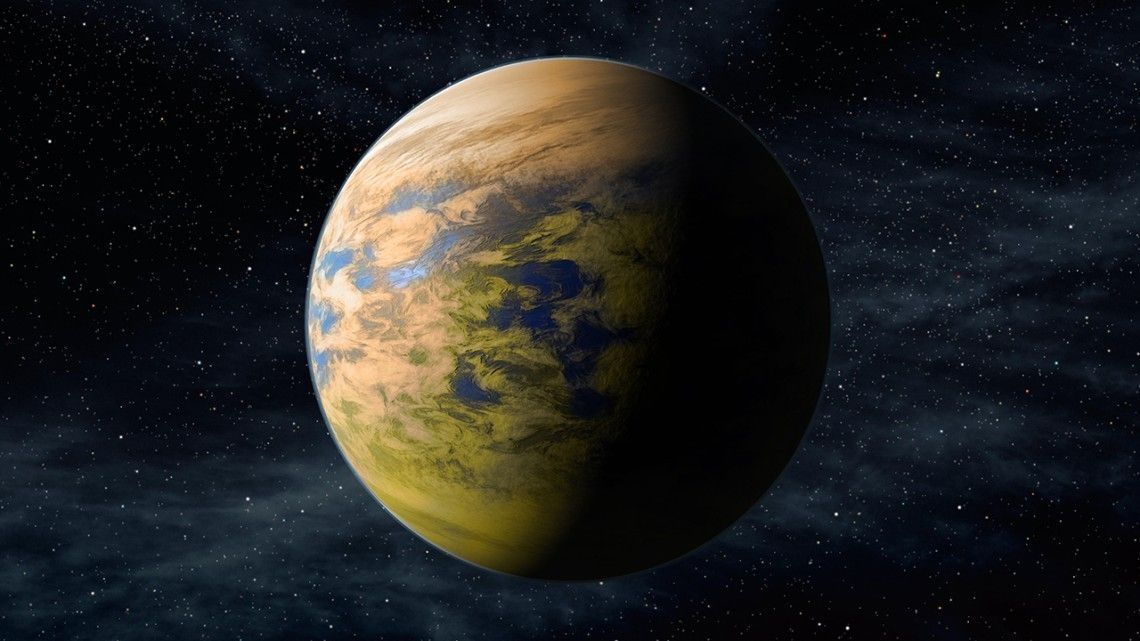
Rainbow Microbes Could Reveal Alien Life in Exoplanet Skies

📷 Image source: cdn.mos.cms.futurecdn.net
Atmospheric Biosignatures
How Cloud Microorganisms Create Detectable Patterns
The search for extraterrestrial life might be shifting from planetary surfaces to alien atmospheres. According to space.com, colorful microorganisms living in clouds could create distinctive light-scattering patterns detectable across interstellar distances. These airborne life forms would essentially paint exoplanet atmospheres with biological signatures.
Researchers suggest that if microbial life exists in exoplanet clouds, their pigmentation would cause unique reflectance spectra. Different colored microorganisms would absorb and reflect light in characteristic ways, creating biosignatures that next-generation telescopes could potentially identify. This approach expands the search for life beyond traditional surface-based indicators.
Earth's Own Cloud Dwellers
Terrestrial Microbes Informing Alien Hunt
The concept isn't purely theoretical—Earth hosts numerous microorganisms that thrive in atmospheric conditions. According to space.com, scientists have documented bacteria, algae, and fungi surviving and even reproducing in cloud layers high above our planet's surface. These resilient organisms withstand extreme cold, intense radiation, and nutrient scarcity.
Some terrestrial cloud microorganisms contain pigments that protect them from ultraviolet radiation while simultaneously creating colorful appearances. These same protective mechanisms could evolve on other worlds, making colorful atmospheric life a plausible scenario across the galaxy. The adaptation demonstrates how life can exploit even the most challenging environments.
Spectral Fingerprints
Decoding Light Signatures from Distant Worlds
The key to detection lies in spectroscopy—analyzing how light interacts with atmospheric particles. According to space.com, different colored microorganisms would create distinct spectral signatures when sunlight passes through exoplanet atmospheres. These light patterns would differ significantly from those produced by ordinary cloud particles or atmospheric gases.
Researchers emphasize that the reflectance spectra of biological particles have characteristic shapes and features that inorganic materials typically lack. The combination of specific absorption bands and scattering properties could reveal the presence of pigmented organisms. This method could complement traditional biosignature searches focusing on atmospheric gases like oxygen or methane.
Exoplanet Cloud Habitats
Where Atmospheric Life Might Thrive
Not all exoplanet clouds would be equally suitable for life. According to space.com, temperate gas giants and hycean worlds—planets with global water oceans beneath hydrogen-rich atmospheres—offer particularly promising environments. Their extensive cloud decks could provide stable habitats with liquid water droplets and necessary nutrients.
Cloud layers at specific temperature ranges and atmospheric pressures might support microbial ecosystems similar to Earth's atmospheric biosphere. The continuous circulation patterns in some exoplanet atmospheres could help sustain these communities by transporting nutrients and organisms between different atmospheric regions. Stability over geological timescales would be crucial for the evolution of complex atmospheric ecosystems.
Detection Challenges
Separating Biology from Geology
Identifying microbial signatures presents significant technical hurdles. According to space.com, astronomers must distinguish biological spectral features from those created by atmospheric phenomena, mineral dust, or ice crystals. This requires extremely precise measurements and sophisticated modeling of exoplanet atmospheres.
False positives remain a major concern—certain inorganic processes can mimic biological signatures. Researchers suggest looking for multiple complementary indicators rather than relying on single measurements. The temporal variation of spectral features could provide additional clues, as biological populations might change with seasons or other environmental cycles unlike static geological features.
Telescope Technology
Next-Generation Instruments for Atmospheric Analysis
Detecting these subtle signatures will require advanced observational capabilities. According to space.com, upcoming telescopes like the Habitable Worlds Observatory and extremely large ground-based telescopes will provide the necessary resolution and sensitivity. These instruments will analyze starlight filtering through exoplanet atmospheres during transits.
The James Webb Space Telescope has already demonstrated the potential for detailed atmospheric characterization, though detecting microbial pigments would require even more precise measurements. Future missions specifically designed for direct imaging of exoplanets could provide the data quality needed to identify biological coloration in alien clouds. Technological advances in spectrometer design and noise reduction are continuously improving detection limits.
Evolutionary Implications
Why Life Would Go Airborne
The evolution of atmospheric life represents a fascinating adaptation pathway. According to space.com, microorganisms might colonize cloud layers to escape harsh surface conditions or to access new ecological niches. On planets with inhospitable surfaces but temperate atmospheres, airborne ecosystems could become the dominant form of life.
Such environments would favor organisms with efficient nutrient scavenging capabilities, resistance to ultraviolet radiation, and mechanisms for remaining suspended in optimal atmospheric layers. The pigmentation that makes detection possible would likely evolve as protection against stellar radiation while incidentally creating detectable biosignatures. This illustrates how evolutionary pressures could shape life in ways that make it visible across space.
Search Strategy
Prioritizing Targets in the Cosmic Hunt
Astronomers are developing systematic approaches to search for atmospheric biosignatures. According to space.com, researchers recommend focusing on exoplanets with extensive cloud coverage in temperate zones where liquid water could exist. Planets orbiting stable stars with minimal flare activity would provide more consistent observational conditions.
The search would involve comprehensive spectral analysis across multiple wavelengths to build complete atmospheric profiles. Statistical methods would help identify anomalies that might indicate biological activity. As telescope time remains precious, careful target selection will be crucial for maximizing the chances of detection. This method represents a complementary approach to traditional biosignature research, expanding the toolkit for finding life beyond Earth.
#Exoplanets #Astrobiology #Biosignatures #SpaceExploration #Microbes


