

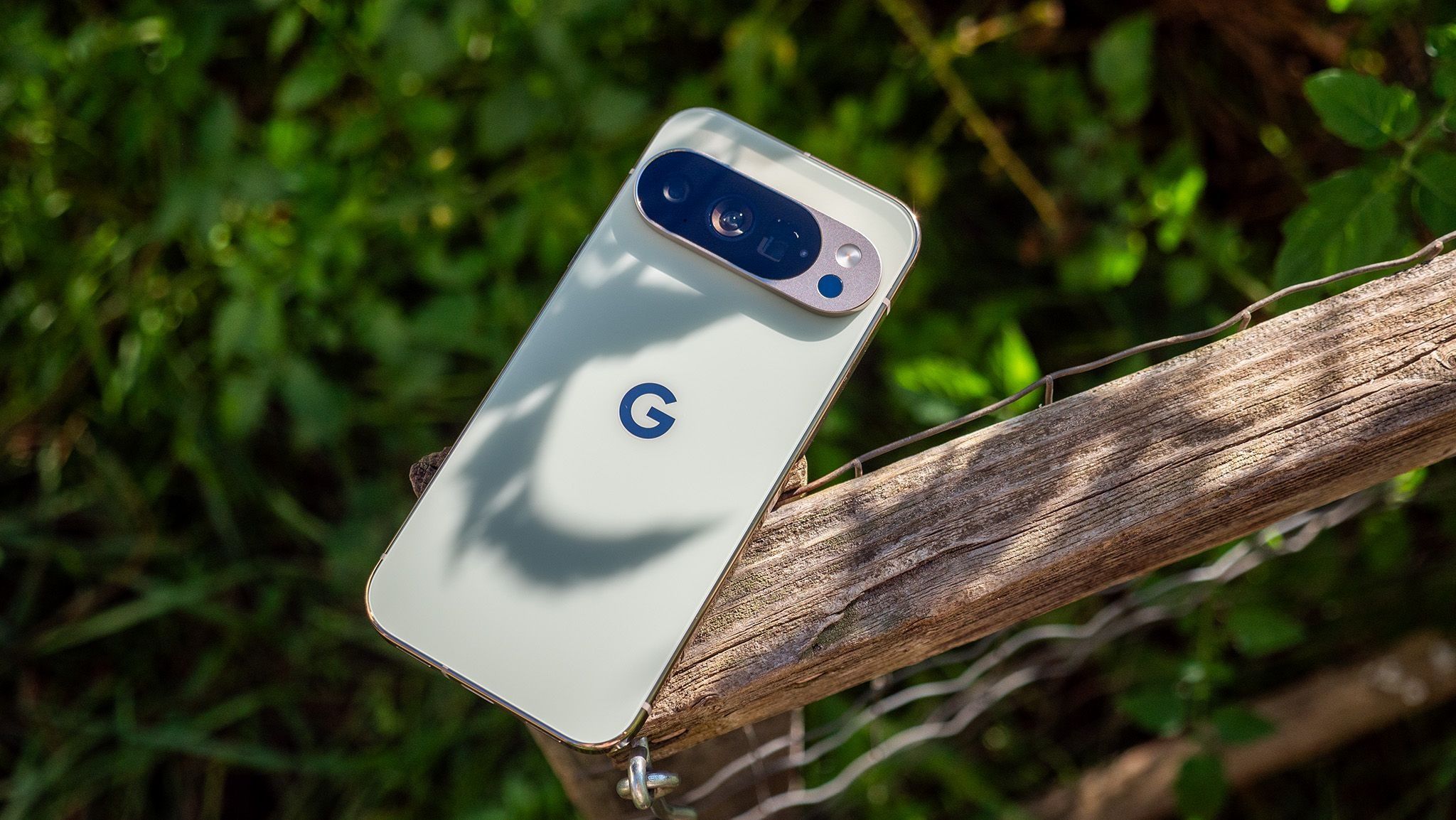
Navigating the Maze of 'Free' Android Phone Offers in Early 2026: A Critical Guide

📷 Image source: cdn.mos.cms.futurecdn.net
The Allure of 'Free' in a Premium Smartphone Market
Understanding the True Cost of Zero-Dollar Devices
The promise of a free high-end smartphone remains one of the most powerful marketing tools in the mobile industry. As of January 2026, carriers and retailers continue to deploy this tactic, offering flagship Android devices at no upfront cost to consumers. However, the term 'free' is a complex proposition, almost always tethered to lengthy service contracts, trade-in conditions, or bundled commitments.
According to a roundup from androidcentral.com, published on 2026-01-21T18:35:46+00:00, these deals are prominently featured for the latest models from Samsung, Google, and OnePlus. The immediate financial relief of not paying hundreds of dollars at the point of sale is undeniable, but it necessitates a thorough examination of the long-term obligations. This guide deconstructs the current landscape, moving beyond the headline price to analyze the mechanisms, trade-offs, and fine print that define these promotions.
Deconstruction of a 'Free' Deal: The Standard Carrier Model
How Service Contracts Subsidize Device Costs
The most common pathway to a free phone involves a multi-year contract with a mobile network operator. In this model, the carrier effectively absorbs the device's retail price, which can exceed $800, and recoups the cost through your monthly service fees over a 24 to 36-month period. The deal is often structured as monthly bill credits; you are charged for the phone, but an equivalent credit is applied, nullifying the charge.
The critical detail, as highlighted by androidcentral.com, is the requirement to maintain a specific, and usually premium, unlimited data plan for the entire duration. If you downgrade your plan or cancel service before the term ends, the remaining device balance becomes due, instantly voiding the 'free' aspect. This model locks customers into a single provider, creating a significant barrier to switching even if service quality declines or a better offer emerges elsewhere.
The Trade-In Gambit: Turning Old Tech into New
Maximizing Value from Your Current Device
A parallel avenue to a free new phone is through aggressive trade-in promotions. Here, retailers or manufacturers offer a guaranteed value for your old smartphone that matches or exceeds the price of the new model. For instance, trading in a two-year-old flagship might net you enough credit to cover the entire cost of a current mid-range device, making it effectively free.
These promotions are highly variable and depend on the condition, model, and storage capacity of your trade-in. The androidcentral.com report notes that deals can fluctuate weekly, with carriers sometimes offering 'bonus' trade-in values on top of the device's assessed worth. The risk lies in the assessment process; if the company receiving your old phone determines its condition is worse than you stated, the promised credit can be reduced, leaving you with an unexpected balance to pay.
Retailer and Manufacturer Direct Promotions
Beyond the Carrier Store
While carriers dominate, direct sales channels are increasingly competitive. Major electronics retailers and the manufacturers' own online stores occasionally run promotions where a phone is offered free with the purchase of another product, such as a tablet, smartwatch, or set of headphones. Alternatively, they may offer instant gift cards equal to the phone's price when you activate a line on a partner carrier.
These deals can offer more flexibility, as the accompanying product or gift card provides tangible value. However, they often involve a more complex checkout process and may still require credit checks or service activation through a third party. The androidcentral.com listing serves as a aggregator for these diverse offers, which are typically more fragmented and harder to track than standardized carrier promotions.
The Fine Print: Common Restrictions and Hidden Costs
What the Bold Headlines Don't Tell You
Every 'free' phone deal is governed by terms and conditions that can span thousands of words. Key restrictions almost universally include credit approval, which can be a hurdle for those with poor or limited credit history. Even with approval, the deals are typically reserved for new lines of service, leaving existing customers, or those seeking to upgrade a current line, with less generous offers.
Other hidden costs can include activation fees, which can be a one-time charge of up to $35, and the sales tax on the full retail price of the device, which is usually due at the point of sale. Furthermore, the 'free' offer typically applies only to the base storage configuration. Opting for a model with more storage, which is increasingly necessary for high-resolution photos and 4K video, often incurs an additional upfront or monthly cost.
Comparative Analysis: 'Free' vs. Buying Unlocked
A Long-Term Financial Perspective
To truly evaluate a 'free' deal, one must compare it to the alternative: purchasing a phone outright, unlocked, and pairing it with a low-cost mobile virtual network operator (MVNO) service plan. An unlocked phone gives you complete freedom to switch carriers at will to chase better coverage or prices. MVNOs, which use the major networks' infrastructure, often offer comparable data at a fraction of the cost of premium postpaid plans.
Over a 36-month period, the combined cost of an unlocked phone and a budget MVNO plan can sometimes be lower than the cumulative cost of the premium unlimited plan required to sustain the 'free' phone credits. This calculation depends heavily on individual data usage. For light to moderate users, the financial advantage of buying unlocked can be significant, though it requires a larger initial investment.
The Impact on Consumer Choice and Market Competition
How Subsidies Shape the Ecosystem
The prevalence of carrier-subsidized 'free' phones has a profound impact on the smartphone market. It strengthens the carriers' role as gatekeepers, influencing which phone models are promoted most heavily in stores and online. Manufacturers must often negotiate favorable placement deals with carriers, which can marginalize smaller brands that lack the marketing clout of Samsung or Google.
This system can also slow the adoption of innovative features or alternative operating systems, as carriers tend to favor devices with proven mass-market appeal to minimize risk. For the consumer, while choice appears abundant, it is often funneled toward a handful of carrier-approved flagship devices, potentially limiting exposure to compelling alternatives from companies like Nothing, Asus, or Motorola that may offer better pure value.
Privacy and Software Considerations in Locked Devices
The Cost Beyond Dollars
Phones obtained through carrier deals are almost always 'locked' to that carrier's network until the installment plan is fully paid and the service conditions are met. Beyond the restriction on network switching, locked devices often come with pre-installed carrier software, commonly known as 'bloatware.' These apps cannot be easily uninstalled and may consume storage, battery, and data while potentially collecting user information.
Additionally, carriers control the timing of operating system and security updates for their locked devices. This can result in delays compared to unlocked models, which receive updates directly from the manufacturer. In an era of sophisticated cyber threats, a delay in receiving a critical security patch represents a tangible, non-financial risk associated with the 'free' phone model.
Global Context: How Other Markets Approach Device Subsidies
Lessons from Abroad
The heavy reliance on carrier subsidies is particularly pronounced in the United States. In many European and Asian markets, the practice of selling unlocked devices directly to consumers is far more common. In these regions, financing options are often provided separately by banks or the manufacturers themselves, decoupling the device purchase from the service contract.
This separation fosters a more competitive and transparent market for both phones and cellular plans. Consumers can choose the best network for their needs without being penalized for their choice of handset, and they can upgrade their phone on their own schedule without worrying about early termination fees. The U.S. model, while offering immediate affordability, arguably reduces this flexibility and market dynamism.
Future Trends: The Evolving Nature of Phone Ownership
Subscription Services and Circular Economy
The traditional 'free with contract' model is beginning to evolve. Some carriers and manufacturers are experimenting with full subscription services, where for a single monthly fee, users receive a phone, insurance, and service, with the option to upgrade the device every year or two. This represents a formalization of the existing subsidy model but with more transparent bundling.
Concurrently, the push for sustainability is driving more robust trade-in and refurbishment programs. The 'free' deal fueled by a trade-in is a key component of the circular economy for electronics, keeping devices in use longer and reducing e-waste. Future promotions may place greater emphasis on the environmental benefit of trading in an old device, not just the financial incentive, as a selling point for consumers.
A Practical Checklist Before You Commit
Essential Questions to Answer
Before opting for any 'free' phone deal, a disciplined evaluation is necessary. First, calculate the total cost of service over the entire contract term, including all monthly line access fees, data charges, and taxes. Second, read the terms related to bill credits: when do they start, how are they applied, and what happens if you miss a payment?
Third, investigate the specifics of any trade-in: the quoted value, the condition requirements, and the process for disputing an assessment. Fourth, confirm the phone's network locking policy and software update commitment. Finally, compare this total cost and set of restrictions against the alternative of purchasing an unlocked phone and using a prepaid or MVNO plan. This due diligence transforms a marketing-driven impulse into an informed financial decision.
Perspektif Pembaca
The pursuit of a 'free' phone sits at the intersection of personal finance, technology adoption, and consumer behavior. For many, the immediate relief on their wallet is the paramount concern, while for others, long-term flexibility and total cost of ownership are the deciding factors.
What has been your most significant positive or negative experience with a carrier-subsidized phone deal? Did the reality of the contract align with your initial expectations regarding cost, service, and freedom to switch? Share your perspective on whether these promotions represent genuine value or a complex form of consumer lock-in.
#Android #SmartphoneDeals #MobileContracts #ConsumerGuide #TechNews


