

Sweden's Hardline Shift: The Human Cost of a New Immigration Era

📷 Image source: i.guim.co.uk
A Policy of Fear and Uncertainty
Families face deportation as Sweden tightens its borders
In the quiet suburbs of Swedish cities, a profound anxiety has taken root. According to a report from theguardian.com, families who have built lives in Sweden over many years are now confronting the stark reality of deportation as the country implements one of Europe's most restrictive immigration regimes. The policy shift, driven by a government reliant on the support of the far-right Sweden Democrats, has replaced a once-proud tradition of welcome with what one source describes as 'a lot of fear'.
This fear is not abstract. It manifests in the daily lives of people like Ali, a Kurdish man from Syria who has lived in Sweden for eight years. His recent application for a work permit was denied, a decision that now threatens to separate him from his Swedish-born son. His story, detailed in the source material, is emblematic of a systemic tightening where the goal, as stated by migration minister Maria Malmer Stenergard, is to create the 'lowest possible level of immigration'.
The Legal Tightening: New Rules, Stricter Interpretations
How legislative changes are reshaping lives
The foundation of this new era is a series of concrete legal amendments. The report states that the government has lowered the threshold for granting refugees permanent residency, making temporary permits the norm. Furthermore, the maintenance requirement for family reunification—the income needed to sponsor a relative—has been significantly raised.
Perhaps most impactful is the shift in interpretation of the 'reasonableness test' for permanent residency. Previously, factors like employment, language skills, and community ties were considered. Now, the report indicates that any irregularity in a past application, such as providing incorrect personal details—sometimes under duress or due to administrative errors during flight—can lead to automatic failure of this test, regardless of how long a person has lived productively in Sweden. This legal rigidity leaves little room for the complexities of human experience.
Voices from the Brink: The Al-Hariri Family's Ordeal
A case study in bureaucratic limbo
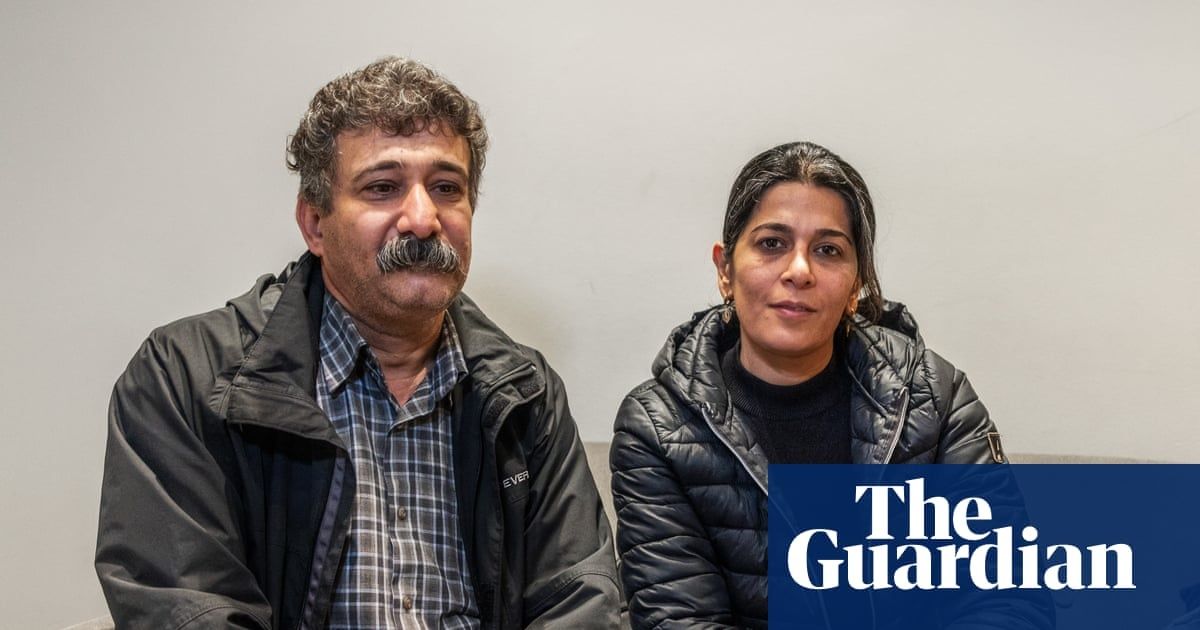
The human impact of these policies is crystallised in the experience of the Al-Hariri family. Bassel Al-Hariri, a Syrian barber, arrived in Sweden in 2013. His wife, Rawan, and their children joined him later through family reunification. After nearly a decade, building a life and a business, their application for permanent residency was rejected because Bassel had given a wrong house number in his initial asylum application years prior.
As reported by theguardian.com, the Migration Agency argued this misstep, despite being corrected long ago, meant he failed the reasonableness test. The family now faces deportation to Lebanon, a country Rawan describes as unsafe and where they have no legal status. 'We have put down roots here,' she told the publication, highlighting the cruel paradox of being punished for a minor, long-corrected error after years of contribution.
Political Foundations: The Sweden Democrats' Influence
The driving force behind the crackdown
This stringent approach is not an isolated administrative trend. It is the direct result of a political agreement. The current government, led by the Moderate Party's Ulf Kristersson, depends on the support of the anti-immigration Sweden Democrats to hold a parliamentary majority. In exchange for this support, a strict migration policy was a cornerstone of their coalition deal.
The report from theguardian.com, published on 2026-01-24T14:00:40+00:00, makes clear that figures like migration minister Maria Malmer Stenergard are implementing a vision long championed by the Sweden Democrats. The party's goal, as stated in the source, is to reduce immigration to the 'lowest possible level,' moving Sweden from being one of Europe's most welcoming nations to one of its most restrictive. This political reality forms the unyielding backdrop against which individual appeals for mercy are now played out.
The Ripple Effect on Integration and Society
How temporary status undermines long-term stability
Experts and advocates warn that the policy shift carries severe consequences for social cohesion. By making temporary residency the default, the state creates a permanent underclass of people who cannot plan for the future. How can you commit to learning a language fluently, buying a home, or deeply investing in a career if your right to remain is perpetually in question?
The report cites Louise Dane, an asylum lawyer, who notes that the system is now designed to keep people in a state of prolonged uncertainty. This uncertainty stifles the very integration the government claims to value. It breeds the fear that families report, making them hesitant to put down deeper roots even when they are allowed to stay temporarily. The policy, therefore, risks creating a self-fulfilling prophecy where limited permanence leads to limited integration.
Children in the Crossfire: The Next Generation's Plight
Deportation threats for those who know only Sweden
Among the most distressing aspects of the crackdown is its impact on children. The source material highlights cases of families with children born in Sweden, who are Swedish in every cultural and social sense, facing removal to countries they have never known. International conventions, such as the UN Convention on the Rights of the Child, which Sweden has ratified, emphasise that the best interests of the child must be a primary consideration.
Yet, as the Al-Hariri case shows, a technicality in a parent's years-old application can override this principle. Children are left in a limbo where their home, friends, school, and language are in one country, but the state dictates their future lies elsewhere. This not only causes profound emotional trauma but also raises serious ethical and legal questions about the state's priorities.
Legal Challenges and a Glimmer of Hope
Pushing back against the new regime
Resistance to these measures is growing within the Swedish legal system. Some courts have begun to push back against the Migration Agency's rigid application of the new rules. The report mentions instances where judges have granted residency permits by invoking the 'exceptionally distressing circumstances' clause, recognising the disproportionate severity of deporting people who have lived in Sweden for most of their adult lives over minor administrative errors.
These legal challenges are crucial, but they are case-by-case battles. They offer a glimmer of hope for individual families but do not constitute a systemic change. Lawyers like Louise Dane are fighting these cases, arguing that the government's interpretation of the law is excessively harsh and fails to account for the totality of an individual's life and contributions to Swedish society.
A Nation Redefining Itself
The long-term implications of Sweden's choice
Sweden's immigration crackdown represents more than a set of policy adjustments; it is a fundamental redefinition of the country's self-image. From a global symbol of humanitarian openness, it is consciously adopting a fortress-like stance. The immediate cost is measured in the fear and shattered lives of families like the Al-Hariris, who believed they were building a future in a tolerant society.
The long-term cost, however, may be borne by Swedish society itself. The report from theguardian.com underscores a transition towards a more insular and less forgiving nation. The question remains: can a society maintain its social fabric and values while systematically enforcing policies that create a permanent class of temporary residents living under a cloud of fear? The stories of these families are the first chapters in answering that complex and troubling question.
#Sweden #Immigration #Deportation #HumanRights #Policy


