

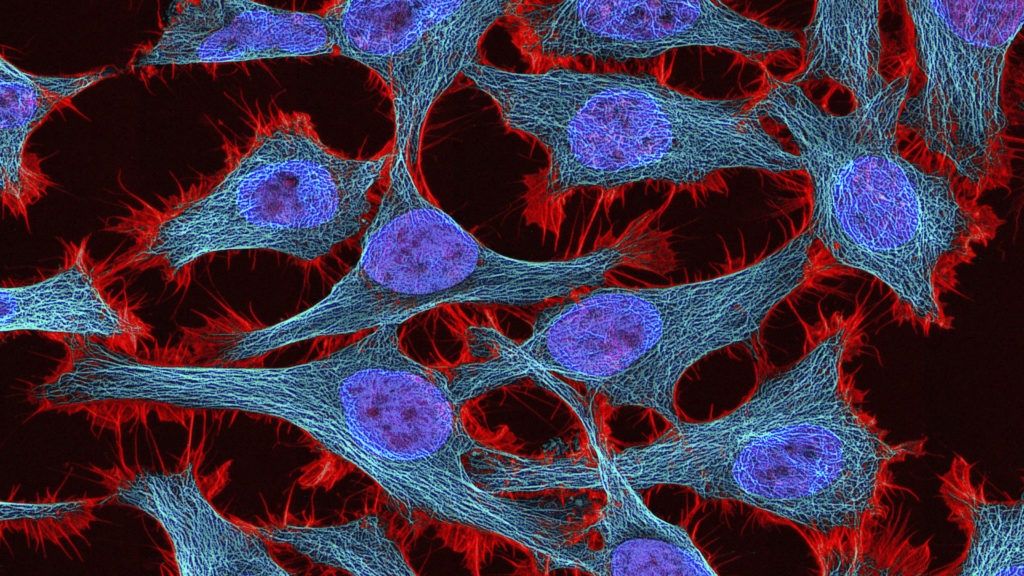
Novartis Reaches Settlement with Henrietta Lacks Estate Over Use of HeLa Cells

📷 Image source: statnews.com
A Landmark Settlement Decades in the Making
Pharmaceutical Giant Resolves Dispute Over 'Stolen' Cell Line
In a significant resolution to a long-standing ethical controversy, the estate of Henrietta Lacks has reached a settlement with the pharmaceutical company Novartis. The agreement centers on the use of the HeLa cell line, which was derived from Lacks's cervical cancer tissue in 1951 without her knowledge or consent. These cells became one of the most important tools in modern biomedical research.
The settlement, announced on February 28, 2026, brings a measure of closure to a saga that has come to symbolize the historical injustices faced by Black patients in the U.S. healthcare system. While the specific financial terms were not disclosed, the resolution acknowledges the profound contribution—and the profound wrong—stemming from the unauthorized use of Lacks's biological material. According to statnews.com, this settlement is part of a series of recent agreements between the Lacks family and major corporations that profited from the HeLa cells.
The Immortal Legacy of HeLa
How One Woman's Cells Transformed Medicine
Henrietta Lacks was a 31-year-old Black mother of five when she was diagnosed with cervical cancer at Johns Hopkins Hospital in Baltimore. During her treatment, a sample of her tumor was taken and given to researcher Dr. George Gey. He discovered, to his astonishment, that her cells possessed a unique ability: they could proliferate indefinitely in a laboratory setting, a phenomenon never before reliably observed.
This 'immortality' made the HeLa cell line invaluable. As reported by statnews.com, these cells were mass-produced and shipped to labs worldwide, becoming a cornerstone for countless medical breakthroughs. They were instrumental in developing the polio vaccine, advancing cancer and HIV research, and contributing to gene mapping and in vitro fertilization. Yet, for decades, Lacks's identity and her family's connection to this global scientific resource remained largely unknown, even as biotechnology and pharmaceutical companies generated substantial revenue from products developed using HeLa.
A Family's Long Fight for Recognition
From Obscurity to the Forefront of Bioethics
The Lacks family lived for years in poverty, unaware that part of their relative was fueling a multi-billion dollar industry. This changed with the publication of Rebecca Skloot's 2010 bestselling book, "The Immortal Life of Henrietta Lacks," which brought the story to international attention. The narrative forced a reckoning within the scientific community about consent, privacy, and racial equity.
In recent years, the estate has taken legal action to gain control over the use of the HeLa genome and seek compensation from corporations that commercialized products based on the cells. The settlement with Novartis, a Swiss-based pharmaceutical giant, represents a major milestone in this effort. The report states that the company has acknowledged using HeLa cells in its research, which spans areas like cancer therapeutics and cell-based therapies.
The Legal and Ethical Precedent
Navigating the Murky Waters of Biological Property
The case sits at a complex intersection of law and ethics. When Lacks's cells were taken, no established protocol for informed consent existed. U.S. law has generally ruled that individuals do not retain property rights over discarded tissue or cells that are subsequently developed into unique commercial products. This legal landscape has made direct lawsuits challenging.
However, the court of public opinion and evolving ethical standards have proven powerful. The settlement with Novartis, following other agreements, suggests that corporations are increasingly willing to acknowledge a moral, if not strictly legal, debt. It raises a pivotal question: how does society properly value and compensate the unwitting contributions of patients, particularly those from marginalized communities, to scientific progress?
Novartis's Stance and Research Impact
Corporate Acknowledgment in a Changing Era
While Novartis has not detailed its specific use of HeLa cells, its research portfolio provides clues. The company is a leader in areas like CAR-T cell therapy for cancer and advanced drug development platforms, many of which rely on foundational cell biology research where HeLa cells were ubiquitous. By settling, Novartis avoids a protracted public legal battle that would have continually highlighted the origins of these foundational research tools.
The report from statnews.com indicates this is not an isolated corporate reckoning. It reflects a broader shift where institutions are being held accountable for historical practices that would be unequivocally condemned today. For Novartis, the settlement may also serve as a risk-mitigation strategy, preempting potential reputational damage and aligning its public image with contemporary standards of ethical research conduct.
The Unquantifiable Contribution to Science
Measuring a Legacy Beyond Dollars
Attempting to quantify the value of the HeLa cell line is an exercise in impossibility. How do you put a price on the development of vaccines that saved millions of lives, or basic research that unlocked the mysteries of human cellular behavior? The cells have been cited in over 110,000 scientific publications. Their biological robustness made them the default workhorse for mid-20th century labs, accelerating the pace of discovery in ways that are incalculable.
This very incalculability is at the heart of the settlement's significance. It is not merely a transaction; it is a formal recognition. The agreement implicitly acknowledges that the ends of scientific progress do not automatically justify the means, especially when those means involved a profound violation of autonomy. The contribution of Henrietta Lacks is now permanently etched into the history of medicine, and with this settlement, her legacy includes a step toward restorative justice.
Broader Implications for Biomedical Research
Informed Consent and Patient Rights in the Modern Age
The story of Henrietta Lacks is now a foundational case study in every bioethics curriculum. It directly influenced the development of modern informed consent protocols and regulations governing human subject research. The settlement with a major player like Novartis reinforces that these are not just academic principles but have real-world, financial consequences for the industry.
Looking forward, this resolution may influence ongoing debates about digital health data and genetic privacy. If cells taken in the 1950s can lead to settlements in the 2020s, what obligations do companies have regarding the patient data they collect today? The Lacks case establishes a powerful narrative precedent that communities and families can leverage to advocate for fairness, ensuring that the pursuit of innovation is coupled with respect for the individuals who make it possible.
A Legacy Finally Honored
Henrietta Lacks's Name Enters a New Chapter
The settlement, as reported by statnews.com on 2026-02-28T13:49:04+00:00, marks another step in transforming Henrietta Lacks from a hidden historical figure into a recognized benefactor to humanity. Her descendants have stated that part of their mission is to ensure she is remembered not just as a source of cells, but as a woman, a mother, and a person.
While financial compensation can never undo the past, these agreements allow the family to exert a degree of control over her legacy and potentially fund initiatives in her name. The story continues to evolve, reminding us that scientific achievement is never divorced from its human context. The immortal cells of Henrietta Lacks did more than advance medicine; they forced it to confront its own morality, a process that this latest settlement shows is still very much alive.
#HenriettaLacks #HeLaCells #Bioethics #MedicalResearch #Novartis


