

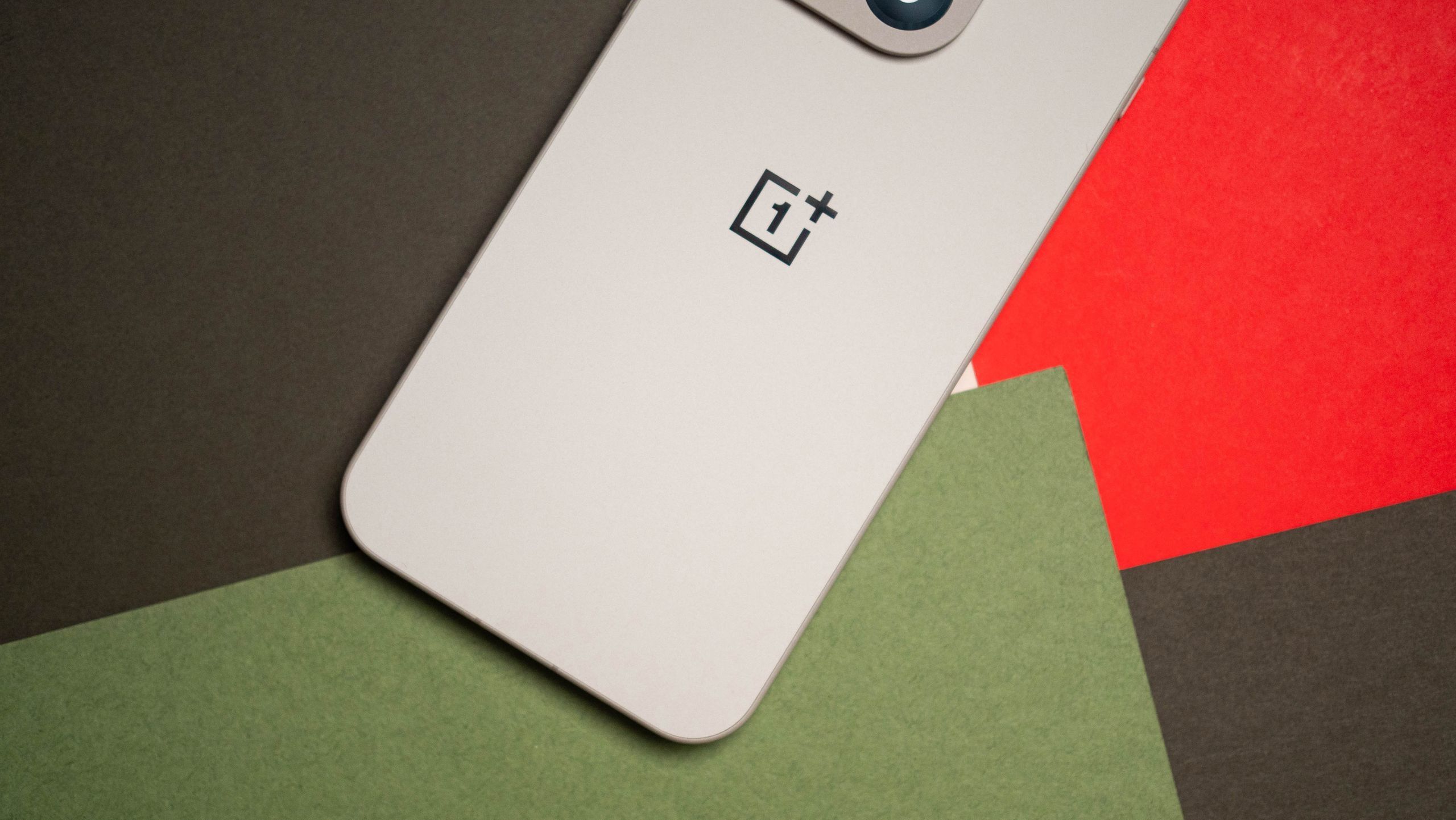
OnePlus 16 Leak Promises 240Hz Display and Dual 200MP Cameras: A Spec Sheet Arms Race or Meaningful Innovation?

📷 Image source: cdn.mos.cms.futurecdn.net
The Leak That Started It All
A Glimpse into OnePlus's 2026 Flagship Ambitions
A detailed specification leak for the upcoming OnePlus 16 has surfaced, painting a picture of a smartphone pushing hardware boundaries to their apparent limits. According to the report from androidcentral.com, dated 2026-02-02T18:51:00+00:00, the device is rumored to feature a staggering 240Hz refresh rate display and a dual-camera system where both primary and telephoto sensors reach 200 megapixels. This leak, originating from sources familiar with the matter, immediately sparked debate about the direction of flagship phone development.
The core specifications, as reported, suggest OnePlus is preparing to compete directly at the very peak of the Android market. Beyond the headline-grabbing display and cameras, the leak mentions the next-generation Qualcomm Snapdragon 8 Gen 4 chipset, a substantial 6,000 mAh battery, and 100W wired charging. This combination positions the OnePlus 16 not just as an incremental update but as a potential statement piece designed to capture attention through raw, numerical superiority in an increasingly crowded field.
The 240Hz Display: Beyond the Human Eye?
Understanding Refresh Rate and Diminishing Returns
A 240Hz refresh rate means the screen updates its image 240 times per second. This is a significant jump from the 120Hz standard that has become common in premium phones and even surpasses the 144Hz or 165Hz rates found in some gaming-focused models. The theoretical benefit is ultra-smooth motion, reducing blur in fast-paced scenes, which is particularly appealing for mobile gaming and rapid scrolling. The technology behind this likely involves advanced LTPO (Low-Temperature Polycrystalline Oxide) panels that can dynamically adjust their refresh rate to save power when high speed isn't needed.
However, the leap to 240Hz enters a realm of intensely debated diminishing returns. While the difference between 60Hz and 120Hz is perceptible to most users, the practical visual improvement from 120Hz to 240Hz is far more subtle. The human eye's ability to perceive such high-frequency motion is limited, and the benefits become increasingly niche, primarily catering to competitive esports gamers where every millisecond counts. The greater challenge for manufacturers is not just achieving the high rate, but doing so without devastating battery life, a hurdle the OnePlus 16's large battery will be tasked to overcome.
Dual 200MP Cameras: The Megapixel Myth Revisited
Why Pixel Count Is Only Part of the Story
The prospect of dual 200-megapixel cameras is perhaps the most audacious part of the leak. A 200MP sensor captures an immense amount of image data, allowing for extreme digital zoom without significant loss of detail and providing enormous flexibility for cropping in post-production. In theory, this setup could allow the telephoto lens to rival the versatility of the primary, using sensor cropping to simulate multiple focal lengths. This approach moves beyond traditional optical zoom limitations by leveraging sheer resolution.
Yet, the history of smartphone photography consistently shows that megapixels are a poor standalone metric for quality. The size of the individual pixels (pixel pitch), the quality of the lens optics, and the image signal processor (ISP) algorithms are far more critical. A 200MP sensor with tiny pixels can struggle in low light compared to a larger-pixel 50MP sensor. The real test for OnePlus will be its computational photography pipeline—how it bins (combines) those 200 million pixels down to produce a clean, detailed 12 or 25MP final photo. Without exceptional processing, the high resolution can lead to noisy, overly large files with minimal practical benefit for the average user.
The Global Smartphone Spec Arms Race
Contextualizing OnePlus's Move in a Competitive Landscape
The OnePlus 16 leak must be viewed within the intense global competition among Chinese, Korean, and American manufacturers. Brands like Xiaomi, Vivo, and Honor have consistently pushed hardware specs, particularly in camera resolution and charging speeds, to differentiate themselves in markets like China, India, and Europe. Samsung, a key rival, has also explored high-megapixel sensors. OnePlus's rumored specs can be seen as a direct response to this environment, an attempt to claim the 'most powerful specs' title as a key marketing message for tech-savvy consumers who follow such numbers.
This arms race has a clear geographical component. In many growth markets, headline specifications are a primary driver of purchase decisions. A big number like '200MP' or '240Hz' has immediate marketing impact and perceived value, even if the real-world utility is nuanced. For OnePlus, which operates in these highly competitive spaces, having the most impressive spec sheet can be a crucial tool for carrier partnerships, retail promotions, and online buzz, sometimes outweighing subtler improvements in software or user experience in the short-term sales cycle.
The Engineering and Thermal Challenges
How to Power and Cool a Spec-Beating Beast
Packing a 240Hz display, a flagship Snapdragon chip, and dual massive image sensors into a slim smartphone chassis presents profound engineering hurdles. The Snapdragon 8 Gen 4 chipset, likely fabricated on an advanced 3nm process, will be incredibly powerful but also generate significant heat under load. Driving a 240Hz display at full tilt, especially during gaming, compounds this thermal load. Managing this heat is critical to prevent performance throttling, where the phone slows itself down to cool off, negating the very performance these specs promise.
OnePlus will need a sophisticated cooling system, potentially a large vapor chamber or even a miniature fan system as seen in some gaming phones. Furthermore, the power draw from these components puts enormous pressure on the 6,000 mAh battery. While large, the efficiency of the chipset, display, and software optimization will determine real-world endurance. The 100W charging is a necessary counterpart to this power hunger, allowing for quick top-ups, but it also introduces its own thermal management challenges during the charging process itself. The final design will be a tight balancing act between performance, thermals, battery life, and device thickness.
Software: The Crucial Bridge Between Hardware and Experience
Why OxygenOS Will Make or Break the OnePlus 16
Impressive hardware is inert without intelligent software to harness it. The role of OnePlus's OxygenOS (or its increasingly integrated version with ColorOS) will be more critical than ever for the OnePlus 16. The software must expertly manage the 240Hz display, intelligently switching between high refresh rates for gaming and social media and low rates for static content to preserve battery. It cannot feel like a gimmick that is constantly disabled by the system to save power.
For the cameras, the software processing is everything. OnePlus's algorithms must handle the colossal data from the 200MP sensors efficiently, performing pixel binning, noise reduction, and tonal mapping in a way that feels fast and produces pleasing results. Features like a pro mode that gives access to the full resolution, or clever multi-frame compositing for night shots, will define the camera's utility. If the software is sluggish or produces mediocre photos, the hardware specs become a meaningless checklist. The integration of AI for scene detection, video stabilization, and battery management will be the invisible hero—or the glaring weakness—of this hardware powerhouse.
Privacy and Data Implications of High-Resolution Sensors
The Unseen Consequences of Every Detail Captured
A less discussed aspect of ultra-high-resolution cameras is their impact on privacy and data security. A 200MP sensor can capture forensic-level detail. Inadvertently, a photo could capture sensitive information like a computer screen in the background, a license plate far in the distance, or a document on a desk with crystal clarity. This raises questions about the responsibility of manufacturers and users. While this is a capability of any good camera, the ease and extreme fidelity brought by such sensors amplify the effect.
Furthermore, the file sizes of photos and videos from these sensors will be enormous. A single 200MP photo could easily be 50-100 megabytes. This has knock-on effects: it fills device storage and cloud backup quotas faster, consumes more mobile data when sharing, and requires more processing power for editing and viewing. Users may need to actively manage their storage settings, opting for more aggressive compression by default, which ironically could negate the benefit of the high-resolution sensor if not carefully configured. The convenience of 'point and shoot' clashes with the logistics of managing such large data footprints.
Historical Precedent: When Spec Chases Led Nowhere
Learning from the Past Cycles of Mobile Technology
The smartphone industry has seen spec-focused races before that ultimately delivered little lasting value. The 'megapixel war' of the early 2010s saw cameras climb to numbers like 41MP (Nokia 808 PureView) before the industry consensus shifted to prioritizing larger pixels and better software. Similarly, the push for ever-higher screen resolutions (Quad HD, 4K) reached a point where the difference was imperceptible to the human eye at normal viewing distances, at a great cost to battery life. These cycles often end with a recalibration towards balance and experiential quality.
The leak of the OnePlus 16 specs suggests the industry might be entering a new, even more extreme cycle of specification one-upmanship. The question is whether 240Hz and 200MP cameras represent a similar peak before a pendulum swing back. The risk for OnePlus is that in focusing on these headline numbers, it may underinvest in the harder-to-market but deeply felt areas like long-term software support, build quality, haptic feedback, and speaker quality—areas where competitors like Apple have built immense loyalty without always winning the spec sheet comparison.
The Environmental and Economic Cost of Overkill
The Broader Impact of Pursuing Maximum Specs
The push for extreme specifications has consequences beyond the user experience. Manufacturing cutting-edge components like 240Hz LTPO displays and 200MP image sensors is resource-intensive, requiring rare earth minerals and complex fabrication processes with a significant carbon footprint. Furthermore, this philosophy of 'more is better' can accelerate the perceived obsolescence of perfectly functional devices, contributing to electronic waste. A phone from two years ago with a 'mere' 120Hz display and 50MP camera may be framed as inadequate, pushing consumers towards frequent upgrades.
Economically, these top-tier components drive up the bill of materials, which typically translates to a higher retail price. This could push flagship phones further into luxury good territory, widening the gap between mid-range and high-end devices. For OnePlus, a brand that built its reputation on 'flagship killer' value, a spec-heavy OnePlus 16 could represent a final departure from that ethos, aligning it more with the premium pricing of Samsung and Apple. The market will decide if there is sufficient demand for such a niche, ultra-high-spec device at a likely premium cost.
The Verdict: Overkill or Necessary Evolution?
Weighing the Potential Against the Practical
Based solely on the leaked specifications, the OnePlus 16 appears to be an exercise in extreme engineering. The 240Hz display and dual 200MP cameras undoubtedly qualify as 'overkill' for the vast majority of users and use cases. For the average person browsing social media, taking family photos, and watching videos, the benefits over current-generation hardware will be marginal at best and potentially negative if they come with compromises in battery life, heat, or cost.
However, to dismiss it entirely would be shortsighted. This device is not solely for the average user; it is a halo product. It serves as a technology demonstrator, pushing boundaries that may later trickle down in more refined forms. The research into managing 240Hz power efficiency or processing 200MP images could lead to breakthroughs that benefit more accessible models in the future. The OnePlus 16, if real, is a statement. Its success won't be judged solely on sales volume, but on whether it advances the technological conversation and forces the entire industry to respond, for better or worse.
Perspektif Pembaca
The leaked ambitions of the OnePlus 16 force us to confront what we truly value in our personal technology. Is the relentless pursuit of bigger numbers on a spec sheet leading to genuinely better daily experiences, or is it creating solutions in search of problems?
We want to hear your perspective. In your view, what single improvement would make the biggest positive difference in your next smartphone? Is it a tangible hardware leap like battery life or durability, a software feature like smarter AI integration or longer update support, or something else entirely that rarely makes the headline spec list? Share your priority based on your own daily use and frustrations.
#OnePlus16 #SmartphoneLeak #240HzDisplay #200MPCamera #FlagshipPhone


