

Riot's 2XKO Team Halved Weeks Before Launch: Can Players Trust the Studio Again?

📷 Image source: assetsio.gnwcdn.com
A Sudden Axe Falls
Massive Layoffs Hit 2XKO Development Team
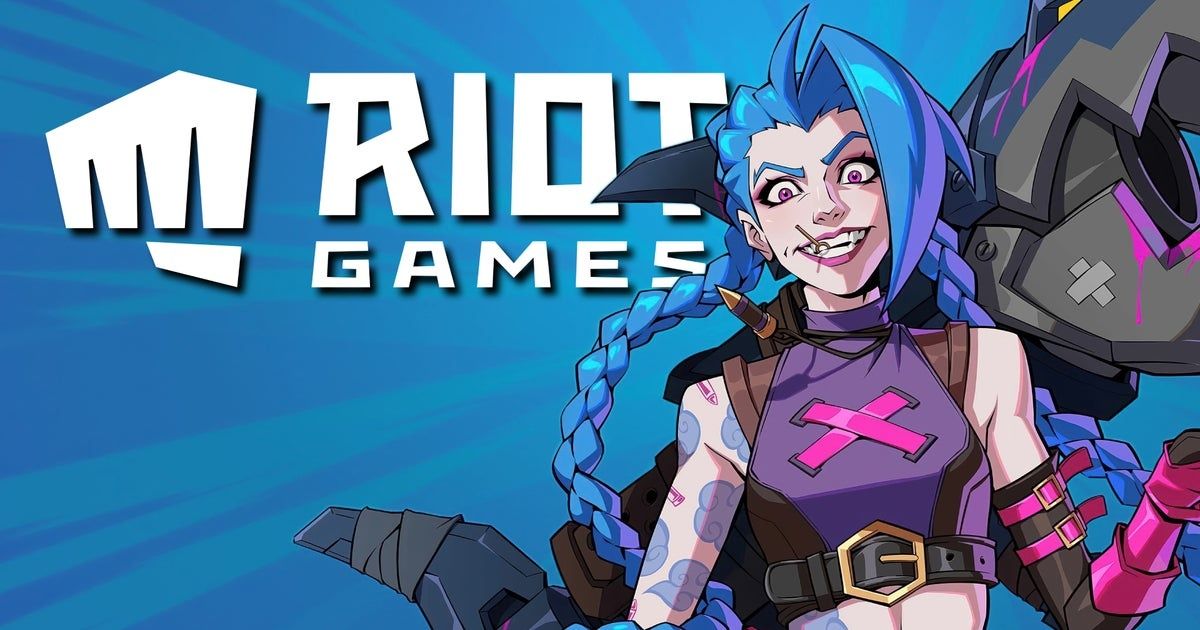
Riot Games, the developer behind global hits like League of Legends and Valorant, has laid off approximately half of the development team working on its upcoming fighting game, 2XKO. According to reporting by eurogamer.net, this drastic workforce reduction occurred less than 30 days before the game's planned launch, sending shockwaves through the studio and its player community. The news, confirmed by the publication on 2026-02-11T15:00:11+00:00, raises immediate questions about the game's final quality and the stability of its post-launch support.
The scale and timing of the cuts are particularly jarring. A development team typically expands in the final weeks before a major release, focusing on critical bug fixes, polish, and launch-day readiness. Severing half the team at this juncture suggests either severe internal turmoil or a last-minute strategic pivot with little regard for the project's human cost. For the employees affected, the layoffs represent a sudden end to their work on a highly anticipated title, creating significant professional and personal uncertainty.
The Broken Promise of 'Players First'
Riot's Corporate Actions Clash with Its Public Mantra
For years, Riot Games has cultivated a brand identity centered on a 'player-first' philosophy, emphasizing long-term support, community engagement, and high-quality live service. This recent action fundamentally contradicts that stated ethos. Dismissing such a large portion of a team weeks from launch inevitably compromises the developers' ability to deliver a polished, complete experience and casts serious doubt on the studio's commitment to its own projects and the people who build them.
This incident forces a re-examination of what 'player-first' truly means in a modern, corporate-driven games industry. If the team responsible for crafting and maintaining the experience is deemed disposable at a crucial moment, the promise to players feels hollow. The trust Riot has built over more than a decade with franchises like League of Legends is now under severe strain, as the community questions whether future titles will be subject to similar, destabilizing decisions behind the scenes.
Anatomy of a Pre-Launch Layoff
Dissecting the Potential Motivations and Immediate Fallout
While the exact internal financial or strategic rationale behind the cuts has not been publicly disclosed by Riot, several plausible scenarios exist based on common industry patterns. The studio may have been under pressure to reduce operational costs ahead of the launch, perhaps due to budget overruns or a corporate mandate to improve short-term profitability metrics. Alternatively, there could have been a significant last-minute change in the game's scope or post-launch roadmap, rendering a large part of the team redundant.
The immediate technical consequences are a primary concern. The final month of game development is dedicated to 'crunch'—intense periods of work aimed at squashing bugs, optimizing performance, and ensuring server stability. Removing half the workforce during this phase likely leaves critical tasks unfinished or overwhelms the remaining developers, increasing the risk of a broken or poorly received launch. This creates a vicious cycle where a troubled launch can then be used to justify further disinvestment in the project.
A Global Industry Pattern
Riot's Move Reflects Wider Volatility in Game Development
The 2XKO layoffs are not an isolated incident but part of a distressing global trend within the video game industry. Throughout 2024 and 2025, major publishers and independent studios alike announced thousands of job cuts, often following periods of record revenue. This pattern highlights a fundamental disconnect between corporate success and job security, where projects are greenlit, teams are expanded, and then contracts are severed based on shifting quarterly forecasts rather than creative or technical completion.
This volatility has a chilling effect on innovation and risk-taking. Developers may become hesitant to advocate for ambitious features or longer development cycles if they believe their employment is perpetually at risk, regardless of project health. The result can be a homogenization of games, as safe, formulaic sequels and live-service models are prioritized over original ideas that require stable, long-term teams to execute properly. The human cost—lost expertise, disrupted careers, and widespread anxiety—becomes an accepted byproduct of the business.
The Ripple Effect on 2XKO's Future
Post-Launch Support and Esports Ambitions in Jeopardy
For 2XKO specifically, the layoffs jeopardize more than just its day-one state. A fighting game's longevity is built on consistent post-launch support: balancing patches, new character releases, seasonal events, and community management. A skeleton crew may struggle to maintain this essential live-service cadence, potentially leading to slow updates, unresolved balance issues, and a frustrated player base that abandons the game. The long-term health of the title is now in question before it even reaches players.
Furthermore, Riot has historically invested heavily in the esports ecosystems for its games. Building a competitive scene for a fighting game requires dedicated resources for tournament organization, broadcaster support, and player development programs. The severe reduction in team size makes a robust, Riot-supported competitive circuit for 2XKO far less likely, limiting its potential to become a mainstay in the fighting game community (FGC) and esports landscape. The game's competitive future may be stillborn due to this corporate decision.
Consumer Trust as a Casualty
How Player Confidence Erodes Beyond a Single Game
The most significant long-term damage for Riot may be to its relationship with consumers. Players invest not just money, but time and emotional energy into games and their communities. When a studio demonstrates that a project and its developers are expendable assets, it teaches players to be wary of future investments. Why should a player commit to learning 2XKO's mechanics, purchasing its battle passes, or evangelizing it to friends if the developer's commitment appears so fragile?
This erosion of trust extends to Riot's entire portfolio. Players may now look at announcements for new projects—whether in the League of Legends universe or an original IP—with skepticism, wondering if those teams will face similar cuts before launch. Pre-orders and early adoption, crucial for a game's initial momentum, could decline as a direct result. In an era where player goodwill is a key currency, Riot has potentially devalued its own brand.
The Ethical Dilemma for Players
To Buy or To Boycott? Weighing Personal Enjoyment Against Principle
This situation presents a clear ethical dilemma for the gaming community. On one hand, the remaining developers on 2XKO have likely poured years of passion into the project, and their work deserves to be seen and judged on its own merits. A successful launch could help secure their positions. On the other hand, purchasing the game could be seen as endorsing Riot's decision to enact severe layoffs at a critical juncture, signaling that such practices do not affect sales.
There is no simple answer. Some players will choose to boycott the title entirely as a form of protest against the treatment of game developers. Others may wait for reviews and community feedback, separating the art from the corporate actions that birthed it. Many will be caught in the middle, wanting to support the individual creators but feeling uneasy about bolstering a parent company that executed such a disruptive move. This internal conflict is itself a damaging outcome for Riot.
Broader Implications for Game Preservation
When Teams Dissolve, Who Maintains the Digital World?
This incident underscores a growing, systemic risk in the games industry: the fragility of live-service titles when their development teams are disbanded. Unlike a finished, single-player game that exists on a cartridge or disc, a live-service game like 2XKO is a constantly evolving digital product. Its servers, balance, and content pipeline require active, knowledgeable maintenance. A decimated team may lack the capacity to fix critical bugs or security issues that emerge months or years after launch.
This raises serious questions about the long-term preservation of such games. If the institutional knowledge is lost through layoffs, the game could become unplayable or fundamentally broken in the future, effectively erasing it from cultural history. Players who have invested financially and emotionally see their purchased content vanish. This moves the issue beyond a single studio's labor practices into the realm of digital heritage and consumer rights, highlighting the need for more sustainable development and maintenance models.
Potential Paths Forward for Riot
Damage Control and Rebuilding Lost Trust
To mitigate the profound damage to its reputation, Riot Games would need to take extraordinary, transparent steps. A clear, detailed explanation to the community—not corporate platitudes—about why such drastic action was deemed necessary would be a start. More impactful would be concrete actions, such as offering significant severance and outplacement support to the affected developers, or publicly recommitting to the 2XKO project with a detailed, funded plan for post-launch content developed by a properly resourced team.
Longer term, Riot could lead the industry by adopting and publishing more humane and stable employment practices, such as guarantees against pre-launch layoffs or profit-sharing models that tie team security to a game's success. Without such visible reforms, the shadow of this decision will hang over every future Riot announcement. The studio must choose whether to treat this as a regrettable but isolated business necessity or as a watershed moment requiring a fundamental change in how it values its human capital.
A Call for Industry-Wide Accountability
Moving Beyond the Cycle of Hire-and-Fire
The 2XKO layoffs should serve as a catalyst for a broader conversation about sustainability in game development. While not all projects succeed, the current standard of mass hiring followed by mass layoffs is deeply destructive. It wastes talent, burns out developers, and results in inferior products for players. Alternative models exist, such as smaller, stable core teams that scale up cautiously with contract support, or publisher agreements that fund projects through to completion regardless of mid-stream corporate shifts.
Ultimately, change may require pressure from all sides: from developers unionizing to protect their jobs, from consumers voting with their wallets and voices, and from investors valuing long-term brand integrity over short-term cost-cutting. The story of 2XKO's development team is a stark case study in how not to shepherd a creative project to market. Whether it becomes a cautionary tale or a new industry norm depends on the reactions it provokes across the entire ecosystem of game creation and consumption.
Perspektif Pembaca
The situation with Riot and 2XKO presents a complex moment for anyone who cares about games. Where do you draw the line between supporting the work of individual developers and holding a powerful corporation accountable for its decisions?
We want to hear your perspective. Have experiences with other games or studios changed how you decide which titles to invest your time and money in? How do you weigh the quality of a game itself against the practices of the company that publishes it? Share your thoughts and experiences below.
#2XKO #RiotGames #GamingNews #GameDevelopment #Layoffs


