

The Chilling Legacy of Snow Buddies: Animal Welfare Shadows in Family Film Production

📷 Image source: slashfilm.com
A Franchise Built on a Golden Retriever's Smile
From Air Bud to a Pack of Pups
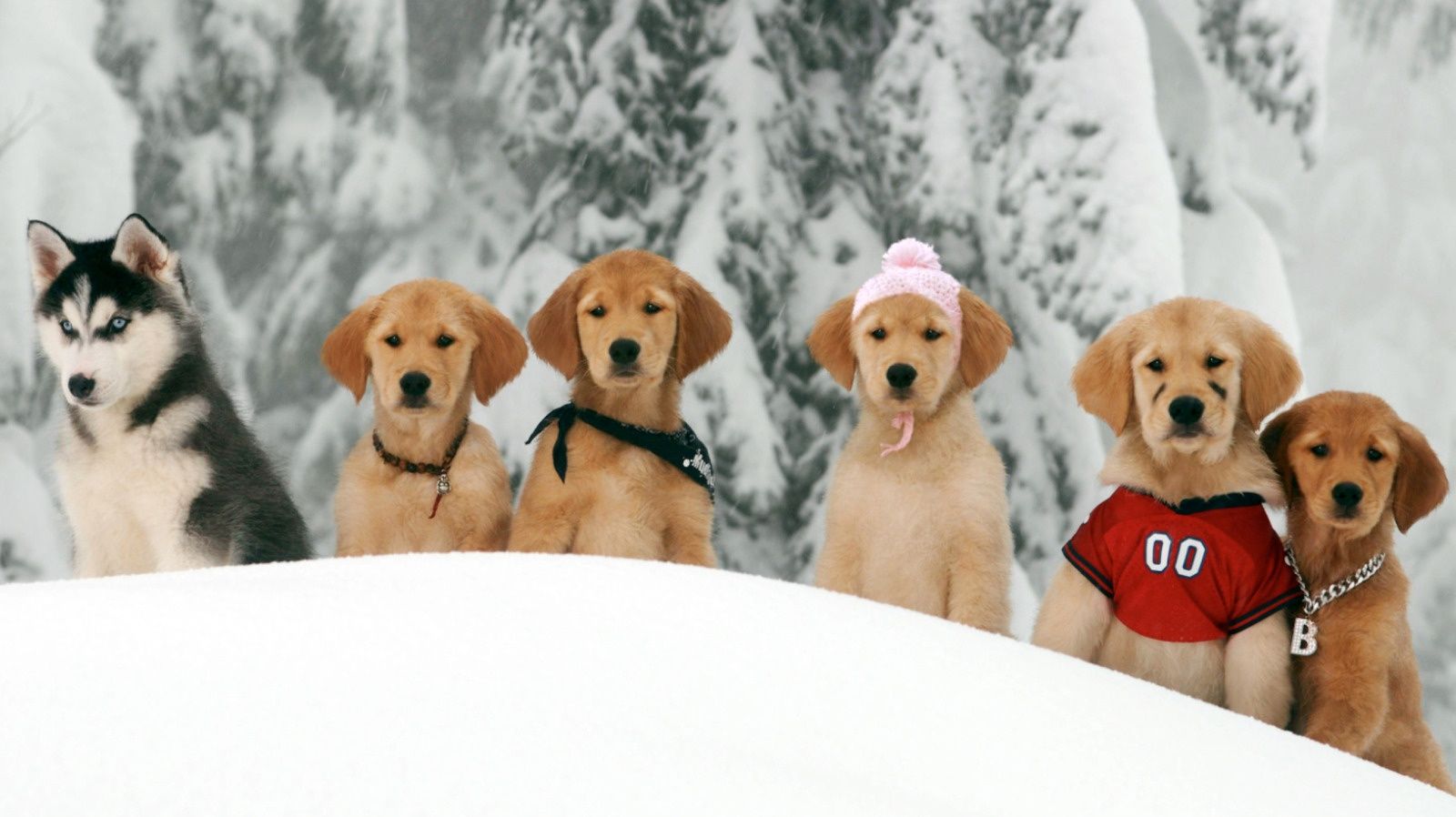
The 'Air Bud' franchise, launched in 1997, became a staple of family entertainment with its simple premise: a dog with an uncanny talent for basketball. Its success spawned numerous direct-to-video sequels and spin-offs, including the 2008 film 'Snow Buddies.' This installment followed a litter of adorable golden retriever puppies on a snowy adventure in Alaska.
Produced by Disney and released under the Disney DVD label, the film was marketed as wholesome, heartwarming content for children. The puppies' antics against a backdrop of snow-covered landscapes were designed to elicit joy, continuing the franchise's tradition of lighthearted, animal-centric stories. The behind-the-scenes reality, however, would later emerge as a stark and troubling contrast to this on-screen innocence.
The Disturbing Allegations Surface
A Whistleblower's Account from the Set
According to a detailed report from slashfilm.com, published on February 2, 2026, the production of 'Snow Buddies' was marred by serious allegations of animal mistreatment. The primary source for these claims is a former animal trainer who worked on the film. The trainer's account, as reported, paints a picture of a chaotic and negligent set where the welfare of the young canine actors was compromised.
The allegations are specific and distressing. They include claims that the puppy actors were deprived of adequate water, kept in unclean conditions, and exposed to extreme weather without proper protection. Furthermore, the report suggests that the production prioritized filming schedules and budgetary concerns over the basic needs and safety of the animals, creating an environment where oversight was lacking and preventable suffering occurred.
A Timeline of Neglect: From Training to Filming
The Sequential Breakdown of Welfare Standards
Examining the allegations through a timeline framework reveals a pattern of concerning decisions. The issues reportedly began during the pre-production and training phase, where the very young puppies were allegedly subjected to intensive training sessions to perform specific tricks and actions on cue. The pressure to deliver performances from immature animals set a problematic tone.
During principal photography in the cold environment, the situation allegedly worsened. The slashfilm.com report cites the whistleblower stating that puppies were made to perform in snow and freezing temperatures for extended periods. Perhaps most shockingly, the account alleges that a puppy died during production, with the incident being covered up and the production continuing without pause. The exact cause and circumstances of the death, as reported, remain a central point of horror in the narrative.
The Industry's Regulatory Gray Area
How Animal Actors Fall Through the Cracks
The 'Snow Buddies' story exposes significant gaps in the oversight of animal actors in film and television. In the United States and Canada, the primary on-set monitoring is provided by the American Humane Association's (AHA) Film & TV Unit, which awards the familiar 'No Animals Were Harmed' disclaimer. However, their presence is not mandated by law but is typically a requirement from the studios themselves.
The system relies heavily on the AHA representative's access and diligence. Allegations from sets like 'Snow Buddies' suggest that representatives can be misled, kept away from certain areas, or that their guidelines can be circumvented. Furthermore, direct-to-video productions, which often have tighter budgets and faster schedules than theatrical releases, may face less scrutiny, creating an environment where standards can more easily slip.
Historical Context: A Pattern in Family Entertainment
This Is Not an Isolated Incident
Tragic stories involving animal actors are, unfortunately, a dark thread in Hollywood history. The infamous case of a horse being deliberately killed during the filming of the 1925 movie 'The Charge of the Light Brigade' led to public outrage and was a catalyst for the formation of the AHA's monitoring role. More recently, the HBO series 'Luck' was canceled after three horses died during production.
What makes the 'Snow Buddies' allegations particularly resonant is the genre. The dissonance between the cheerful, family-friendly product and the alleged behind-the-scenes suffering creates a profound sense of betrayal. It forces audiences to question the integrity of an entire category of entertainment marketed specifically for its innocence and wholesomeness, revealing a potential systemic willingness to exploit the vulnerability of animals for content.
The Anatomy of a Cover-Up
Alleged Mechanisms of Secrecy
The slashfilm.com report details not just alleged mistreatment, but also alleged efforts to conceal it. According to the source, the production team created a culture of silence. Crew members who expressed concern were reportedly dismissed or ignored, creating a chilling effect that prevented internal reporting.
In the specific allegation of a puppy's death, the account claims the incident was treated as a minor logistical issue. The puppy was allegedly replaced with a lookalike, and filming continued with no official report or investigation. This alleged act of substitution is presented as the ultimate symbol of the production's prioritization of product over life, treating a living creature as a disposable prop to maintain schedule and avoid negative publicity.
The Aftermath and Official Silence
A Legacy of Unanswered Questions
In the years following the film's release, the allegations simmered within industry circles before being publicly reported. The response from the entities involved has been characterized by a lack of transparency. Disney, the distributor, has not publicly addressed the specific allegations from the 'Snow Buddies' set as reported by slashfilm.com. The production company, Keystone Entertainment, also appears not to have issued a detailed rebuttal.
The American Humane Association's records for the film are a point of contention. The organization reportedly granted the 'No Animals Were Harmed' certification for 'Snow Buddies.' This official stamp stands in direct contradiction to the whistleblower's account, raising critical questions about the efficacy of the monitoring process on this production and where the breakdown in oversight truly occurred.
Global Perspectives on Animal Welfare in Film
How Other Nations Handle On-Set Protections
The United States' largely self-regulated system contrasts with stricter regimes elsewhere. In the United Kingdom, for example, the Animals (Scientific Procedures) Act and the involvement of organizations like the Royal Society for the Prevention of Cruelty to Animals (RSPCA) provide a more legally grounded framework for animal welfare on sets, with potential for criminal prosecution for violations.
Some European countries mandate that animal handlers must be licensed and that scripts involving animals must be pre-approved by veterinary authorities. This proactive, regulatory approach shifts the burden from voluntary compliance to legal obligation. The 'Snow Buddies' case becomes a study in what can happen in a system where enforcement relies heavily on studio goodwill and the ability of a single on-set monitor to witness every interaction.
The Rise of Ethical Alternatives: CGI and Animatronics
Technology as a Path Forward
In the wake of such controversies, the film industry has increasingly turned to technological solutions to eliminate risk to animals entirely. Computer-generated imagery (CGI) has advanced to the point where realistic animals can be created digitally, as seen in films like 'The Lion King' (2019) and 'The Jungle Book' (2016). This allows for complete directorial control without any welfare concerns.
Similarly, sophisticated animatronics and puppetry, often enhanced with CGI, can create convincing animal performances. These methods represent an ethical evolution, prioritizing safety and eliminating the inherent stress of placing animals in unfamiliar, loud, and chaotic filming environments. They represent the most direct answer to preventing another 'Snow Buddies' scenario, though they come with higher costs that some productions may still be reluctant to bear.
Weighing the Impact: Art vs. Welfare
A Persistent Ethical Dilemma
The core dilemma exposed by this story is the conflict between artistic vision, commercial pressure, and ethical responsibility. Proponents of using live animals argue for an authenticity and emotional connection that technology cannot yet fully replicate. They point to well-run sets with exemplary standards as proof that it can be done right.
The counter-argument, powerfully underscored by the 'Snow Buddies' allegations, is that the potential for abuse is too great, the oversight too fragile, and the stakes—the life and well-being of a sentient creature—are incomparably high. When the product is a children's film, the ethical imperative is arguably even stronger, as the audience is being taught, even implicitly, about kindness and compassion through a medium that may have involved its opposite in creation.
Perspektif Pembaca
The story of 'Snow Buddies' forces a difficult reckoning with how we consume media. Where do you draw the line between separating art from the artist, or in this case, the product from its production?
Do you believe the use of live animal actors in film and television can ever be ethically justified given the availability of alternatives like CGI, or should the industry move towards a complete ban on using animals for entertainment purposes?
#AnimalWelfare #FilmProduction #SnowBuddies #Disney #BehindTheScenes


