

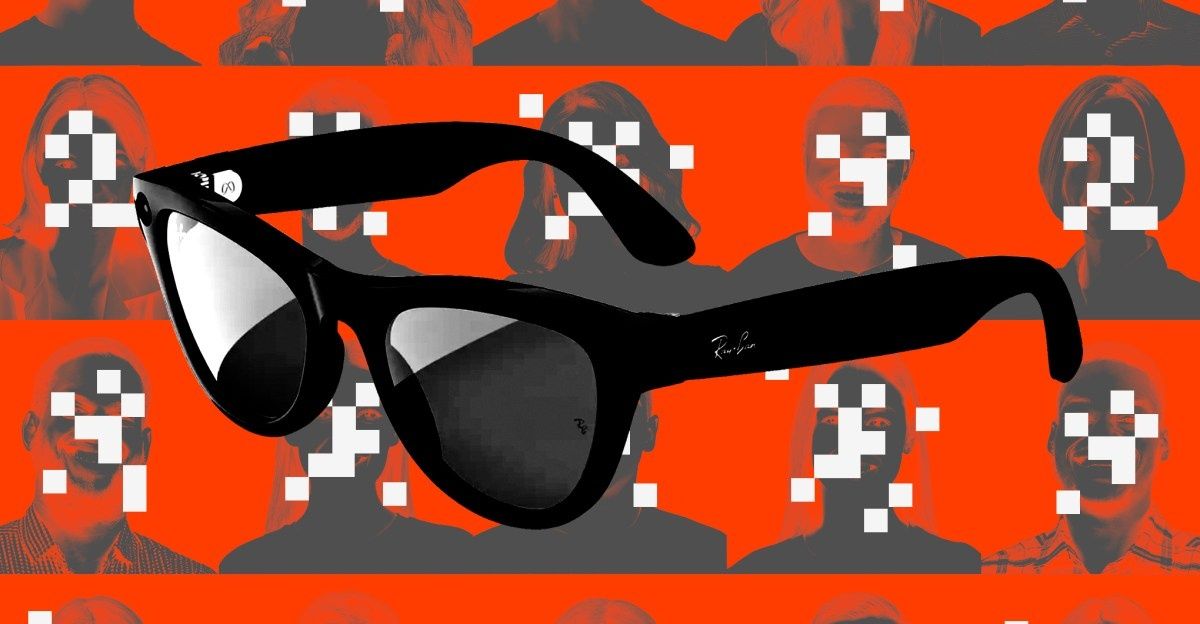
Meta's Smart Glasses Raise Alarms as ICE Agents Use Them to Identify Immigrants

📷 Image source: platform.theverge.com
A Product Launch Unchecked by Ethics
Meta's Ray-Ban collaboration becomes a tool for federal immigration enforcement
In a move that has ignited a fierce debate over corporate responsibility and surveillance, Meta's Ray-Ban smart glasses are being actively used by US Immigration and Customs Enforcement (ICE) agents to identify potential undocumented immigrants. According to a report from theverge.com, internal documents and sources reveal that ICE has purchased at least 20 pairs of the glasses, which feature a built-in camera and AI assistant, for field operations.
The revelation starkly contradicts public assurances from Meta executives, including CEO Mark Zuckerberg, who previously framed the device as a tool for creators and everyday users. The company's apparent willingness to sell this technology to a controversial federal agency, known for its aggressive enforcement tactics, suggests a product strategy where market expansion trumps ethical considerations. How did a consumer gadget, marketed for capturing memories and asking about the weather, become part of a federal identification and tracking apparatus?
How the Technology is Deployed in the Field
From casual snapshots to real-time biometric checks
The operational use of the glasses is disturbingly straightforward. ICE agents wear the glasses, which look like ordinary Ray-Bans, allowing them to discreetly capture photos or video of individuals. These images can then be run through facial recognition databases or other identification systems. A source familiar with the program described the process to theverge.com: agents can use the glasses to snap a picture and then, via the built-in AI, ask questions like, "Who is this?" The system then queries available databases.
This hands-free, real-time capability transforms everyday surveillance. An agent can have a conversation while simultaneously gathering biometric data without the subject's knowledge or consent. The technology effectively enables a form of 'doxxing' in the physical world, pulling a person's identity and potentially sensitive records into view based solely on a surreptitious glance. The report states the glasses have been used in multiple field operations, though the exact number of identifications or arrests facilitated remains unclear.
The Chasm Between Corporate Promise and Practice
Meta's public stance clashes with its sales decisions
Meta's engagement with ICE exposes a significant gap between its public-facing policies and its behind-the-scenes business dealings. The company has published "Responsible Innovation Principles" and states it carefully reviews government use of its products. Furthermore, its terms of service for the Meta View app, which pairs with the glasses, prohibit law enforcement from using it to "identify individuals or groups."
Yet, according to theverge.com, Meta proceeded with the sale. The company did not respond to specific questions about whether it conducted a human rights assessment before selling to ICE, an agency repeatedly criticized by advocates for its detention practices and enforcement operations. This inaction speaks volumes. It appears Meta's review process either failed to flag the obvious misuse potential or, more troublingly, deemed it an acceptable risk for commerce.
ICE's Long-Standing Embrace of Surveillance Tech
A pattern of expanding digital enforcement tools
For ICE, the Meta glasses are not an anomaly but the latest addition to an extensive surveillance arsenal. The agency has a documented history of utilizing vast data broker networks, license plate readers, and advanced biometrics. Acquiring consumer-grade smart glasses represents a new frontier: technology that is affordable, inconspicuous, and powered by some of the world's most sophisticated AI.
This move lowers the barrier to high-tech surveillance, enabling more agents to conduct operations with enhanced capabilities. Privacy experts warn that normalizing such tools in immigration enforcement sets a dangerous precedent. It creates a system where anyone, during routine encounters in public or private spaces, could be subjected to an instant, invisible identity check by an authority figure with the power to detain and deport.
The Legal and Privacy Minefield
Questionable footing in a landscape of weak protections
The legal framework governing this use is shaky at best. In the United States, there is no comprehensive federal law regulating facial recognition technology. While some states have enacted restrictions, federal agencies like ICE often operate under different rules. The use of glasses adds a layer of complexity regarding consent and notice. Is someone being recorded? Do they have a reasonable expectation of privacy in a public space?
According to the report, the technology's use may violate Meta's own terms, but enforcement is unclear. More fundamentally, it tests societal boundaries. Is it acceptable for government agents to wear always-ready cameras that feed into identification databases during consensual encounters or community visits? The lack of clear legal guardrails allows companies and agencies to operate in a grey area, with privacy and civil liberties paying the price.
The Global Ripple Effect of a US Sale
Exporting a blueprint for high-tech repression
The implications of this partnership extend far beyond US borders. Meta is a global company, and ICE's adoption of its technology provides a powerful case study for other governments. Authoritarian regimes and security services worldwide watching this deployment may see a ready-made blueprint for identifying dissidents, tracking minorities, or monitoring protests using commercially available gear.
This creates an immense reputational and ethical hazard for Meta. By selling to ICE, the company effectively endorses a specific, contentious use case. It signals to other potential government buyers that the glasses are fit for purpose as surveillance tools, potentially opening the floodgates for sales to entities with even poorer human rights records. The decision made for one contract in Washington, D.C., could normalize a form of surveillance that proliferates globally.
A Failure of Responsible Innovation
When product teams ignore the obvious downstream harms
The core failure highlighted by this episode is one of foresight and responsibility. The potential for misuse of camera-equipped smart glasses by law enforcement or malicious actors was not a hidden, unforeseeable risk—it was one of the most glaring concerns from the moment such products were conceived. Meta's own principles pledge to "consider everyone" who might be affected by their technology.
Yet, when presented with a purchase order from a major federal enforcement agency, that consideration seemingly evaporated. The report from theverge.com indicates no substantive barriers were erected. This suggests that Meta's "responsible innovation" framework is either not applied to business-to-government sales or lacks the teeth to stop a lucrative deal. It raises a damning question: are these principles a guiding ethos or just a public relations document?
The Path Forward: Accountability or Empty Gestures?
In the wake of this reporting, pressure is mounting on Meta to explain its actions and change course. Civil society groups and lawmakers are demanding answers. The company could, as a start, publicly commit to banning sales of its consumer wearable devices to law enforcement and immigration agencies globally. It could audit existing sales and terminate contracts that violate its terms.
However, based on its current trajectory, there is little indication Meta will voluntarily impose such restrictions. The sale to ICE demonstrates a clear prioritization of market access and product adoption over human rights due diligence. Without external pressure—from regulators, shareholders, or users—the glasses will remain on the faces of ICE agents, and the line between a consumer gadget and a state surveillance tool will continue to blur. The story, as reported by theverge.com on 2026-03-01T13:00:00+00:00, is a stark lesson in what happens when technology is developed and sold without moral guardrails firmly in place.
#Meta #Surveillance #ICE #SmartGlasses #Privacy


